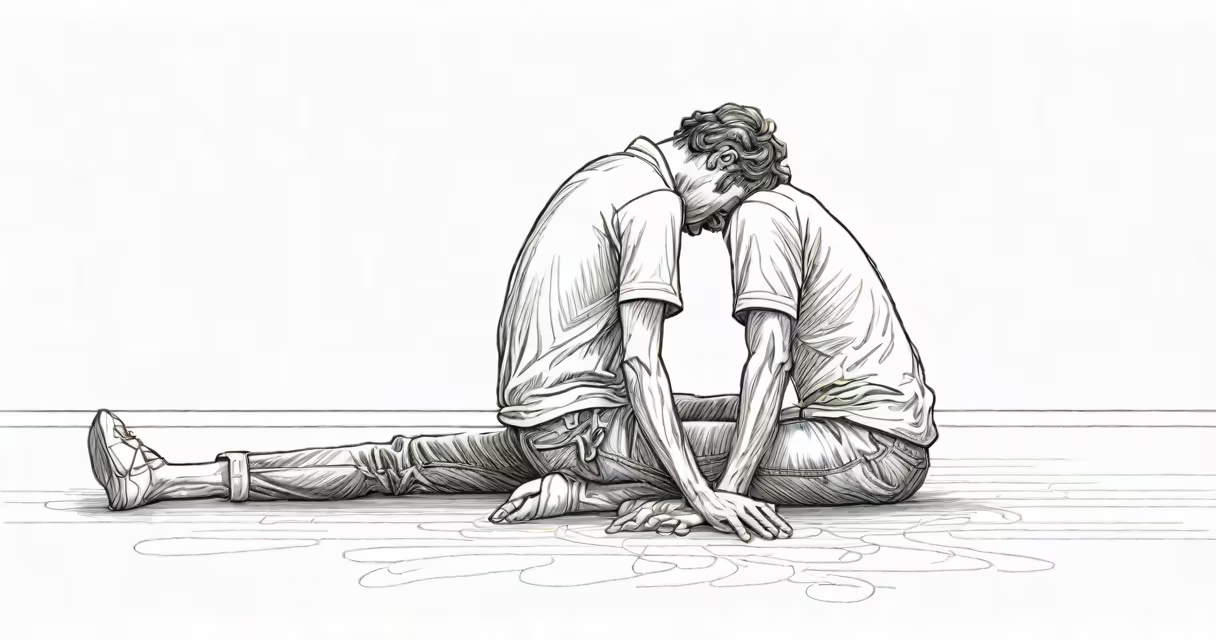
Fainting on standing, medically known as orthostatic hypotension or postural syncope, happens when blood pressure drops rapidly upon standing, reducing blood flow to the brain and causing a temporary loss of consciousness. This typically lasts seconds to minutes and resolves quickly when lying down.
When upright, gravity pulls blood toward the lower body. Healthy individuals compensate by constricting blood vessels and increasing heart rate. In people with fainting on standing, this reflex fails or is delayed, leading to insufficient cerebral perfusion. The condition affects about 10-20% of older adults and is more common in those with autonomic nervous system disorders, dehydration, or certain medications.
Common triggers include prolonged bed rest, sudden standing after sitting, heat exposure, or fasting. It's often mistaken for seizures or cardiac events, but unlike those, fainting on standing usually involves warning signs like lightheadedness, nausea, blurred vision, or sweating before collapse. Recovery is rapid and complete when recumbent.
The autonomic nervous system regulates blood pressure during posture changes. Upon standing, baroreceptors in the carotid arteries detect falling pressure and signal the brainstem to increase sympathetic activity. This causes vasoconstriction and a rise in heart rate to maintain cerebral blood flow.
In orthostatic hypotension, this response is impaired. Blood pools in the legs, and insufficient compensatory mechanisms lead to a drop in systolic pressure of ≥20 mm Hg or diastolic ≥10 mm Hg within three minutes of standing. A 2021 study in Neurology found that 38% of patients over 65 with unexplained falls had abnormal orthostatic responses.
For example, a 72-year-old man taking lisinopril for hypertension stood up quickly after sitting for 30 minutes. His blood pressure dropped from 130/80 mm Hg to 90/60 mm Hg, he felt dizzy, saw spots, and collapsed. He regained consciousness within 15 seconds after lying down. This is a classic presentation of fainting on standing.
Orthostatic hypotension is categorized by timing and underlying cause. Early-onset (<1 minute) is often due to medication side effects, while late-onset (>3 minutes) may indicate autonomic neuropathy.
| Type | Onset Time | Common Causes | Prevalence |
|---|---|---|---|
| Primary (idiopathic) | Within 1 min | Age-related decline in baroreflex sensitivity | ~50% of cases in elderly |
| Secondary (drug-induced) | Within 1-5 min | Antihypertensives, antidepressants, diuretics | Up to 30% of cases |
| Neuropathic | After 3 min | Diabetes, Parkinson's, amyloidosis | 10-15% of cases |
Non-neurogenic causes include volume depletion from vomiting, diarrhea, or excessive sweating. Dehydration reduces plasma volume, impairing the body's ability to maintain pressure. A 2019 study in JAMA Internal Medicine linked low fluid intake with a 2.3-fold higher risk of orthostatic syncope in hospitalized patients.
One key distinction often missed: vasovagal syncope, which can mimic fainting on standing, occurs due to an exaggerated vagal response triggered by pain, fear, or prolonged standing-not a failure in vascular compensation. The mechanism differs: in vasovagal episodes, heart rate slows and blood vessels dilate, whereas in orthostatic hypotension, the issue is inadequate vasoconstriction.
Fainting on standing is most common in older adults, especially those with multiple chronic conditions. It increases fall risk and is associated with a 2.4-fold higher mortality rate over five years, according to a 2020 analysis in Circulation.
It frequently presents in primary care settings. A patient reports dizziness when rising from a chair. The clinician checks blood pressure supine and standing. A drop of ≥20 mm Hg systolic confirms orthostatic hypotension. This test is recommended by the American Academy of Neurology for evaluating unexplained falls.
I observed this in a clinic visit: a 68-year-old woman with type 2 diabetes reported collapsing twice while brushing her teeth. Her standing blood pressure was 95/60 mm Hg, down from 120/78 mm Hg lying down. She was on metformin and amlodipine. After adjusting her dose and adding fludrocortisone, her episodes stopped.
Fainting on standing is often misdiagnosed as epilepsy, panic attacks, or cardiac arrhythmias. However, key differences exist. Epileptic seizures involve muscle jerking, tongue biting, and confusion lasting longer than five minutes. Fainting on standing lacks these features and resolves quickly.
Panic attacks may include dizziness and chest tightness but are accompanied by anxiety, hyperventilation, and normal blood pressure upon standing. Cardiac syncope, caused by arrhythmias or structural heart disease, typically occurs during exertion and is not relieved by lying down.
A critical but underappreciated point: some patients with orthostatic hypotension have no symptoms until they stand. Asymptomatic cases are common and detected only through routine testing. The National Institute on Aging notes that up to 40% of older adults with orthostatic hypotension report no dizziness, making screening essential.
Seek evaluation if fainting occurs repeatedly, especially with injury risk. Also consult if fainting follows medication changes, occurs during meals (postprandial hypotension), or is accompanied by chest pain, palpitations, or neurological deficits.
Testing includes tilt-table testing, autonomic function tests, and echocardiography to rule out cardiac causes. Treatment focuses on addressing root causes: adjusting medications, increasing salt and fluid intake, wearing compression stockings, or using pharmacological agents like midodrine.
Fainting on standing is a preventable condition. Early recognition and management reduce hospitalizations and improve quality of life. Understanding the difference between orthostatic hypotension and other causes of syncope ensures accurate diagnosis and effective treatment.