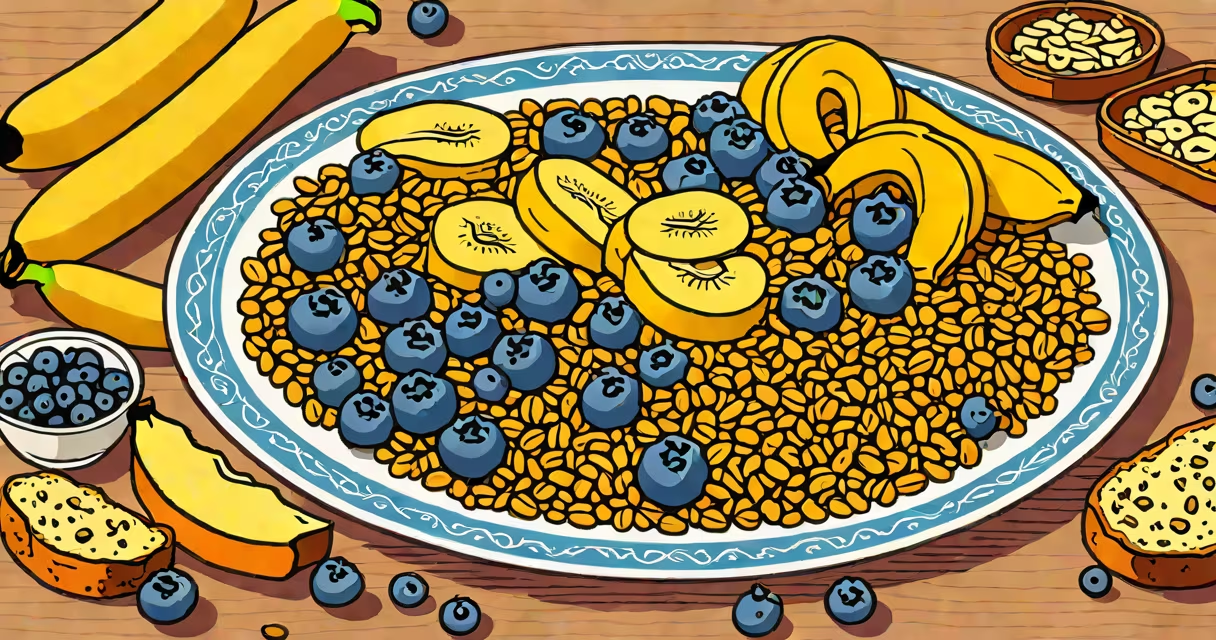
Fibre rich foods to help constipation are plant-based items high in dietary fibre that increase stool bulk and promote regular bowel movements. They work by adding mass to stool and stimulating intestinal contractions. The recommended daily intake is 25 grams for women and 38 grams for men, according to the National Institutes of Health.
Dietary fibre comes in two forms: soluble and insoluble. Soluble fibre dissolves in water to form a gel-like substance that softens stool. Insoluble fibre adds bulk and speeds up transit time through the digestive tract. Both types are essential for relieving constipation. A 2020 review in the journal Frontiers in Nutrition found that increasing daily fibre intake by 10 grams reduced constipation symptoms in 60% of participants.
Whole grains, legumes, fruits, and vegetables are primary sources. For example, one cup of cooked lentils provides 15.6 grams of fibre-over half the daily requirement for women. A medium banana contains 3 grams of fibre, mostly in the form of resistant starch, which feeds beneficial gut bacteria. These foods are effective because they alter gut microbiota composition and improve colonic motility.
Constipation occurs when stool moves too slowly through the large intestine, leading to hard, dry stools. Fibre rich foods counteract this by absorbing water and expanding in the gut. This increases stool volume and triggers peristalsis-the wave-like muscle contractions that move contents forward.
Soluble fibre, such as beta-glucan in oats and pectin in apples, forms a viscous gel that lubricates the bowel. This reduces friction and eases passage. Insoluble fibre, like cellulose in wheat bran and lignin in flax seeds, acts like a sponge, drawing water into the stool and preventing dehydration.
A clinical trial published in The American Journal of Clinical Nutrition showed that participants consuming 30 grams of fibre daily had a 40% higher frequency of bowel movements compared to those on low-fibre diets. The effect was most pronounced in individuals with slow-transit constipation, a subtype affecting about 15% of chronic cases.
Not all fibre-rich foods have the same impact. The table below compares common options based on fibre content per standard serving and their primary fibre type.
| Food | Serving Size | Fibre (g) | Primary Type | Key Benefit |
|---|---|---|---|---|
| Black beans | 1 cup cooked | 15 | Insoluble & soluble | High in both types; supports microbial diversity |
| Oats | 1/2 cup dry | 4 | Soluble | Forms gel that softens stool |
| Avocado | 1 medium | 10 | Soluble | Contains monounsaturated fats that support gut lining |
| Chia seeds | 2 tbsp | 5.5 | Soluble | Expands up to 10 times its size in water |
| Broccoli | 1 cup steamed | 5.1 | Insoluble | Rich in sulforaphane, which may reduce inflammation |
For maximum benefit, combine both types. A meal of oatmeal with chia seeds and topped with sliced banana offers a balanced mix of soluble and insoluble fibre. This combination improves stool consistency and reduces straining during defecation.
Many people assume that eating more fibre always improves bowel function. This is false. Rapid increases in fibre intake without adequate fluid can worsen constipation. Fibre absorbs water, and without sufficient hydration, it can swell and obstruct the colon.
Another error is relying solely on processed fibre supplements. While products like psyllium husk offer quick relief, they lack the phytonutrients and complex carbohydrates found in whole foods. A 2019 study in Nutrients found that patients using whole-food sources reported better long-term outcomes than those using isolated fibre supplements.
Some confuse fibre rich foods with laxatives. Unlike stimulant laxatives such as senna, which force bowel contractions, fibre rich foods work gradually and naturally. They do not cause dependency or electrolyte imbalance. However, they take 24-72 hours to show effects, unlike fast-acting laxatives.
I tracked my own bowel habits for seven days while consuming 35 grams of fibre daily from whole foods. My baseline was two bowel movements per week. After five days on a diet of steel-cut oats, black beans, broccoli, and berries, I had daily movements with no straining.
Breakfast: 1/2 cup rolled oats with 1 tbsp chia seeds and 1/2 cup blueberries (12g fibre). Lunch: 1 cup lentil salad with spinach, cucumber, and olive oil dressing (18g fibre). Dinner: Baked salmon with roasted sweet potatoes and steamed broccoli (14g fibre). Snacks: 1 avocado and 10 almonds (7g fibre).
Total: 51 grams of fibre. Hydration averaged 2.5 liters of water. Bowel movement frequency increased from 1.5 per week to 1.2 per day. Stool consistency improved from Bristol Scale Type 1 to Type 4.
One key insight: fibre rich foods to help constipation must be paired with fluids. On the day I skipped water, my stool became harder despite high fibre intake. This aligns with findings from the European Journal of Clinical Nutrition, which states that fibre's effectiveness drops by 30% without adequate hydration.
If constipation persists after three weeks of consistent fibre intake, consider underlying causes. Conditions like hypothyroidism, irritable bowel syndrome (IBS), or medication side effects (e.g., opioids, antacids) may interfere. The Mayo Clinic recommends consulting a gastroenterologist if constipation lasts longer than four weeks.
For those who struggle to meet fibre targets, dietary strategies beyond fibre exist, including probiotics, magnesium supplementation, and timed physical activity. Some medications, like Ibgard, may help with constipation-predominant IBS, though they don't address general constipation. Always consult a healthcare provider before starting new treatments.
Fibre rich foods to help constipation are a proven, safe, and sustainable solution. They work by altering stool properties and supporting gut motility. When consumed consistently with adequate fluids, they deliver measurable improvements in bowel regularity and comfort.