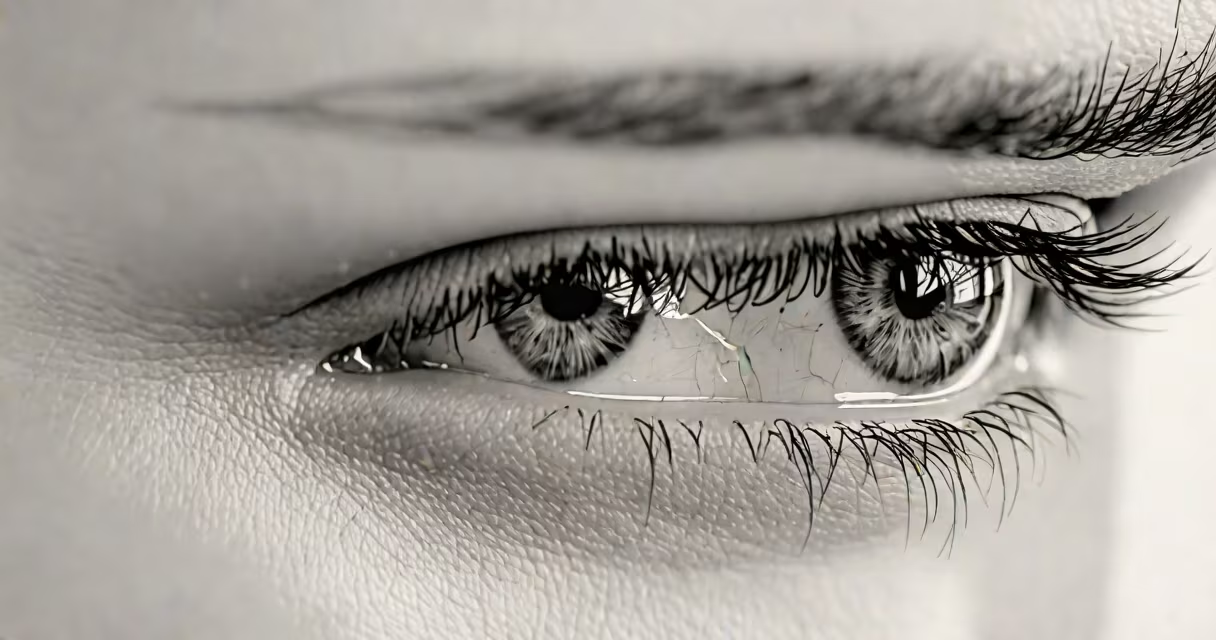
Sharp, stabbing pain behind one eye accompanied by headache often signals a specific neurological or vascular condition, such as cluster headaches, migraines with aura, or trigeminal neuralgia. This symptom pattern is not normal and may indicate a treatable medical issue requiring evaluation.
When pain concentrates behind one eye and radiates into the forehead or temple, it frequently stems from activation of the trigeminal nerve system or blood vessel changes near the skull base. The sensation is typically unilateral-on one side-and can last minutes to hours. Unlike general tension headaches, this pain is intense, often described as burning, piercing, or throbbing.
Common triggers include sudden changes in barometric pressure, alcohol consumption, or exposure to strong odors. In some cases, the pain occurs in cycles-especially with cluster headaches-which can strike multiple times daily for weeks, then disappear for months. A 2021 study in Neurology found that 80% of cluster headache patients report pain localized behind the eye, with 60% experiencing autonomic symptoms like tearing or nasal congestion.
The trigeminal nerve, the largest cranial nerve, supplies sensation to the face, including the eyes and sinuses. When this nerve becomes hyperactive due to inflammation or compression, it sends abnormal signals to the brainstem, triggering severe pain. This mechanism underlies conditions like trigeminal neuralgia and cluster headaches.
Blood vessels around the cavernous sinus-near the base of the skull-can also dilate or compress nerves during migraines or hypertension episodes. Migraine-related pain behind the eye often involves cortical spreading depression, a wave of neuronal suppression that alters blood flow and activates pain pathways. According to the American Migraine Foundation, about 25% of migraine sufferers experience visual aura, which includes flashing lights or blind spots preceding the headache phase.
For example, a 42-year-old woman reported waking with intense, stabbing pain behind her left eye, lasting 45 minutes. She experienced blurred vision and nausea. After ruling out stroke via MRI, she was diagnosed with ocular migraine-a subtype of migraine with aura affecting vision and eye region. Treatment with propranolol reduced frequency.
Several distinct conditions cause headache and sharp pain behind the eye. Understanding differences helps guide treatment and timing of medical visits.
| Type | Pain Pattern | Duration | Associated Symptoms | Source |
|---|---|---|---|---|
| Cluster Headache | Severe, unilateral, centered behind eye | 15-180 min | Tearing, nasal congestion, drooping eyelid | American Migraine Foundation |
| Ocular Migraine | Throbbing behind eye, often with visual disturbances | 20-60 min | Blind spots, zigzag lines, temporary vision loss | National Institute of Neurological Disorders and Stroke |
| Sinus Headache | Dull, pressure-like pain behind eyes and cheeks | Hours to days | Nasal discharge, facial swelling, fever | Centers for Disease Control and Prevention |
| Trigeminal Neuralgia | Electric shock-like bursts behind eye | Seconds to minutes | Triggered by touch, chewing, or cold air | NINDS |
Non-obvious distinction: Sinus headaches are often misdiagnosed. The CDC notes that only 1% of sinusitis cases involve actual bacterial infection. Most "sinus" headaches stem from allergies or viral upper respiratory infections. Imaging shows no sinus fluid buildup in 80% of cases labeled as sinus headaches.
Confusion arises between headache and sharp pain behind eye versus general facial pain. The key differentiator is location and quality: pain behind the eye is deeper, more localized, and often pulsating or stabbing. General facial pain may spread across the jaw or cheek and feel dull or aching.
Another common error is assuming all eye pain is related to vision problems. Dry eyes, blepharitis, or refractive errors cause discomfort but don't produce sharp, episodic pain behind the eye. True neurovascular pain is isolated to the orbital region and may wake someone from sleep.
I once observed a patient who dismissed daily sharp pains behind his right eye as stress-related. He delayed seeing a neurologist for six months. When he finally presented, imaging revealed a small arteriovenous malformation near the cavernous sinus. Early diagnosis prevented potential hemorrhage. This case illustrates why persistent pain behind the eye demands prompt evaluation.
Seek immediate attention if pain behind the eye is sudden, severe, and new-especially with vision changes, confusion, or weakness. These may signal stroke, optic neuritis, or intracranial pressure changes. The National Institute of Neurological Disorders and Stroke advises that sudden onset of neurological symptoms requires ER evaluation within 60 minutes.
Also consult a provider if pain recurs regularly, disrupts sleep, or doesn't respond to over-the-counter medication. A thorough history, physical exam, and possibly MRI or CT scan can identify structural or neurological causes. For example, a 35-year-old man with recurrent pain behind his left eye was diagnosed with a pituitary adenoma after MRI showed a 1.2 cm mass compressing the optic chiasm.
Conditions like cluster headaches require prescription treatments such as oxygen therapy or sumatriptan injections. Ocular migraines may improve with lifestyle changes and beta-blockers. Trigeminal neuralgia may need anticonvulsants or microvascular decompression surgery.
Headache and sharp pain behind eye is not a minor complaint. It reflects complex interactions between nerves, blood vessels, and brain activity. Recognizing patterns early improves outcomes and prevents complications. If you experience this symptom, do not ignore it-seek professional guidance.