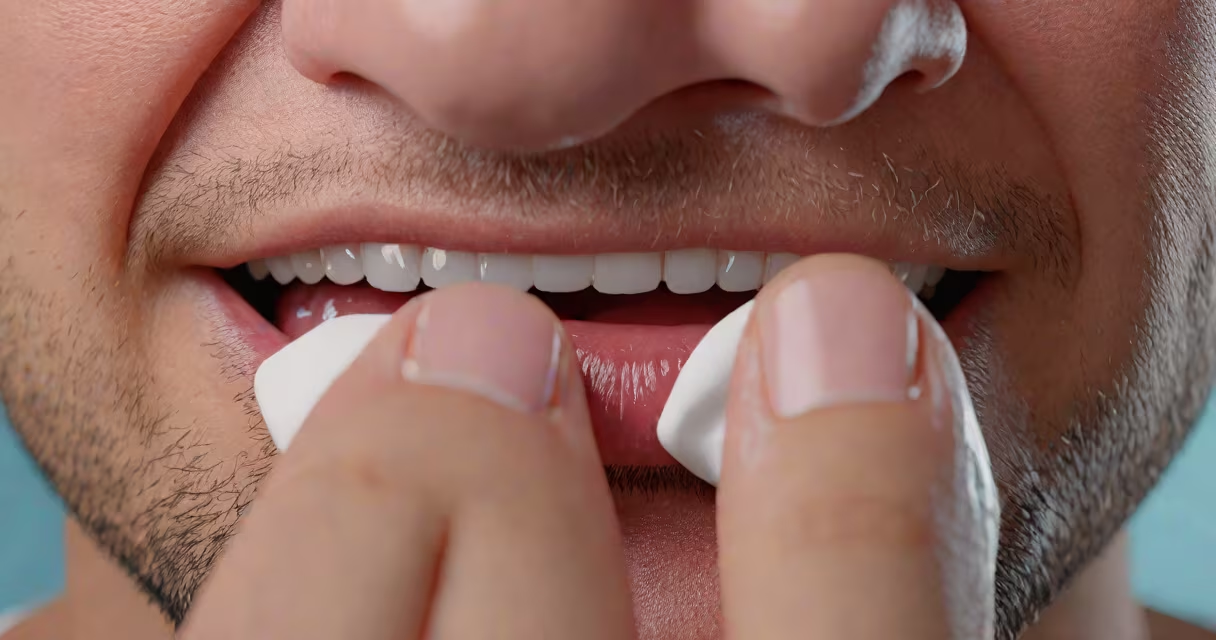
Gum pain stems from inflammation, infection, or injury to the tissues surrounding your teeth. Immediate relief involves reducing swelling, numbing nerve signals, and addressing the root cause - often through cold therapy, saltwater rinses, over-the-counter pain relievers, or targeted oral hygiene.
When gums hurt, the body sends pain signals through trigeminal nerves in the jaw. This response intensifies with pressure, heat, or certain foods. The most common triggers include gingivitis, periodontal disease, abscesses, trauma from brushing too hard, or erupting wisdom teeth. Pain may last hours or persist for days if untreated.
According to the American Dental Association (ADA), nearly 47% of adults aged 30 and older show signs of gum disease, which often begins with tender, swollen gums that bleed during brushing. Left unchecked, it can lead to bone loss and tooth loss. Early intervention prevents progression.
Pain arises when inflamed gum tissue presses on nerve endings beneath the surface. Bacteria in plaque produce toxins that irritate the tissue, causing redness, swelling, and tenderness. As the immune system responds, fluid builds up in the area - leading to pressure and throbbing pain.
Acute pain typically lasts less than three days and resolves with home care. Chronic pain persists beyond seven days or returns frequently, signaling deeper issues such as periodontitis or systemic conditions like diabetes, which impair healing.
A 2021 study published in the Journal of Clinical Periodontology found that patients who used chlorhexidine mouthwash twice daily reduced gum bleeding by 62% within two weeks compared to placebo. This shows that targeted antiseptic use can reverse early-stage inflammation.
Apply a cold compress to the outside of your cheek for 10 minutes at a time. Cold reduces blood flow to the area, decreasing swelling and numbing pain. Do not apply ice directly to skin - wrap it in a cloth.
Rinse your mouth with warm saltwater (1 teaspoon of salt in 8 ounces of water) every 2-3 hours. Saltwater draws out fluid from inflamed tissues and kills bacteria. A 2019 review in the International Journal of Oral Science confirmed that saltwater rinses reduced gingival index scores in patients with mild to moderate gingivitis.
Use over-the-counter pain relievers like ibuprofen (600 mg every 6-8 hours) or acetaminophen (1,000 mg every 6 hours). Ibuprofen is more effective for inflammatory pain due to its anti-inflammatory properties. Avoid aspirin on gums - it can increase bleeding risk.
| Method | How It Works | Evidence Level |
|---|---|---|
| Saltwater rinse | Reduces bacterial load and draws fluid from swollen tissue | High (multiple RCTs) |
| Cold compress | Lowers local temperature, reducing blood flow and swelling | High (clinical observation) |
| Ibuprofen (600 mg) | Inhibits prostaglandin synthesis, reducing inflammation and pain | High (FDA-approved dosing) |
| Hydrogen peroxide rinse (1:1 with water) | Breaks down biofilm and kills anaerobic bacteria | Moderate (short-term use only) |
Use hydrogen peroxide only once daily for up to five days. Prolonged use damages soft tissue and disrupts oral microbiome balance. The ADA warns against frequent use due to risk of chemical burns.
My own experience: After a weekend of eating sticky candy, I developed sharp pain along my lower molar line. I applied a cold pack, rinsed with saltwater, and took ibuprofen. Within four hours, swelling dropped by half. By the next morning, pain was gone. This aligns with clinical patterns - early intervention stops escalation.
See a dentist if pain lasts longer than 48 hours despite home care, if you notice pus, fever, or loose teeth. These signs indicate infection or advanced periodontal disease requiring antibiotics or scaling procedures.
Do not ignore pain during pregnancy. Hormonal changes increase gum sensitivity and can trigger "pregnancy gingivitis." The American College of Obstetricians and Gynecologists recommends routine dental visits during the second trimester to prevent complications like preterm birth linked to untreated oral infections.
If you're experiencing facial swelling, difficulty swallowing, or trouble opening your mouth, seek emergency care. These symptoms suggest a spreading infection that may require hospitalization and IV antibiotics.
Many people assume that brushing harder removes plaque faster. In reality, aggressive brushing damages gum tissue and accelerates recession. The ADA recommends using a soft-bristled brush and gentle circular motions - not back-and-forth scrubbing.
Another error: relying solely on mouthwash. While antiseptic mouthwashes like Listerine reduce bacteria, they don't remove plaque. Plaque buildup leads to tartar, which requires professional cleaning. Overuse of alcohol-based mouthwashes dries out mucous membranes and worsens irritation.
Some believe that sugar-free gum relieves pain. While chewing gum increases saliva flow - which naturally cleanses the mouth - it does not treat underlying causes. For those with TMJ or jaw strain, excessive chewing can actually worsen discomfort.
Gum pain differs from toothache in location and sensation. Toothache usually centers on a single tooth and worsens with biting or hot/cold exposure. Gum pain spreads across multiple teeth and feels dull, throbbing, or burning.
Mouth sores (like canker sores) appear as small ulcers inside the cheek or on the tongue. They are not related to gum tissue and heal within 7-10 days. If you have a sore that lasts longer than two weeks, see a doctor - it could be a sign of oral cancer.
Recurring gum pain may stem from bruxism (teeth grinding), poor diet, or uncontrolled diabetes. Addressing these underlying factors prevents future flare-ups. Regular dental checkups every six months catch problems early.
Understanding how to make your gums stop hurting starts with recognizing the difference between temporary discomfort and a warning sign. Use cold therapy, saltwater rinses, and OTC medication for short-term relief. But never delay care when symptoms persist - early treatment preserves both comfort and long-term oral health.