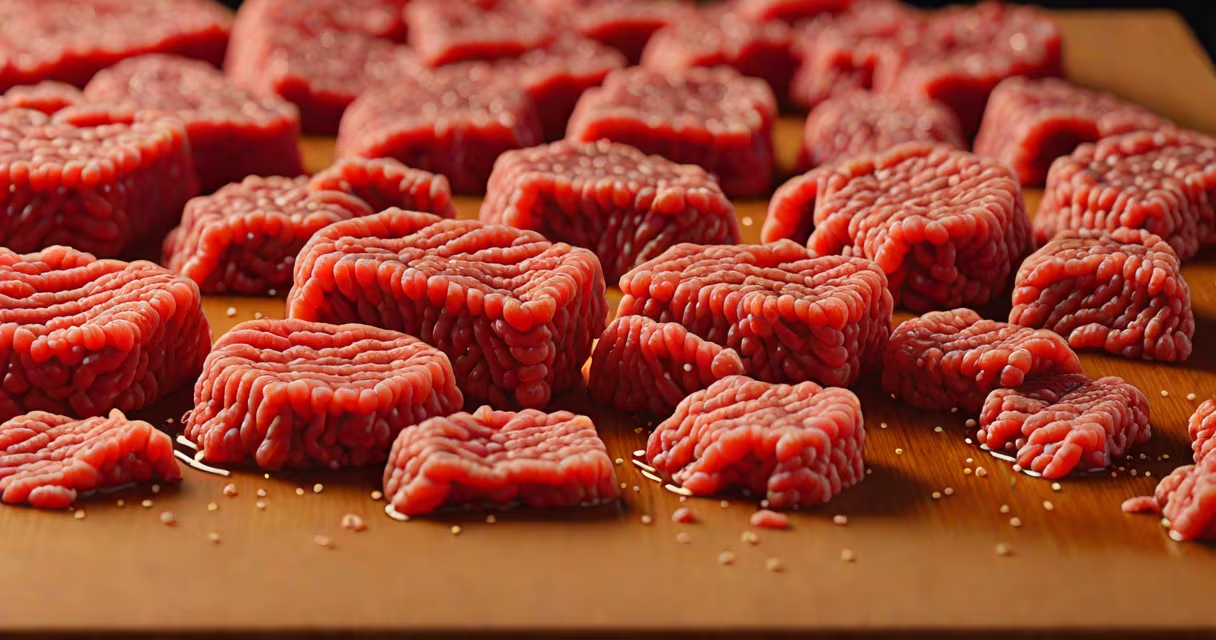
E. coli infections occur when pathogenic strains of the bacterium enter the human digestive tract, typically through ingestion of contaminated food or water, direct contact with infected animals or people, or poor hygiene practices. The most common route is consuming undercooked beef, unpasteurized milk, or produce exposed to animal waste.
Escherichia coli is a diverse group of bacteria found in the intestines of humans and animals. While most strains are harmless, certain pathogenic variants-like E. coli O157:H7-produce Shiga toxin, which damages intestinal lining cells and can lead to severe illness. These harmful strains are not naturally present in healthy individuals but are acquired externally.
The Centers for Disease Control and Prevention (CDC) reports that about 265,000 cases of E. coli infection occur annually in the United States, with roughly 3,000 hospitalizations and 30 deaths. Most cases stem from foodborne exposure, particularly ground beef, leafy greens, and raw sprouts. The bacteria survive in low temperatures and can multiply rapidly in improperly stored food.
Contaminated food is the primary vector. Ground beef is especially risky because grinding mixes surface bacteria throughout the meat. A single gram of undercooked beef can contain millions of E. coli cells. The U.S. Department of Agriculture (USDA) mandates cooking ground beef to 160°F (71°C) to kill pathogens, but cross-contamination during prep remains a major risk.
Waterborne transmission occurs when sewage runoff contaminates drinking water supplies. In 1993, a waterborne outbreak in Milwaukee affected over 400,000 people, linked to Cryptosporidium but highlighting how microbial contamination spreads through public systems. E. coli can persist in soil and water for weeks, especially in warm climates.
Person-to-person spread happens in settings with poor sanitation. Daycare centers report higher rates due to young children's inability to control bowel movements and limited handwashing habits. A 2018 study in Emerging Infectious Diseases found that 15% of E. coli cases in children under five were linked to siblings or caregivers who had not washed hands after using the toilet.
Many assume E. coli only comes from raw meat. But leafy greens like romaine lettuce have caused multiple large-scale outbreaks. In 2018, a multistate outbreak traced to contaminated romaine was linked to irrigation water drawn from a canal near cattle feedlots. The CDC confirmed 210 illnesses and 5 deaths across 36 states.
Another myth is that healthy adults rarely get sick. In reality, even healthy individuals can develop hemolytic uremic syndrome (HUS)-a life-threatening condition causing kidney failure. About 10% of E. coli O157:H7 cases progress to HUS, especially in children under 5 and older adults. This complication arises from Shiga toxin entering the bloodstream and destroying red blood cells.
Some believe antibiotics treat E. coli infections. That's incorrect. Antibiotics can worsen outcomes by increasing toxin release. The CDC explicitly advises against using antibiotics for suspected E. coli diarrhea unless complications arise. Treatment focuses on hydration and supportive care.
Not all E. coli strains cause the same illness. The classification depends on virulence factors and disease mechanism:
| Type | Transmission Route | Disease Symptoms | Key Risk Factors |
|---|---|---|---|
| Enterohemorrhagic (EHEC) | Undercooked beef, raw produce | Severe abdominal cramps, bloody diarrhea, fever | Consumption of ground beef, farm visits |
| Enteropathogenic (EPEC) | Contaminated water, person-to-person | Watery diarrhea, vomiting, dehydration | Infants, developing countries |
| Enterotoxigenic (ETEC) | Contaminated water, uncooked food | Watery diarrhea, cramping, nausea | Travelers to tropical regions |
| Uropathogenic (UPEC) | Rectal-to-urethral transfer | Burning urination, urgency, lower back pain | Females, sexual activity, catheter use |
UPEC strains are responsible for up to 80% of uncomplicated urinary tract infections (UTIs). They colonize the bladder by adhering to uroepithelial cells. A 2020 study in Journal of Clinical Microbiology found that 42% of women with recurrent UTIs had E. coli isolated from their urine, often originating from rectal flora.
Proper handling of raw meat reduces risk. In 2019, a family in Idaho fell ill after serving medium-rare hamburgers at a picnic. The meat came from a local butcher who hadn't tested for E. coli. Two children developed bloody diarrhea within 24 hours. One required hospitalization for HUS. The local health department traced the source to a batch of ground beef from a regional processor that failed to pasteurize trimmings.
Handwashing is critical. During a 2021 outbreak at a summer camp, 14 campers and two staff members fell ill. Investigation revealed that a counselor had changed diapers without washing hands and then handled shared snacks. The strain matched a known E. coli O157:H7 isolate from a nearby farm. The camp implemented mandatory handwashing stations and banned food sharing after meals.
I once observed a kitchen in a rural community center where workers used the same cutting board for raw chicken and fresh tomatoes. After a week, two staff members reported severe diarrhea. Testing confirmed E. coli O157:H7 in both the board and leftover tomato salad. Cross-contamination was the clear culprit. The center now uses color-coded boards and enforces strict cleaning protocols between tasks.