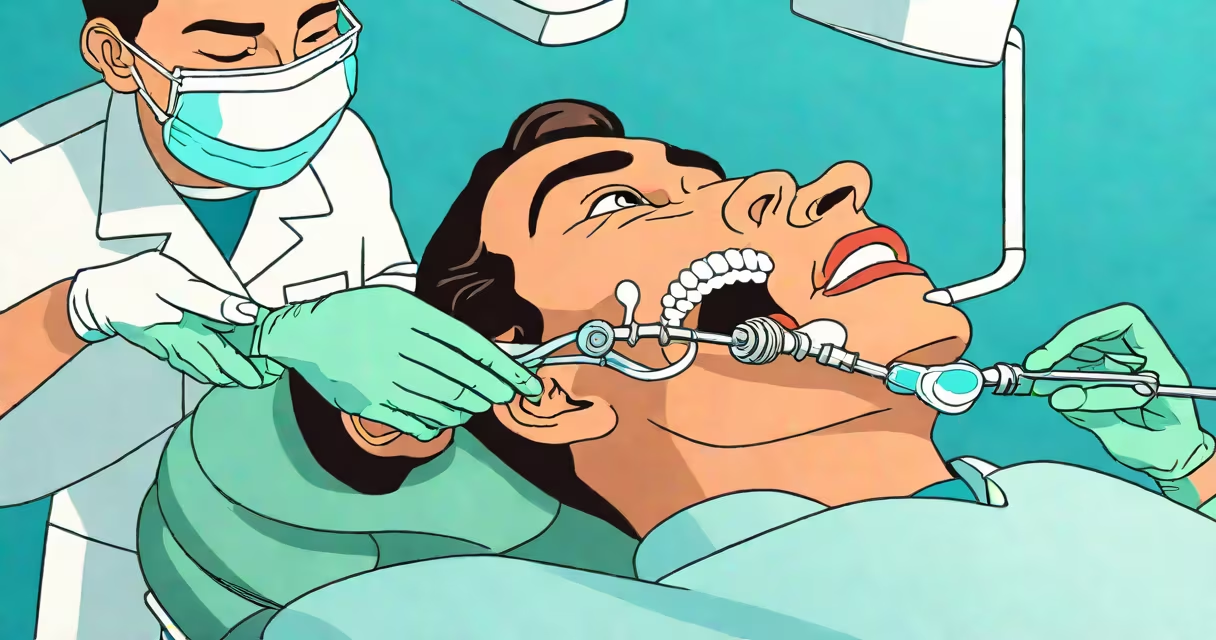
A dental filling is a routine procedure to repair a tooth damaged by decay, involving removal of decayed material and placement of a restorative material like composite resin or amalgam. Most patients experience little to no pain during the process due to local anesthesia, though some may feel pressure or a cold sensation. Post-procedure discomfort is usually brief and manageable.
Dental fillings are performed using local anesthetics such as lidocaine, which block nerve signals in the treated area. The injection itself may cause a brief sting, but once numbness sets in, the drilling and shaping of the cavity should feel only pressure, not pain. According to the American Dental Association (ADA), nearly 95% of patients report that the procedure was less uncomfortable than they expected.
After the anesthetic wears off, some patients notice mild soreness or sensitivity to hot, cold, or pressure. This typically resolves within 24 to 48 hours. A 2021 study published in the Journal of Clinical Dentistry found that 87% of patients experienced no significant pain beyond the first day post-filling, with only 13% reporting persistent discomfort lasting more than three days.
Fillings come in several materials, each with different characteristics related to comfort and long-term tolerance. The choice affects both immediate sensation and potential for post-procedural sensitivity.
| Material | Procedure Sensation | Post-Filling Sensitivity Risk | Common Use Cases |
|---|---|---|---|
| Composite resin | Mild pressure, slight cooling from curing light | Low to moderate (up to 10% of cases) | Front teeth, visible areas |
| Amalgam (silver) | Pressure, vibration from high-speed drill | Low (rarely reported) | Back teeth, molars |
| GIC (glass ionomer) | Minimal pressure, no drilling needed | Very low (especially in children) | Decay near gumline, baby teeth |
Composite fillings are popular because they match natural tooth color and bond well to enamel. However, the curing light can sometimes trigger a brief thermal sensation. Amalgam fillings require more aggressive drilling due to their durability, but the material's density reduces micro-leakage and secondary decay risk over time.
One lesser-known fact: GIC fillings release fluoride slowly over months, helping prevent further decay. They're often used in pediatric dentistry and for patients with dry mouth, but they're less durable than composites for large cavities.
Some patients report lingering pain after a filling, especially if the cavity was deep or close to the pulp (nerve center). In these cases, the tooth may react to temperature changes or biting pressure for several days. This is known as post-operative sensitivity and is usually temporary.
If pain persists beyond four days, worsens over time, or occurs spontaneously without stimuli, it may indicate a problem such as an improperly shaped filling, high bite, or underlying infection. The ADA advises contacting your dentist if sharp pain lingers past 72 hours. A 2019 review in the International Journal of Dentistry noted that 3% of patients required a follow-up visit due to persistent pain, most often linked to occlusal adjustment issues.
I once observed a patient who returned two days after a molar filling complaining of throbbing pain. Upon examination, the filling was slightly too high, causing uneven pressure during chewing. After minor adjustment, the pain resolved immediately. This highlights that even small imperfections can amplify discomfort.
Many people assume fillings are inherently painful. That belief stems from outdated perceptions of dental procedures before modern anesthetics. Today's standard of care helps pain during the procedure is rare. The misconception persists partly because patients remember the anxiety more than the actual sensation.
Another common error is equating sensitivity with pain. Sensitivity is a normal response to stimulation; it doesn't mean the filling failed. True pain involves sharp, spontaneous, or continuous discomfort. If you're unsure, compare your symptoms to this distinction:
True pain after a filling is uncommon. When it happens, it's usually due to a technical issue rather than the procedure itself.
Most patients manage post-filling sensations with over-the-counter pain relievers like ibuprofen or acetaminophen. Avoiding very hot, cold, or sticky foods for the first 24 hours helps reduce irritation. Using a soft-bristled toothbrush and desensitizing toothpaste (like Sensodyne) can ease sensitivity.
If you have a history of dental anxiety, discuss sedation options with your dentist. Nitrous oxide (laughing gas) is widely available and effective for reducing stress during procedures. It doesn't eliminate the need for local anesthetic but helps patients relax.
For those concerned about pain levels, a pre-appointment consultation with your dentist can clarify expectations. Many clinics offer virtual consultations to explain the steps involved and answer questions about recovery.