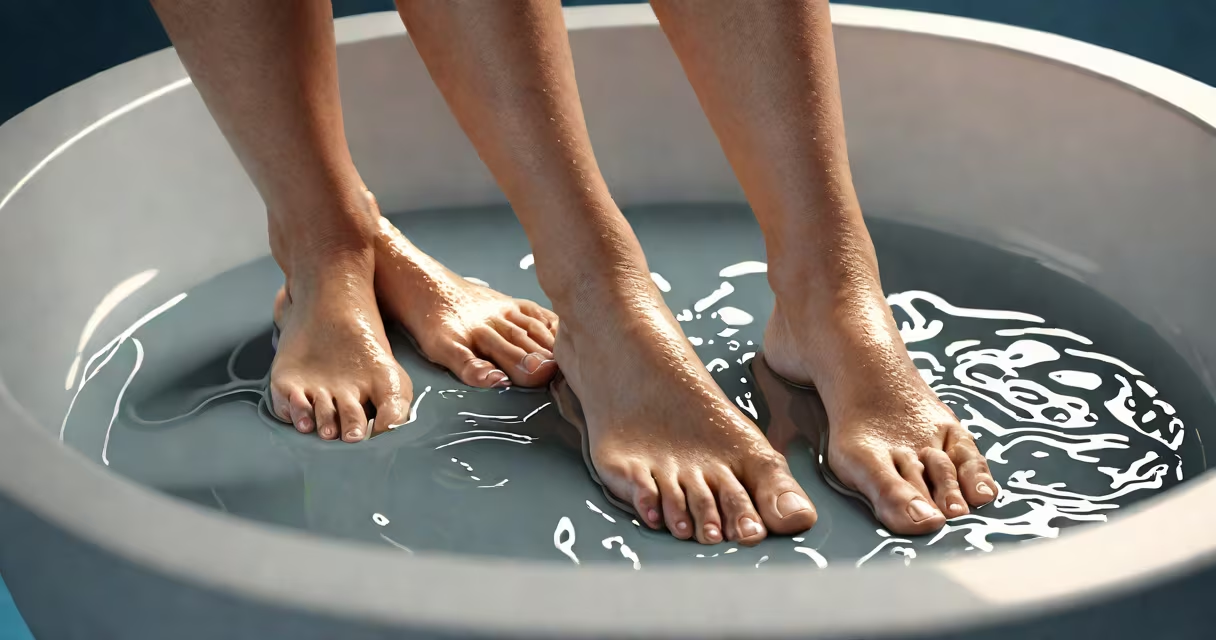
Swollen ankles and feet result from fluid buildup in tissues, often due to prolonged standing, injury, or medical conditions like heart failure or kidney disease. Reducing swelling involves addressing root causes through lifestyle changes, elevation, compression, and targeted treatments.
Fluid accumulates in the lower extremities when circulation slows or pressure increases in blood vessels. This typically affects both feet equally unless caused by trauma or infection. Common triggers include sitting or standing for long periods, high sodium intake, hormonal changes during pregnancy, or medications like calcium channel blockers.
According to the American College of Rheumatology, persistent swelling may indicate systemic issues such as venous insufficiency or lymphedema. Identifying whether swelling is acute (sudden onset) or chronic (lasting weeks) guides treatment. Acute cases often resolve with rest and cold therapy; chronic cases require evaluation by a healthcare provider.
When blood flows through capillaries, small amounts of plasma leak into surrounding tissue. Normally, lymphatic vessels collect excess fluid and return it to the bloodstream. When this system fails-due to poor circulation, damaged valves, or blocked lymph nodes-fluid pools in the feet and ankles.
Gravity worsens pooling. During long flights or extended standing, fluid shifts downward. The body responds by retaining salt and water to maintain blood volume, which increases pressure in capillaries and drives more fluid out. This cycle continues until drainage mechanisms restore balance.
A 2021 study in Clinical Interventions in Aging found that individuals who sat for more than six hours daily had a 40% higher risk of developing mild edema compared to those who moved regularly. Movement activates calf muscles as a pump, helping push fluid back toward the heart.
Swelling can be categorized by duration and cause. Acute swelling appears suddenly after injury or allergic reaction. Chronic swelling persists beyond two weeks and may signal a deeper issue.
| Type | Common Triggers | Typical Duration | Red Flags |
|---|---|---|---|
| Postural edema | Prolonged standing, travel, heat exposure | Hours to days | Resolves with rest and elevation |
| Injury-related | Sprains, fractures, bruises | Days to weeks | Pain, discoloration, limited mobility |
| Medical condition | Heart failure, kidney disease, liver cirrhosis | Chronic (weeks to months) | Unilateral swelling, shortness of breath, fatigue |
One non-obvious distinction: unilateral swelling (one foot) is less likely to be related to posture or diet and more likely to stem from localized damage, infection, or deep vein thrombosis (DVT). The Centers for Disease Control and Prevention notes that DVT affects about 900,000 people annually in the U.S., with leg swelling as a primary symptom.
Elevation reduces pressure in veins and encourages fluid return. Lie down with feet raised above heart level for 15-20 minutes, three times daily. Cold compresses applied for 10-15 minutes can reduce inflammation and numb pain.
Compression socks apply graduated pressure-tightest at the ankle, loosening toward the calf-to prevent fluid accumulation. A 2019 randomized controlled trial published in Phlebology showed that wearing Class 1 compression stockings reduced ankle circumference by an average of 1.8 cm over four weeks in participants with mild edema.
Reducing dietary sodium intake helps minimize fluid retention. The American Heart Association recommends no more than 2,300 mg of sodium per day, ideally 1,500 mg for those with hypertension or fluid retention issues. One cup of canned soup averages 800 mg sodium-nearly half the daily limit.
Walking for 10-15 minutes every hour while seated prevents stagnation. I've used this method during long workdays: walking around my apartment between meetings keeps circulation active and prevents morning swelling.
Swelling that doesn't improve within 48 hours after rest, elevation, or compression warrants evaluation. Sudden, severe swelling with warmth, redness, or fever suggests infection or DVT. These conditions require prompt diagnosis and treatment.
Other warning signs include swelling that spreads to the legs or arms, difficulty breathing, chest pain, or unexplained weight gain. These may indicate heart or kidney dysfunction. The National Kidney Foundation states that early detection of kidney disease improves outcomes-swelling is often one of the first visible signs.
If swelling returns frequently despite lifestyle changes, consult a doctor. Blood tests, ultrasound imaging, or echocardiograms may be needed to rule out systemic causes.
Many assume all swelling is harmless or treatable with over-the-counter diuretics. But diuretics like furosemide should only be used under medical supervision. They alter electrolyte balance and can cause dehydration or kidney strain if misused.
Another error: using tight elastic bandages. While compression is useful, wrapping too tightly cuts off circulation. Signs of improper compression include numbness, tingling, or bluish skin. Always use properly fitted compression garments.
Some believe drinking more water worsens swelling. Actually, adequate hydration supports kidney function and helps flush excess sodium. Dehydration can trigger the body to retain fluid as a protective mechanism.
For someone experiencing occasional foot swelling after standing all day:
After one week, if swelling persists, see a healthcare provider. Early intervention prevents complications like skin breakdown or chronic pain.
Fixing swollen ankles and feet begins with understanding the cause. Simple, consistent actions-elevation, movement, compression, and diet-can reverse most cases. When swelling lasts longer than expected or includes warning signs, medical evaluation is essential.