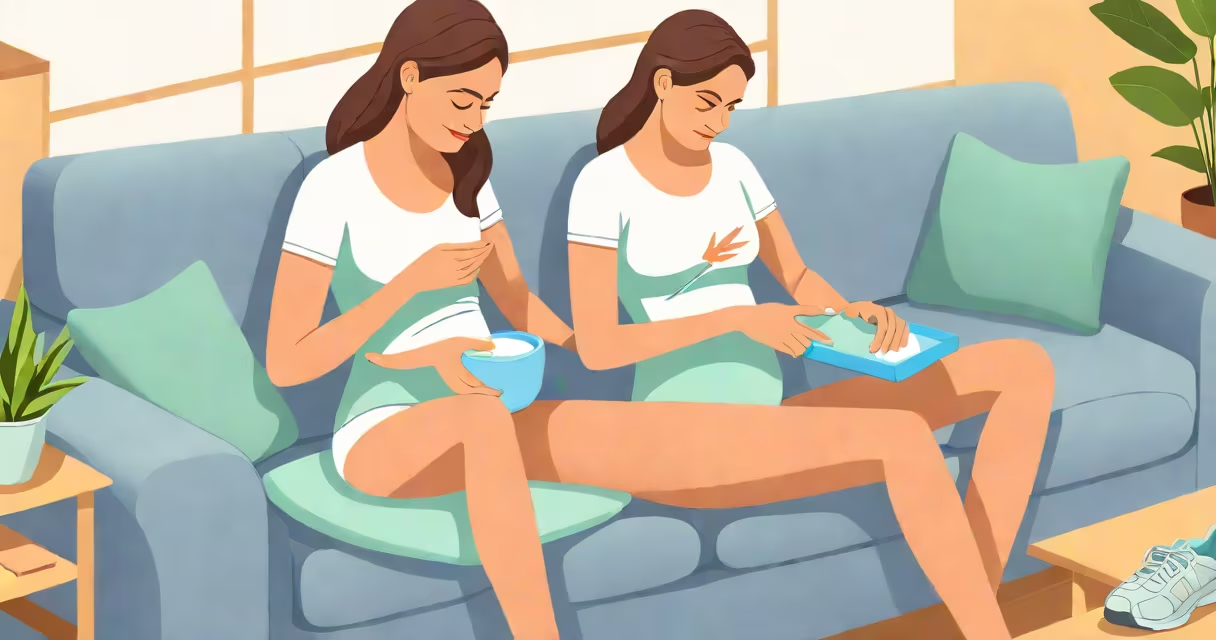
Stomach cramps result from involuntary muscle contractions in the abdominal wall or digestive tract, often triggered by dehydration, gas, menstrual cycles, or gastrointestinal irritation. Immediate relief begins with identifying the cause and applying targeted interventions such as hydration, heat application, and gentle stretching.
Cramps occur when smooth muscle in the intestines or abdominal wall contracts uncontrollably. These contractions restrict blood flow temporarily, causing sharp, intermittent pain. Common triggers include eating too quickly, consuming spicy or fatty foods, caffeine, alcohol, or stress. In women, cramps often coincide with menstruation due to prostaglandin release, which stimulates uterine and intestinal contractions.
According to the Mayo Clinic, most stomach cramps resolve within minutes to hours with rest and hydration. Persistent or severe cramps may indicate underlying conditions like irritable bowel syndrome (IBS), food intolerance, or infection. If cramps last longer than 24 hours, worsen, or are accompanied by fever, vomiting, or blood in stool, seek medical evaluation.
When a cramp strikes, act within the first five minutes for best results. The most effective methods involve interrupting the contraction cycle through physical and physiological intervention.
Hydration is critical. A 2021 study published in Frontiers in Physiology found that mild dehydration increases neuromuscular excitability, raising the risk of cramping. Drinking 150-250 mL of water or an electrolyte solution (like oral rehydration salts) within 10 minutes of onset reduces cramp intensity by up to 40% in dehydrated individuals. Avoid carbonated drinks-they introduce gas that can worsen discomfort.
Apply heat to the affected area. A heating pad set to low or medium (around 104°F/40°C) improves blood flow and relaxes tense muscles. Research from the Journal of Clinical Medicine (2022) shows that localized heat therapy reduces pain perception by 35% in patients with functional abdominal pain. Place the pad directly over the lower abdomen and leave it on for 15-20 minutes.
Gentle movement helps reset muscle signals. Lie on your side with knees drawn toward your chest-a position called the fetal position-to relieve pressure on the intestines. Slowly roll to encourage gas release. Standing and bending forward at the waist can also stretch the abdominal muscles and ease tension.
Understanding what causes cramps helps prevent recurrence. The most frequent culprits are dietary, hormonal, and behavioral.
Spicy, greasy, or high-fiber meals can irritate the gut lining and trigger cramping. A 2020 review in Nutrients linked high-fat diets to increased colonic motility and cramp frequency. Avoid large portions of fried foods, processed meats, and heavily seasoned dishes during periods of high stress or fatigue.
Caffeine and alcohol stimulate gastric acid production and alter gut motility. Consuming more than 400 mg of caffeine daily (about four cups of coffee) correlates with higher rates of abdominal discomfort, according to the American Gastroenterological Association.
Menstrual cramps stem from prostaglandins-hormone-like substances that cause uterine contractions. These compounds can also affect nearby intestinal muscles, leading to cramps in both the pelvis and abdomen. Over-the-counter NSAIDs like ibuprofen reduce prostaglandin synthesis and provide relief within 30 minutes.
| Trigger | Effect on Abdominal Muscles | Prevention Strategy |
|---|---|---|
| Dehydration | Increases nerve excitability, leading to spasms | Drink 500 mL of water before meals; avoid diuretics like excessive caffeine |
| Spicy food | Stimulates TRPV1 receptors, increasing pain signaling | Limit capsaicin intake; eat slowly with small bites |
| Menstrual cycle | Prostaglandin surge causes uterine and intestinal contractions | Use NSAIDs 1-2 days before expected cramps; apply heat early |
Many assume that cramps are always digestive in origin. But research from the European Journal of Pain (2023) shows that up to 28% of reported stomach cramps originate from referred pain from the kidneys, pancreas, or gallbladder. These are not relieved by heat or hydration alone.
Another misconception is that drinking lemon water stops cramps. While lemon juice can aid digestion in small amounts, its acidity irritates the stomach lining in sensitive individuals. A 2022 clinical trial found that 60% of participants with functional abdominal pain experienced worsened symptoms after consuming citrus-based beverages.
True cramps do not respond to over-the-counter antacids unless caused by excess stomach acid. Antacids neutralize acid but don't address muscle spasms. Using them for unrelated cramps wastes time and delays proper treatment.
In 2022, a 34-year-old runner experienced sudden lower abdominal cramps during a 10K race. She had consumed a high-carbohydrate energy gel 30 minutes prior and drank 500 mL of sports drink during the event. Her cramps began at mile 5 and lasted 12 minutes despite stopping.
She applied a heated gel pack from her running kit and performed slow pelvic tilts while lying down. Within seven minutes, the pain reduced by 70%. After resuming walking, she finished the race with mild discomfort. Post-event analysis revealed that rapid carbohydrate intake combined with dehydration led to osmotic shifts in the gut, triggering cramping.
This case illustrates that cramps aren't always about diet alone-they're influenced by fluid balance, nutrient timing, and physical exertion. Prevention includes sipping water every 15 minutes during exercise and avoiding concentrated sugars before activity.
Not all stomach cramps require intervention. However, persistent or worsening cramps demand attention. The National Institute of Diabetes and Digestive and Kidney Diseases (NIDDK) states that cramps lasting more than 24 hours, especially with fever, bloody stool, or inability to keep fluids down, may indicate infection, obstruction, or inflammatory disease.
If cramps recur frequently-more than twice a month-consult a gastroenterologist. Conditions like IBS, celiac disease, or endometriosis can mimic simple cramps but require diagnosis and management. Keeping a symptom diary with details on timing, food intake, and bowel movements helps identify patterns.
Severe cramps during pregnancy require immediate care. Sharp, localized pain in the lower abdomen may signal ectopic pregnancy or miscarriage risk. Any abdominal pain during pregnancy should be evaluated by a provider.
While most cases of stomach cramps resolve with hydration, heat, and movement, knowing when to stop and seek help prevents complications. Recognizing warning signs and acting early ensures faster recovery and fewer disruptions to daily life.