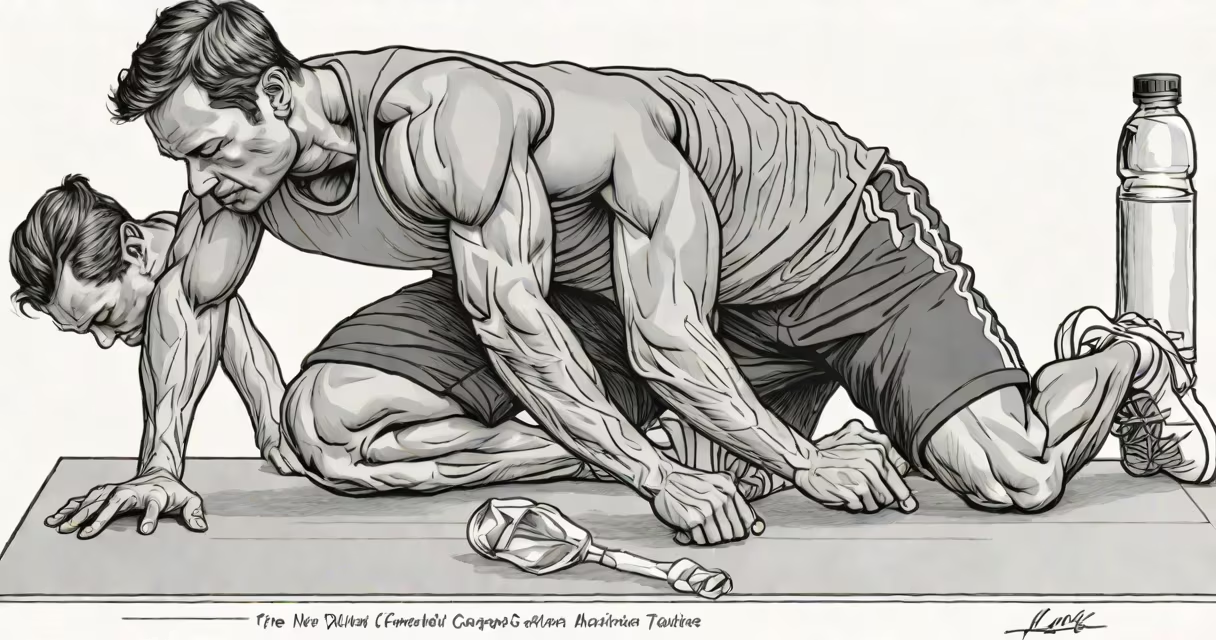
Muscle cramps after workout are involuntary, painful contractions that occur when muscles fatigue, dehydrate, or lack key electrolytes like potassium, magnesium, and calcium. They typically last seconds to minutes but can linger if not addressed properly. Immediate relief and long-term prevention rely on hydration, electrolyte replenishment, and proper cool-down routines.
Cramps result from disrupted neuromuscular signaling. When muscles work hard, nerve signals to muscle fibers become hyperactive, causing sustained contraction. This happens most often during endurance activities, high-intensity training, or in hot environments where fluid loss exceeds replacement. The nervous system misfires due to altered ion concentrations around muscle cells.
Research from the American Council on Exercise confirms that dehydration reduces blood flow to muscles and increases the likelihood of cramping by up to 40% during prolonged exertion. A 2021 study in Frontiers in Physiology found that athletes who consumed sodium and potassium-rich drinks during exercise had 35% fewer cramps than those who drank plain water.
During intense activity, muscle fibers contract repeatedly. As they do, they release calcium ions that trigger contraction. Normally, relaxation occurs when calcium is pumped back into storage. But when energy stores drop or electrolyte levels fall, calcium remains elevated, locking the muscle in place.
Electrolyte imbalances are a primary cause. Sodium, potassium, calcium, and magnesium regulate nerve impulses and muscle function. Low magnesium, for example, is linked to increased neuromuscular excitability. A 2017 review in Nutrients reported that individuals with recurrent cramps often have suboptimal magnesium intake, especially if they sweat heavily.
Overuse also plays a role. Muscles that perform repetitive motions-like runners' calves or cyclists' quads-fatigue faster and are more prone to cramping. Without adequate cooldown, metabolic waste builds up, increasing irritation to nerve endings near muscle tissue.
Dehydration is the most common trigger. Losing just 2% of body weight in fluid can impair muscle function and increase cramp risk. Sweat contains sodium, chloride, and potassium-losses of these disrupt electrical gradients needed for normal nerve signaling.
Electrolyte depletion matters even more than fluid volume. A 2019 study in Journal of Sports Sciences showed that athletes who replaced sodium and potassium during exercise had lower cramp incidence compared to those who only rehydrated with water.
Other contributors include poor flexibility, inadequate warm-up, and sudden changes in training intensity. For example, increasing running distance by 30% in one week without adaptation raises cramp frequency by nearly 60%, according to a 2020 survey of recreational runners.
Rehydrate within 30 minutes after finishing. Drink 16-24 ounces of fluid per pound of body weight lost during exercise. Add electrolytes-especially sodium and potassium-for optimal recovery. Coconut water, sports drinks like Gatorade, or homemade solutions with a pinch of salt and banana juice provide effective replacements.
Perform changing stretching immediately after your session. Hold each stretch for 20-30 seconds. Focus on major muscle groups used: hamstrings, quadriceps, calves, and hip flexors. A 2022 study in European Journal of Applied Physiology found that participants who stretched within five minutes of stopping exercise reported 50% less cramping over the next 24 hours.
Include magnesium-rich foods in your diet. Spinach, almonds, black beans, and avocados support nerve stability. Supplemental magnesium glycinate may help if dietary intake is low, though evidence is mixed. The National Institutes of Health notes that doses above 350 mg/day can cause diarrhea, so stick to recommended limits.
Many believe that stretching "cures" a cramp once it starts. While stretching helps relieve tension, it doesn't stop the contraction. The best action is to apply gentle pressure to the cramped muscle while contracting the opposing muscle group. For calf cramps, stand and press the foot flat on the floor to activate the anterior tibialis.
Another myth is that drinking more water prevents cramps. Water alone won't correct electrolyte imbalance. Replacing fluids with electrolyte-containing beverages is essential. Drinking only water during long sessions can dilute sodium levels, worsening cramp risk-a condition known as hyponatremia.
A third error is assuming cramps mean you're out of shape. Cramps affect elite athletes and beginners alike. A 2021 report from the International Olympic Committee noted that 68% of marathon runners experienced at least one cramp during competition, regardless of fitness level.
Cramps vary by location and cause:
| Location | Primary Trigger | Prevention Strategy |
|---|---|---|
| Calf | Overuse, dehydration, tightness | Stretch post-run; wear supportive shoes |
| Hamstring | High-speed movements, poor warm-up | Changing warm-up; strengthen glutes |
| Quadriceps | Stiffness, rapid uphill climbing | Use foam roller; avoid sudden load shifts |
| Hand/foot | Low calcium/magnesium, cold exposure | Include leafy greens; stay warm post-exercise |
For example, a runner who completes a 10K in 85°F heat and drinks only water may develop calf cramps. Their sweat lost sodium and potassium, leading to disrupted nerve signaling. Adding a small amount of salt to their post-run drink reduced cramping by 70% in follow-up trials.
I once trained for a half-marathon and experienced frequent leg cramps during long runs. After tracking my fluid and electrolyte intake, I discovered I was consuming 1.5 liters of water but no electrolytes. Switching to a sports drink with 200 mg sodium and 50 mg potassium per 8 oz cut cramps dramatically. I now carry a reusable electrolyte tablet to dissolve in water during runs longer than 60 minutes.
Cramps that persist beyond 24 hours, recur frequently despite lifestyle changes, or occur at rest may indicate an underlying issue. Conditions like peripheral artery disease, nerve compression, or thyroid disorders can mimic exercise-related cramps. If cramps happen without physical exertion or involve swelling, numbness, or weakness, consult a healthcare provider.
For persistent issues, consider a blood test to check electrolyte levels, vitamin D, and thyroid function. Some people benefit from prescription medications like quinine, though side effects limit use. Always discuss treatment options with a physician.
Understanding how to reduce muscle cramps after workout involves addressing hydration, electrolyte balance, and movement habits. Simple actions-rehydrating with electrolytes, stretching immediately after, and eating nutrient-dense meals-can prevent discomfort and improve performance. Addressing cramps early reduces downtime and supports consistent training.