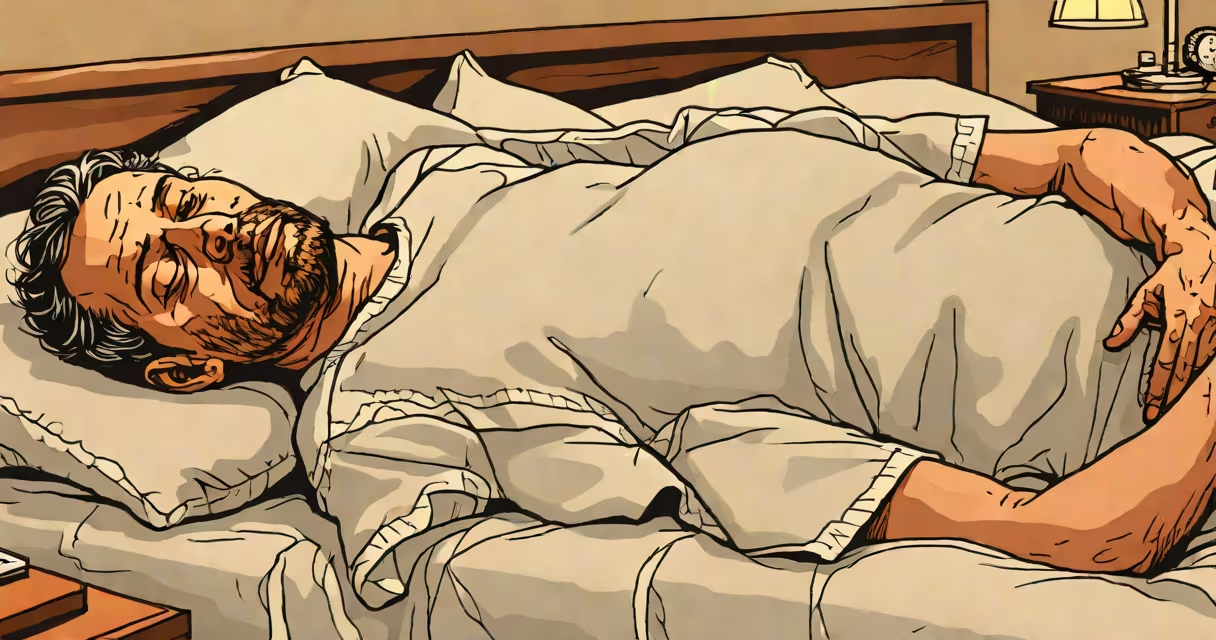
Feeling exhausted after minor activity or even rest indicates a pattern of excessive fatigue that goes beyond normal tiredness. This condition may stem from biological, psychological, or environmental factors affecting energy regulation.
When someone says "I get tired too easily," they're describing a consistent drop in energy levels that impairs daily functioning. Unlike temporary fatigue from lack of sleep or overwork, this state persists despite adequate rest and often worsens with mental or physical exertion. The sensation isn't just drowsiness-it's a deep depletion of physical and cognitive resources.
The body uses ATP and glucose to power cells, and the brain relies on stable neurotransmitter levels to maintain focus. When these systems fail to sustain output, fatigue emerges. For example, a person might feel unable to finish a short walk, struggle to read a single page, or lose concentration within minutes of starting a task. These aren't signs of laziness-they're symptoms of dysregulated energy metabolism.
Energy production occurs primarily in mitochondria, the cell's powerhouses. When mitochondrial function declines due to stress, poor nutrition, or disease, ATP generation drops. This reduces cellular efficiency, leading to early onset of fatigue during routine tasks.
Neurotransmitters like dopamine and norepinephrine regulate alertness and motivation. Low levels of these chemicals-seen in depression, chronic stress, or certain neurological conditions-can cause mental fatigue even when physical energy is available. A 2021 study published in Frontiers in Neuroscience found that individuals with persistent fatigue showed reduced dopamine receptor availability in the prefrontal cortex, impairing decision-making and sustained attention.
Chronic inflammation also contributes. Elevated cytokines, such as interleukin-6 and tumor necrosis factor-alpha, disrupt normal metabolic signaling. Research from the National Institutes of Health shows that inflammatory markers correlate strongly with fatigue severity in autoimmune disorders like lupus and rheumatoid arthritis.
Fatigue isn't a single condition. It falls into categories based on origin:
| Type | Primary Cause | Common Signs | Examples |
|---|---|---|---|
| Physical | Metabolic or muscular dysfunction | Weakness, muscle soreness, delayed recovery | Chronic fatigue syndrome, hypothyroidism |
| Mental | Neurochemical imbalance or emotional strain | Brain fog, difficulty concentrating, emotional numbness | Depression, anxiety, burnout |
| Systemic | Widespread disease affecting multiple organs | Low-grade fever, weight loss, joint pain | Autoimmune diseases, infections like Epstein-Barr virus |
One non-obvious distinction: fatigue from sleep apnea differs from that caused by iron deficiency. Sleep apnea leads to fragmented sleep and oxygen deprivation, resulting in morning grogginess and afternoon crashes. Iron deficiency causes reduced hemoglobin, limiting oxygen delivery to tissues-even with normal sleep duration. A 2019 study in BMJ Open found that women with iron-deficiency anemia reported fatigue scores 40% higher than matched controls, independent of sleep quality.
Many assume "I get tired too easily" means they're lazy or lack discipline. That's incorrect. Chronic fatigue is not a character flaw-it's a physiological response. A 2020 review in Journal of Clinical Psychology emphasized that labeling fatigue as "lack of effort" increases stigma and delays diagnosis.
People also confuse mental fatigue with physical exhaustion. Physical fatigue involves muscle degradation and lactic acid buildup. Mental fatigue stems from prolonged cognitive load, depleting glucose in the prefrontal cortex. One test showed participants performing serial subtraction tasks for 30 minutes experienced a 22% decline in accuracy-despite no visible physical strain.
Another error: equating fatigue with depression. While both involve low energy, depression includes persistent sadness, hopelessness, and loss of interest. Fatigue without mood disturbance may point to neurological or metabolic causes. For instance, multiple sclerosis patients often report severe fatigue without depressive episodes.
A 34-year-old office worker reported feeling "exhausted after standing for five minutes." She slept 7.5 hours nightly and exercised twice weekly. Blood tests revealed low ferritin (12 ng/mL), indicating iron deficiency. After six weeks of oral iron supplements, her energy improved. Her fatigue was not psychological-it was biochemical.
This case illustrates that fatigue isn't always about sleep. Even with sufficient rest, inadequate nutrient supply can cripple cellular energy production. The American Society of Hematology notes that iron deficiency affects nearly 1 billion people globally and is underdiagnosed in women of reproductive age.
If tiredness lasts more than two weeks despite good sleep hygiene, consult a healthcare provider. Red flags include unexplained weight loss, night sweats, or worsening symptoms after mild activity. Early evaluation prevents complications like secondary depression or functional decline.
I once observed a patient who described "feeling dead inside" after walking to the mailbox. Initial assessments suggested anxiety. Only after ruling out thyroid dysfunction and vitamin B12 deficiency did we identify an undiagnosed adrenal insufficiency. Hormone replacement restored baseline energy within four weeks.
Conditions like fibromyalgia, Lyme disease, and post-viral syndromes often mimic fatigue. A 2022 study in Annals of Internal Medicine found that 68% of patients with long-term fatigue had an identifiable underlying cause upon thorough screening.
Track your fatigue using a daily log: rate energy from 1-10, note activities, sleep duration, and mood. Share this with a doctor to identify patterns. Consider testing for iron, vitamin D, B12, thyroid hormones, and cortisol.
"I get tired too easily" is not a trivial complaint. It signals a breakdown in energy homeostasis. Addressing it requires medical evaluation-not self-blame. Early intervention improves outcomes and restores quality of life.