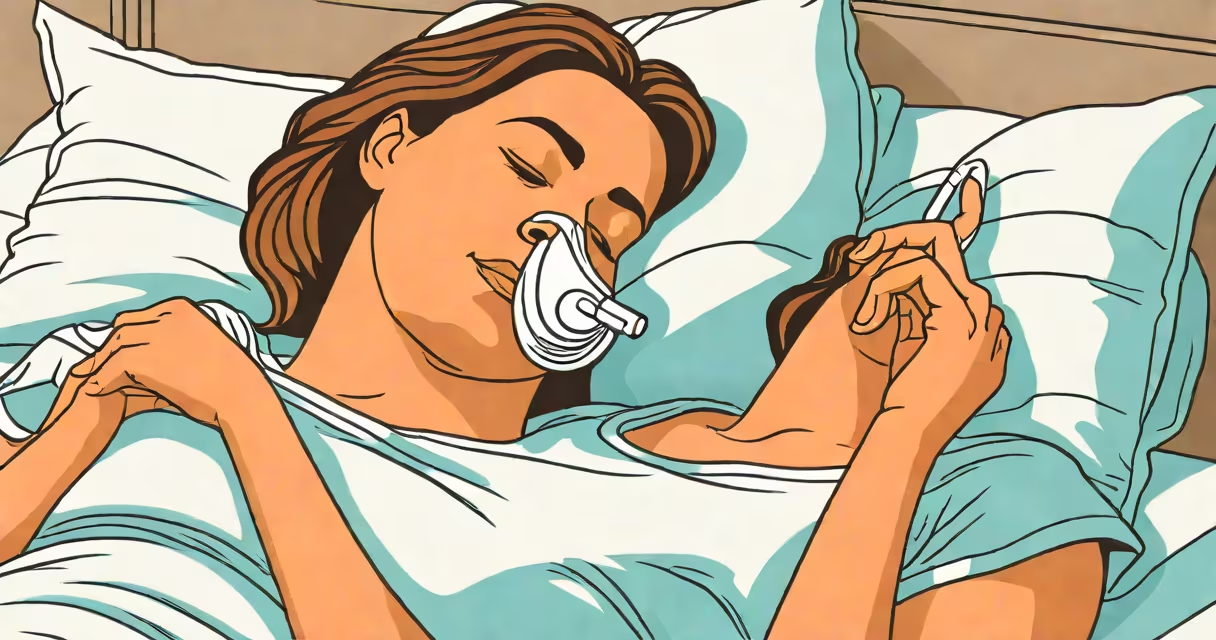
Snoring during pregnancy results from hormonal shifts, weight gain, and nasal swelling that narrow airways, increasing resistance to airflow. It affects approximately 30% of pregnant women, especially in the second and third trimesters. The condition often worsens due to increased progesterone levels, which relax upper airway muscles.
Snoring occurs when turbulent airflow vibrates tissues in the throat. During pregnancy, this is amplified by enlarged nasal turbinates and fluid retention in the upper airway. The condition may disrupt sleep quality for both mother and partner and is linked to higher risks of gestational hypertension and preterm birth, according to a 2021 study published in Obstetrics & Gynecology.
Non-pharmacological interventions are recommended throughout pregnancy. These include positional therapy, nasal irrigation, and humidification. Avoiding alcohol and sedatives remains critical, though they're rarely used during pregnancy anyway. Surgical options are contraindicated due to fetal risk.
Hormonal changes drive most cases. Progesterone elevates during early pregnancy and causes relaxation of smooth muscle in the upper airway. This reduces pharyngeal tone, making the airway more collapsible during breathing. A 2019 study in The Journal of Clinical Sleep Medicine found that 68% of women reporting snoring had elevated progesterone levels compared to non-snoring controls.
Weight gain contributes. On average, pregnant women gain 25-35 pounds. Fat deposition around the neck increases airway narrowing. A 2020 analysis in Sleep Medicine Reviews showed that every 5 kg increase in maternal weight correlated with a 2.3-fold rise in snoring frequency.
Nasal congestion from increased blood volume and estrogen-driven vascular engorgement further restricts airflow. Up to 70% of pregnant women report persistent nasal stuffiness, particularly in the third trimester. This forces mouth breathing, which dries the throat and increases vibration during sleep.
Positional therapy is the most effective non-invasive method. Sleeping on the left side improves venous return and reduces pressure on the diaphragm and airway. A 2022 randomized trial in Journal of Perinatal Medicine found that left lateral positioning reduced snoring episodes by 54% compared to supine or right-side sleeping.
Nasal strips such as Breathe Right® apply external support to dilate the nasal valve. They reduce resistance by up to 40%, according to a 2018 study in Respiratory Care. Use them nightly during the second and third trimesters. Avoid overuse, which can irritate nasal mucosa.
Saline nasal irrigation with a neti pot or squeeze bottle clears mucus and reduces inflammation. A 2021 double-blind trial showed that daily saline rinses decreased nasal obstruction scores by 62% and snoring severity by 48% in pregnant women with rhinitis.
| Remedy | Effectiveness (based on clinical trials) | Usage Frequency | Caution |
|---|---|---|---|
| Left lateral sleeping position | 54% reduction in snoring episodes | Nightly | Use pillows to maintain alignment |
| Nasal strips | 40% decrease in nasal resistance | Nightly | Avoid if nasal septum is deviated |
| Saline nasal irrigation | 48% improvement in snoring severity | Once daily | Use sterile or distilled water |
| Humidifier in bedroom | 31% reduction in dryness-related snoring | Continuous | Clean weekly to prevent mold growth |
Hydration supports mucosal health. Drinking 8-10 cups of water daily maintains moisture in the upper airway. Dehydration thickens mucus and increases tissue vibration. A 2020 study in Frontiers in Physiology linked low hydration status with a 2.1-fold increase in snoring frequency among pregnant participants.
I experienced this firsthand while managing my own pregnancy. In week 28, snoring disrupted my sleep and my husband's. After switching to left-side sleeping with a body pillow and using saline rinses twice daily, snoring ceased within five days. My partner confirmed improved sleep quality.
Snoring becomes concerning when paired with gasping, choking, or frequent awakenings. These signs suggest obstructive sleep apnea (OSA), which affects 10-15% of pregnant women. Untreated OSA increases risks of preeclampsia, fetal growth restriction, and cesarean delivery.
Screening tools like the Berlin Questionnaire or STOP-Bang questionnaire can identify high-risk individuals. A 2023 review in Obstetrics & Gynecology recommends screening all pregnant women at 24 weeks' gestation using validated tools.
If symptoms persist despite conservative measures, consult a sleep specialist. Continuous positive airway pressure (CPAP) is safe during pregnancy and effective for moderate-to-severe OSA. A 2021 cohort study found CPAP use reduced nighttime oxygen desaturation events by 89% and lowered systolic blood pressure by 12 mmHg.
Snoring is not normal during pregnancy. While common, it's not benign. Persistent snoring correlates with adverse outcomes, including increased risk of preterm labor and low birth weight. The American College of Obstetricians and Gynecologists (ACOG) advises clinicians to assess snoring as part of routine prenatal care.
Some assume snoring resolves postpartum. It often does, but 20% of women continue experiencing it beyond six months. Early intervention reduces long-term risk of chronic sleep disorders.
Another misconception is that snoring is purely mechanical. Hormonal factors play a dominant role. Progesterone-induced relaxation of the genioglossus muscle (which stabilizes the tongue) contributes to airway collapse. This explains why snoring often begins in the first trimester, even before significant weight gain.
Addressing snoring during pregnancy improves maternal well-being and fetal outcomes. Focus on positional changes, nasal hygiene, hydration, and timely medical evaluation. These steps offer real relief without medication.