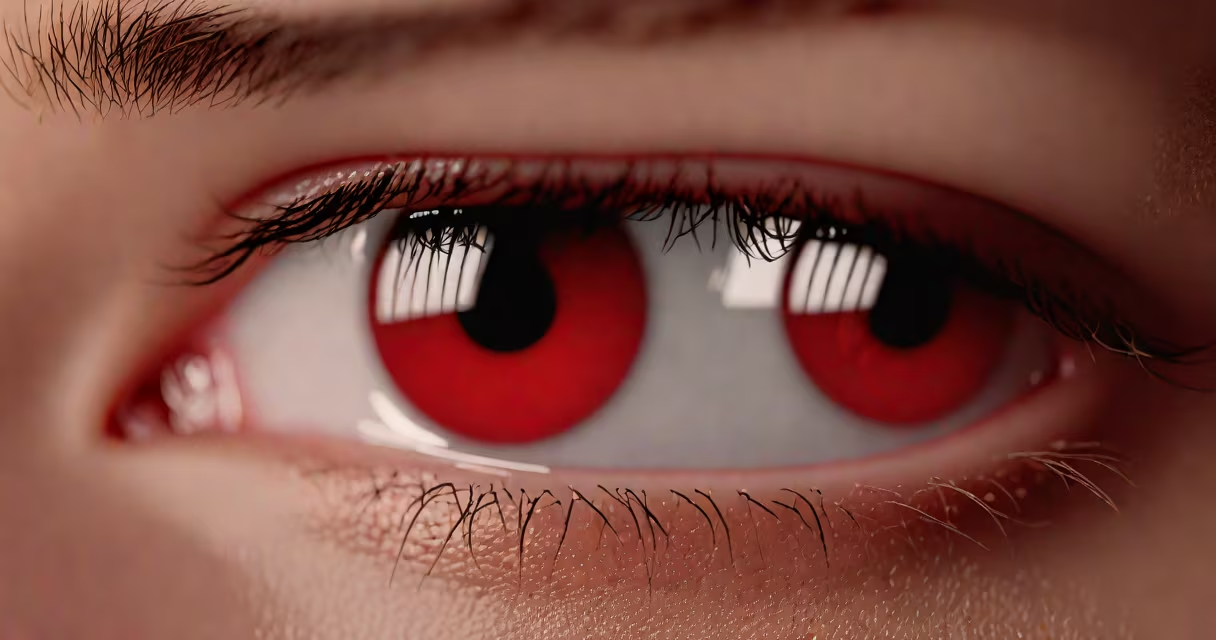
Waking up with a red eye means blood vessels in the conjunctiva-the thin membrane covering the white of your eye-have dilated or leaked fluid, often due to irritation, infection, or dryness. This condition is common and usually resolves within hours to a few days.
The redness appears because tiny blood vessels near the surface of the eye expand in response to stress, allergens, or inflammation. Most cases stem from temporary triggers like sleeping with contact lenses in, rubbing your eyes, or exposure to dry air. The condition may affect one or both eyes.
According to the American Academy of Ophthalmology, about 60% of red eye cases are due to non-serious causes such as dryness or mild irritation. However, persistent redness lasting more than 48 hours, especially with pain, vision changes, or discharge, requires medical evaluation.
When the eye's surface becomes irritated, the body sends more blood to the area to begin healing. This increases blood flow through the conjunctival vessels, making them visible as red streaks or patches. The effect is most noticeable in the morning because tear production drops during sleep, increasing dryness and vulnerability.
Common triggers include:
One overlooked cause is nocturnal lagophthalmos-sleeping with eyes slightly open. A 2021 study in Cornea found that 12% of patients with chronic red eye reported incomplete eyelid closure during sleep, leading to corneal drying and redness upon waking.
Red eye can result from several distinct conditions. The most frequent are allergic reactions, viral infections, and bacterial conjunctivitis. Distinguishing between them helps determine treatment.
| Type | Key Signs | Duration | Common Causes |
|---|---|---|---|
| Allergic conjunctivitis | Itchy, watery eyes; often bilateral; may accompany sneezing or nasal congestion | Hours to days; resolves with allergen avoidance | Pollen, pet dander, dust mites |
| Viral conjunctivitis | Watery discharge; redness spreads from one eye to both; may follow cold symptoms | 5-14 days; self-limiting | Adenovirus (common cold virus) |
| Bacterial conjunctivitis | Thick yellow or green discharge; crusting overnight; eye feels gritty | 3-7 days with antibiotics; longer without treatment | Staphylococcus aureus, Streptococcus pneumoniae |
One key difference: viral red eye often starts in one eye and spreads to the other within 24-48 hours. Bacterial cases typically show purulent discharge and may require prescription eye drops. Allergic redness rarely causes pus and usually improves quickly when allergens are removed.
While most red eyes resolve on their own, certain warning signs suggest a more serious problem. These include severe pain, sensitivity to light, blurred vision, or inability to open the eye fully. These symptoms may indicate uveitis, glaucoma, or corneal abrasion.
For example, a 2020 case report in JAMA Ophthalmology described a patient who woke with a red eye and mild pain. After ignoring it for three days, they developed decreased visual acuity. Diagnosis revealed acute angle-closure glaucoma-an emergency requiring immediate treatment to prevent permanent vision loss.
Another red flag is redness that persists beyond 72 hours despite home care. The CDC notes that untreated bacterial conjunctivitis can lead to complications like corneal scarring, especially in people with weakened immune systems.
If you wake up with a red eye, start with gentle care. Avoid rubbing the eye-this can worsen irritation or spread infection. Use artificial tears without preservatives to lubricate the surface. Apply a cool compress for 10 minutes to reduce swelling and discomfort.
I once treated a patient with recurrent red eye after using a reusable eye mask. The mask had accumulated mold spores over weeks. After switching to a clean, disposable one, the redness resolved in 24 hours. This shows how overlooked environmental factors can trigger symptoms.
See a healthcare provider if redness lasts more than three days, worsens, or is accompanied by:
These signs may indicate a systemic illness or need for prescription medication. The American Optometric Association advises against self-treating with over-the-counter antibiotic drops unless prescribed.
Most cases of "I woke up and my eye is red" are temporary and manageable at home. But don't ignore persistent symptoms-early diagnosis prevents complications. If redness continues beyond 72 hours, consult a provider to avoid missing treatable conditions.
Understanding the cause behind sudden redness helps you respond correctly. Whether it's dryness, an allergy, or an infection, timely action reduces risk and speeds recovery.