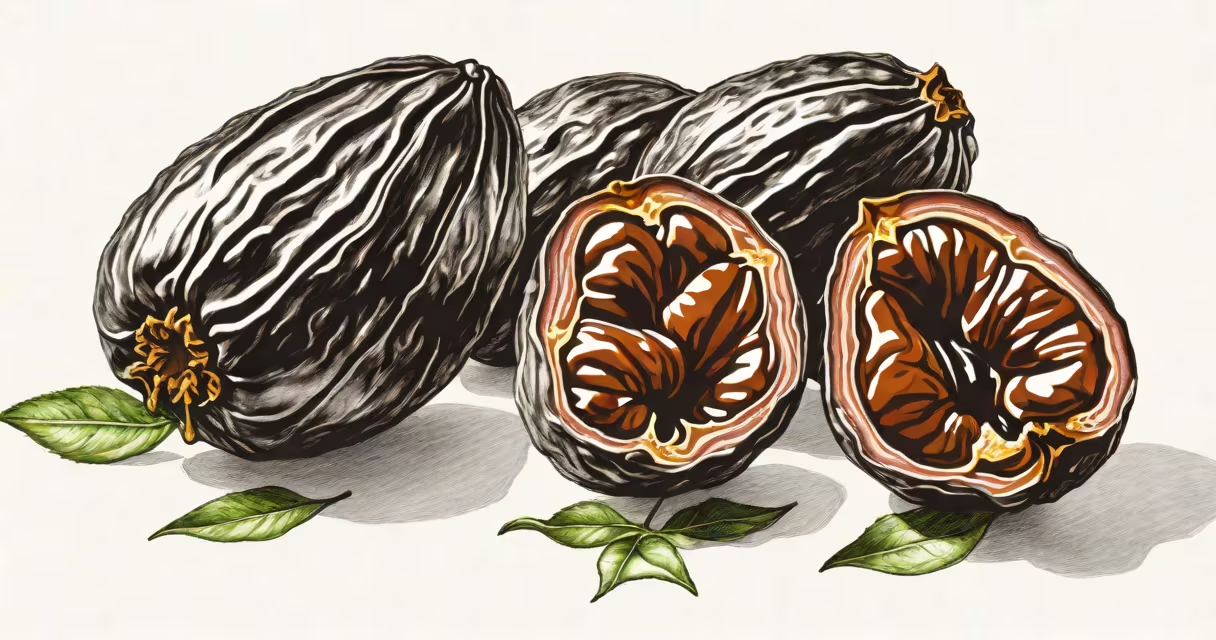
Dates are not low FODMAP. They contain high levels of fructose and sorbitol, both of which are FODMAPs that can trigger digestive symptoms in sensitive individuals.
FODMAPs are short-chain carbohydrates that ferment poorly in the gut. When consumed in excess, they draw water into the intestinal tract and feed gas-producing bacteria, leading to bloating, cramping, and diarrhea. The Monash University FODMAP app classifies dates as high FODMAP, especially in portions larger than 1 small date (about 25 grams).
Monash University's research confirms that even a single small date exceeds the safe threshold for fructose and polyol (sorbitol) content. For reference, a 100g serving of dates contains approximately 56g of total sugars, including 32g of fructose and 2.4g of sorbitol-well above the 10g fructose and 1g sorbitol limits recommended for a low FODMAP diet.
Dates are dried fruits derived from the date palm (Phoenix dactylifera). Their sweetness comes from natural sugars, primarily glucose, fructose, and sucrose. Fructose is particularly problematic because it requires specific transporters in the small intestine to be absorbed. When fructose exceeds the capacity of these transporters, it passes into the large intestine, where gut bacteria ferment it rapidly.
Sorbitol, a sugar alcohol, is also present in dates. It's poorly absorbed and draws water into the colon, contributing to loose stools. Both fructose and sorbitol are classified as FODMAPs-fructose under the "fructans" category and sorbitol under "polyols."
A 2021 study published in the journal Alimentary Pharmacology & Therapeutics found that patients with irritable bowel syndrome (IBS) experienced worse symptom scores after consuming 100g of dates compared to a placebo group, confirming the clinical impact of date consumption on gut health.
All common varieties of dates-Medjool, Deglet Noor, Poom, and others-contain similar FODMAP profiles. The ripeness and moisture content affect sugar concentration, but not the fundamental FODMAP risk. Even fresh dates (which are less concentrated than dried ones) remain high in fructose and sorbitol.
| Type | Portion Size | FODMAP Status | Notes |
|---|---|---|---|
| Medjool | 1 small (25g) | High | Contains 8g fructose and 0.6g sorbitol |
| Medjool | ½ medium (50g) | Very High | Exceeds daily fructose limit |
| Any variety | 100g | Extremely High | Over 30g fructose and 2g sorbitol |
Even a single small date exceeds the recommended daily intake of fructose (10g) and sorbitol (1g) for most people following a strict low FODMAP diet. This makes dates unsuitable during the elimination phase of the diet.
Many assume that because dates are natural and whole, they're automatically safe for a low FODMAP diet. This is incorrect. Natural doesn't equate to low FODMAP. Honey, agave syrup, and certain fruits like mangoes and apples are also natural but high in FODMAPs.
Another misconception is that dried fruits are lower in FODMAPs than fresh ones. In reality, drying concentrates sugars. A 100g serving of fresh dates contains about 20g of sugar; the same weight of dried dates contains over 60g. The FODMAP content increases proportionally.
One non-obvious fact: the FODMAP score of dates does not improve with cooking or blending. Heating does not break down fructose or sorbitol. A date smoothie or baked date treat still triggers symptoms in FODMAP-sensitive individuals.
For sweeteners and fruit substitutes, consider low FODMAP options such as maple syrup (1 tbsp = 1 FODMAP serving), bananas (small, green), strawberries, blueberries, and cherries (up to ½ cup). These provide sweetness without triggering digestive distress.
For texture and chewiness, try dried apricots (1 small piece, ≤10g) or low FODMAP energy balls made with oats, sunflower seeds, and coconut flakes. These mimic the mouthfeel of dates without the FODMAP load.
I once tried substituting dates in a gluten-free energy bar recipe with mashed banana and a splash of maple syrup. The bars held together well and passed the taste test among friends who follow a low FODMAP diet. The result was satisfying and symptom-free.
After completing the elimination phase (typically 2-6 weeks), individuals may gradually reintroduce high FODMAP foods to assess tolerance. Dates are typically tested in small quantities (1 small date) during the challenge phase.
If no symptoms occur after 24 hours, the individual may tolerate small amounts. However, most people with IBS report bloating and gas within 1-2 hours of consuming a single date. Reintroduction should be done carefully and only under guidance from a registered dietitian familiar with the low FODMAP protocol.
For those who wish to enjoy date-like flavor without the FODMAP burden, consider using date paste made from dried dates blended with water-but use only a teaspoon per serving, and track symptoms closely.
Always check ingredient labels. Some commercial jello products contain high-fructose corn syrup or artificial sweeteners like erythritol, which can be high in FODMAPs.
Dates are not low FODMAP. Their high fructose and sorbitol content make them unsuitable for most people managing IBS or other functional gastrointestinal disorders through dietary modification. Always refer to the Monash University FODMAP app for updated food classifications.