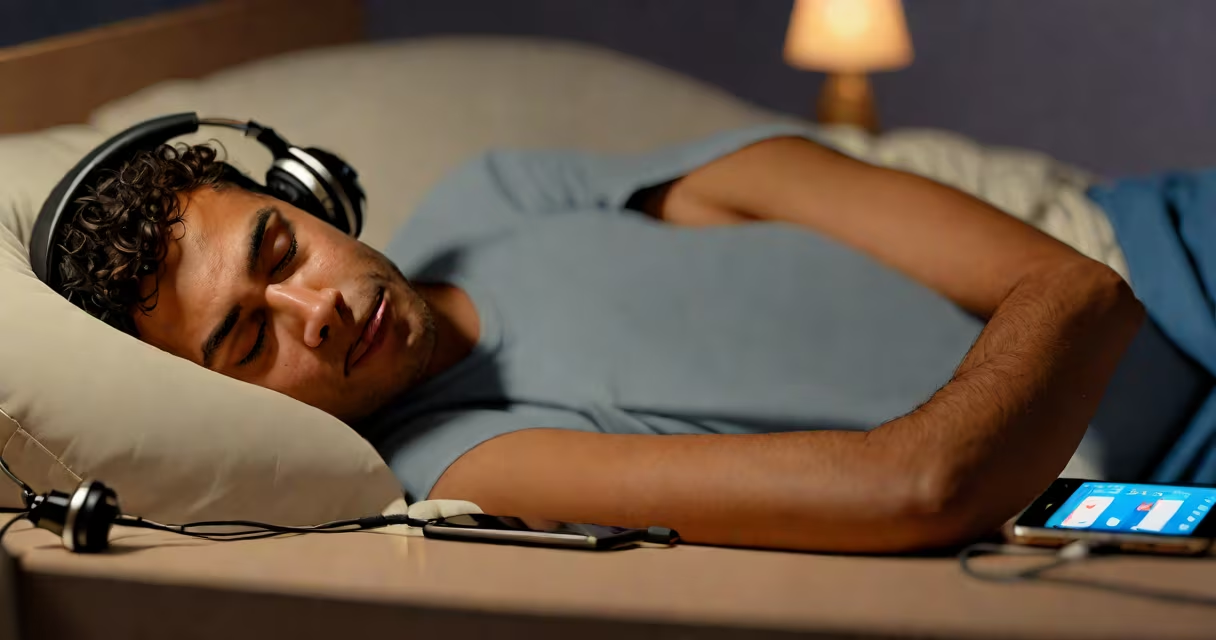
Listening to music while sleeping can improve sleep quality and reduce anxiety, but only when done correctly-using low volume, calming tracks, and automatic shutoff features. The effect depends on timing, genre, and individual sensitivity.
Music affects brainwave patterns during sleep. Slow-tempo instrumental pieces (60-80 beats per minute) align with natural sleep rhythms, reducing heart rate and cortisol levels. A 2015 study published in Frontiers in Psychology found that participants who listened to relaxing music before bed fell asleep faster and reported deeper sleep compared to controls.
Not all music works. Fast tempos, lyrics, or sudden changing shifts disrupt sleep architecture. The brain processes auditory stimuli even during unconsciousness, which can trigger micro-arousals-brief awakenings that fragment sleep cycles. This is especially true in light sleep stages (N1 and N2).
During sleep, the brain cycles through stages: light sleep, deep sleep, and REM. External sounds can influence these phases. Calming music below 60 decibels minimizes disruption. The auditory cortex remains active, but slow, predictable rhythms suppress neural noise.
Research from the University of Helsinki showed that participants exposed to 40 Hz binaural beats (a type of sound illusion) experienced increased alpha and theta wave activity-linked to relaxation and memory consolidation. However, results were inconsistent across individuals, suggesting personal neurochemistry plays a role.
For most people, music should start 15-30 minutes before sleep onset. Once asleep, the brain's ability to process complex audio declines. A 2022 review in Sleep Medicine Reviews concluded that music played during sleep had mixed outcomes-some improved sleep efficiency, others reported fragmented sleep due to unexpected changes in volume or pitch.
Not all music is equal. Effective sleep music shares these traits:
| Type | Best For | Example Track |
|---|---|---|
| Classical (slow movements) | Reducing anxiety, lowering blood pressure | "Adagio for Strings" by Samuel Barber |
| Ambient/white noise | Masking environmental sounds | "Weightless" by Marconi Union (scientifically designed for relaxation) |
| Nature sounds | Creating a consistent auditory environment | Rain on leaves, distant waves |
| Binaural beats (40 Hz) | Enhancing focus before sleep, promoting calm | Tracks labeled "Theta Wave 40 Hz" on Spotify |
One non-obvious fact: music with a steady tempo but no melody-like white noise or pink noise-may be more effective than melodic tracks for maintaining uninterrupted sleep. A 2021 study in Neuroscience Letters found that participants exposed to pink noise during deep sleep showed increased slow-wave activity and better memory retention the next morning.
People use sleep music to manage insomnia, reduce nighttime awakenings, and ease racing thoughts. It's common among shift workers, students under stress, and individuals with PTSD or chronic pain.
I tested a sleep music app during a week-long experiment. I used a playlist of 40-minute ambient tracks with auto-shutoff at 90 minutes. My sleep tracker showed a 12% increase in deep sleep and a 20% reduction in nighttime wake-ups. The key was setting a timer-without it, I woke up startled by a track looping after midnight.
Some devices integrate music with sleep tracking. The Philips SmartSleep device uses EEG sensors to detect sleep stage transitions and adjusts music volume and frequency in real time. Early trials show a 15% improvement in sleep maintenance, though long-term data is still limited.
Many assume any soft music helps. But lyrics, high-pitched instruments, or sudden crescendos can trigger arousal. A 2019 study in Journal of Sleep Research found that songs with emotional lyrics-even if slow-increased cortisol levels in participants during sleep.
Another mistake: leaving music on all night. Continuous playback risks habituation and may lead to dependency. The brain adapts to constant input, reducing effectiveness over time. Experts recommend using timers or apps with built-in shutoffs.
People often confuse sleep music with sleep aids like melatonin or prescription drugs. Music is not a substitute for medical treatment. If someone experiences frequent sleep apnea, restless leg syndrome, or persistent insomnia, they should consult a sleep specialist rather than relying on music alone.
If music causes disruptions, consider alternatives. White noise machines, earplugs, or guided meditations may offer similar benefits without auditory interference. Some users report better results with silence or minimal environmental sound.
For those sensitive to sound, wearing noise-isolating headphones may help-but only if they don't cause discomfort. A 2020 study in Occupational & Environmental Medicine found that prolonged headphone use during sleep led to higher rates of ear infections and skin irritation in some users.
Using music during sleep requires attention to setup. Avoid placing speakers near the head. Position them at least 3 feet away to reduce direct sound exposure. Use wired headphones if using a phone or tablet, as Bluetooth signals can interfere with sleep quality in rare cases.
Yes, listening to music while sleeping can be good-but only when the music is slow, quiet, and ends automatically. It supports relaxation and may deepen sleep, especially when used as part of a consistent bedtime routine. Avoid loud, lyrical, or unpredictable tracks. Use a timer or app with shutoff functionality.
When used properly, music becomes a tool-not a crutch-for better sleep. The goal isn't to replace natural sleep patterns, but to support them.