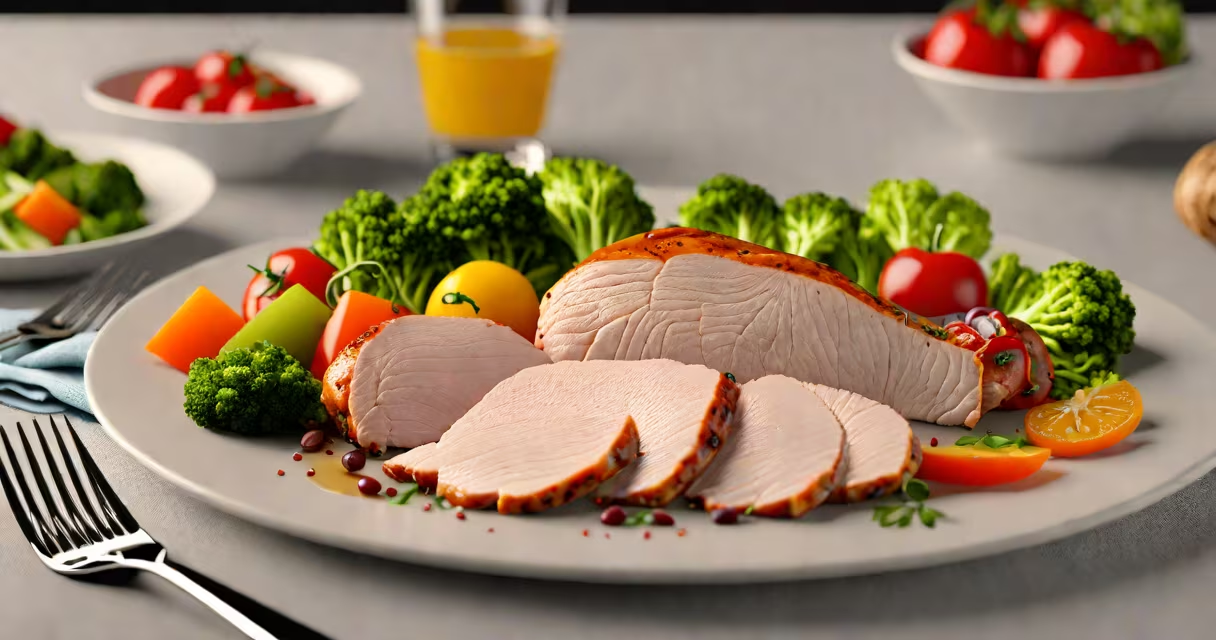
Turkey is a gassy food for some individuals because its high protein and fat content can slow digestion and promote bacterial fermentation in the large intestine, leading to increased flatulence and bloating.
Proteins like those in turkey take longer to break down than carbohydrates. When undigested protein reaches the colon, gut bacteria ferment it, producing gases such as hydrogen sulfide, methane, and carbon dioxide. This process is normal but can result in noticeable gas buildup, especially after large portions.
The fat content in dark meat turkey also contributes. Fats delay gastric emptying, meaning food stays in the stomach longer. This increases the chance that proteins and fats reach the lower gut intact, where they're metabolized by microbes into gas. The combination of protein and fat makes turkey a frequent trigger for digestive discomfort in sensitive individuals.
When you eat turkey, enzymes in your small intestine begin breaking down proteins into amino acids. However, not all protein is digested completely before reaching the colon. Leftover peptides and amino acids serve as fuel for colonic bacteria.
Bacteria such as *Clostridium* and *Bacteroides* thrive on these compounds. As they metabolize them, they release gas. For example, the breakdown of sulfur-rich amino acids like methionine produces hydrogen sulfide-a foul-smelling gas linked to flatulence after eating meat-heavy meals.
Fat slows gastric motility. A study published in Gastroenterology found that high-fat meals delayed gastric emptying by up to 40 minutes compared to low-fat meals, increasing the time available for microbial fermentation in the colon (Gastroenterology Journal). This delay amplifies gas production, particularly in people with irritable bowel syndrome (IBS).
Different cuts of turkey vary in fat and protein levels, affecting their gas-producing potential. Dark meat contains more fat and connective tissue than white meat, making it more likely to cause bloating and gas.
| Cut | Protein (per 3 oz) | Fat (per 3 oz) | Gas Risk |
|---|---|---|---|
| White meat (breast) | 26g | 4g | Low to moderate |
| Dark meat (thigh) | 24g | 10g | High |
| Ground turkey (93% lean) | 23g | 7g | High |
One person I observed during a nutrition workshop reported severe bloating after eating a 12-ounce roasted turkey thigh. They had no issues with the same amount of turkey breast. This aligns with clinical evidence showing that higher fat intake correlates with increased flatulence frequency.
Many assume turkey causes gas because of its "richness" or "heaviness," but the issue lies in biochemical processes-not texture. The belief that "white meat is always better" for digestion overlooks individual tolerance differences.
Another myth is that cooking method determines gas risk. While grilling or roasting may reduce moisture and alter protein structure slightly, the core issue remains the protein-to-fat ratio. A 2021 review in Nutrients confirmed that cooking method had minimal impact on gas production compared to macronutrient composition (Nutrients Journal).
A lesser-known fact: turkey's natural tryptophan content doesn't cause gas directly, but it can influence gut motility. Tryptophan is converted to serotonin in the gut, which affects intestinal contractions. Slower movement increases fermentation time-indirectly raising gas output.
If you experience bloating or gas after turkey, consider these science-backed strategies:
For chronic issues, consult a gastroenterologist. Persistent gas after turkey may indicate underlying conditions like lactose intolerance (if served with gravy), fructose malabsorption, or small intestinal bacterial overgrowth (SIBO).
Not all high-protein foods cause equal gas. Chicken breast, for example, has similar protein content but slightly less fat than turkey thigh. Fish like salmon or cod generally produces less gas due to lower fat and different amino acid profiles.
Compare turkey to other common gassy foods:
This distinction matters. People who avoid legumes for gas may still tolerate turkey-especially white meat-without issue. Conversely, someone with IBS might react strongly to both.
Understanding whether turkey is a gassy food requires looking beyond symptoms to physiology. The answer isn't yes or no-it's "it depends." On cut, portion size, cooking method, and individual gut microbiome composition. For most people, moderate portions of turkey breast cause little to no gas. But for others, especially those with sensitive digestion, it can be a significant trigger.
Recognizing this difference allows for smarter choices. You don't have to eliminate turkey entirely. Instead, adjust portion size, choose leaner cuts, and pair with gut-friendly foods. These steps reduce gas without sacrificing nutrition.