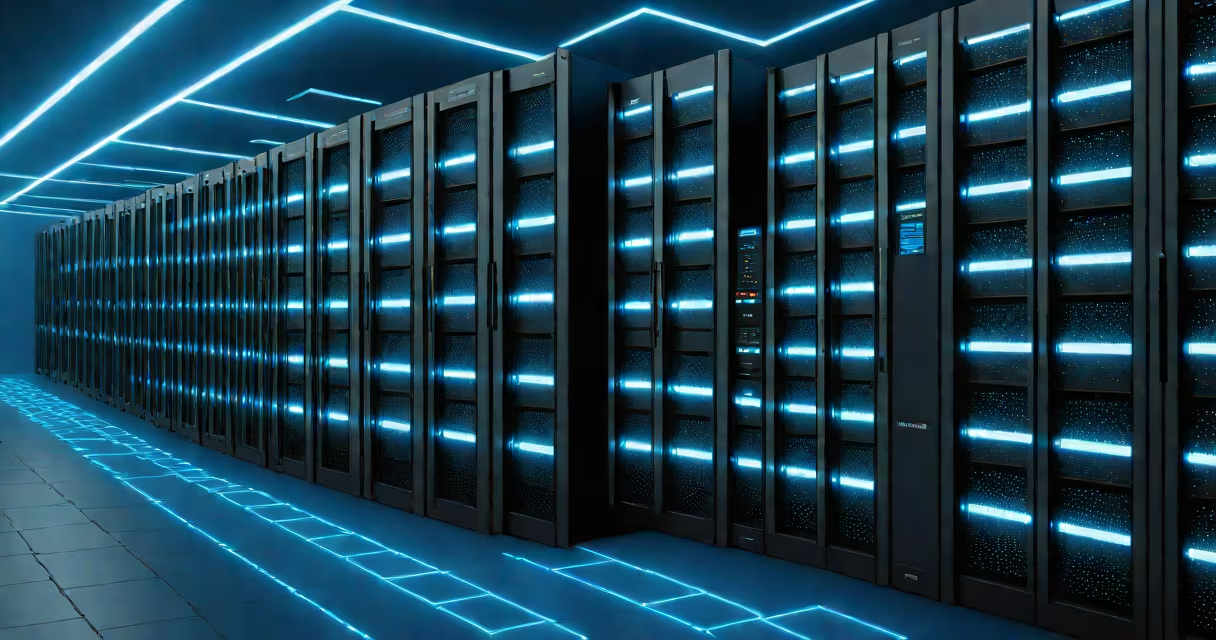
It infrastructure meaning refers to the physical and virtual components-hardware, software, networks, data centers, and cloud platforms-that enable an organization to store, process, and distribute digital information. This foundation supports everything from employee email to customer transactions and application hosting.
At its core, IT infrastructure includes servers, storage devices, networking equipment like routers and switches, operating systems, databases, and security tools. These elements work together to deliver consistent, reliable access to data and applications across departments and locations. Without stable infrastructure, digital workflows fail, systems crash, and business continuity is compromised.
For example, a hospital using electronic health records relies on servers to store patient data, firewalls to protect sensitive information, and high-speed networks to connect clinics, labs, and administrative offices. When a doctor accesses a patient's file from a tablet, the request travels through multiple layers of infrastructure-from the device's Wi-Fi to the central database-before returning results in under half a second.
It infrastructure operates through layered communication between components. Requests begin at a user's endpoint-like a laptop or smartphone-and travel through local networks to centralized servers or cloud platforms. These systems process the request, retrieve data from storage, apply security checks, and return the response along the same path.
Each layer serves a distinct function. The physical layer consists of servers, cooling systems, power supplies, and cabling. The logical layer includes operating systems, virtual machines, and containerized applications. The network layer manages traffic flow between locations using protocols like TCP/IP and DNS. The security layer enforces authentication, encryption, and monitoring to prevent breaches.
A real-world example is Amazon Web Services (AWS). When a user uploads a photo to Instagram, the image is stored across AWS data centers in multiple regions. The system automatically replicates the file for redundancy and uses load balancers to direct traffic efficiently. This entire process happens in milliseconds, powered entirely by underlying IT infrastructure.
IT infrastructure is composed of several interdependent parts. The table below outlines major categories and their roles:
| Component | Function | Example |
|---|---|---|
| Hardware | Physical devices that run software and process data | Servers, routers, SSDs, network switches |
| Software | Operating systems, databases, middleware | Windows Server, Oracle DB, Kubernetes |
| Networks | Connections enabling data transfer between systems | LANs, WANs, Wi-Fi, fiber optic lines |
| Data Centers | Facilities housing servers and supporting infrastructure | Equinix data centers, Google Cloud regions |
| Cloud Platforms | Remote computing resources accessed via internet | AWS, Microsoft Azure, Google Cloud Platform |
Infrastructure can be categorized by deployment model. On-premises infrastructure runs within a company's own buildings, giving full control but requiring capital investment. Cloud-based infrastructure-hosted by third parties-offers scalability and lower upfront costs. Hybrid models combine both, allowing organizations to keep sensitive data on-site while offloading less critical workloads to the cloud.
According to Gartner, 80% of enterprises moved at least part of their IT infrastructure to the cloud by 2023, citing reduced downtime and faster scaling as key drivers. This shift doesn't eliminate the need for internal IT teams-it changes their role from managing hardware to overseeing cloud configurations, security policies, and integration workflows.
Many people confuse IT infrastructure with IT services or software applications. For instance, a CRM tool like Salesforce is a service built *on* infrastructure, not the infrastructure itself. Similarly, a website hosted on WordPress isn't infrastructure-it's an application running atop it.
Another frequent error is equating infrastructure with "technology." Not all tech is infrastructure. A mobile app, a social media platform, or even a video conferencing tool are digital products, not foundational systems. Infrastructure enables them, but isn't synonymous with them.
A lesser-known distinction: infrastructure includes both operational and strategic elements. Operational infrastructure covers day-to-day systems like email servers and backup systems. Strategic infrastructure involves long-term planning-such as designing a disaster recovery site or selecting a global CDN provider. The latter ensures resilience during outages, which is often overlooked until a failure occurs.
I once oversaw a migration from legacy on-prem servers to AWS for a regional bank. The team assumed moving files was enough. But we discovered missing network ACL rules and unpatched VM images that exposed customer data. Only after auditing the full stack-including firewall configurations and IAM roles-did we achieve compliance. That experience taught me that infrastructure isn't just about connectivity-it's about trust, consistency, and oversight.
Organizations depend on IT infrastructure to maintain operations, ensure regulatory compliance, and scale during demand spikes. A single outage in a payment processing system can halt sales for hours. A misconfigured firewall can expose thousands of customer records.
For example, in 2021, a misconfiguration in a cloud storage bucket led to the exposure of 100 million records from a U.S. healthcare provider. The breach wasn't due to hacking-it was caused by poor infrastructure management. This incident underscores that infrastructure security is not optional; it's foundational.
Standards from NIST (National Institute of Standards and Technology) emphasize that infrastructure must be designed with security embedded at every level. Their Cybersecurity Structure recommends continuous monitoring, automated patching, and strict access controls-all part of responsible infrastructure management.
When evaluating IT infrastructure meaning, remember: it's not a single system. It's a changing system of interconnected parts that must be maintained, updated, and monitored continuously. Its success isn't measured by uptime alone-it's judged by how well it supports business goals, protects data, and adapts to change.
Understanding it infrastructure meaning helps clarify who owns what in digital operations. It's not just for engineers. Executives, finance teams, and legal departments all need to grasp its scope to make informed decisions about risk, budget, and growth.