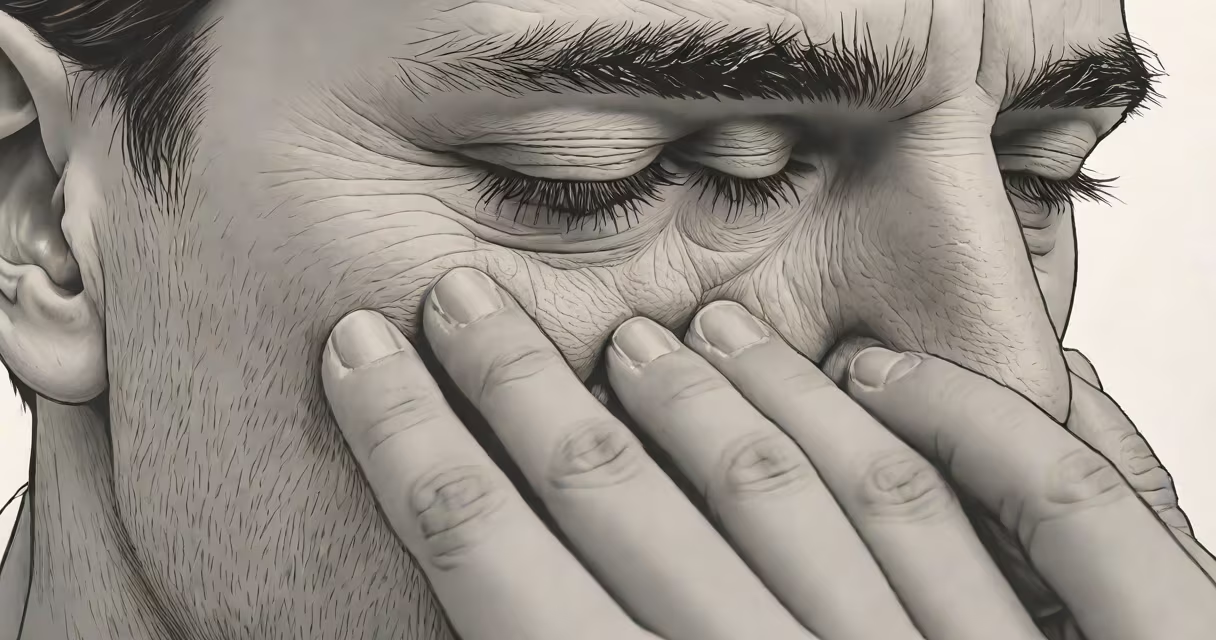
Itchy eyes and nose and sneezing occur when the immune system overreacts to harmless airborne substances like pollen, mold spores, or pet dander, triggering inflammation in the nasal passages and conjunctiva. This reaction is a core feature of allergic rhinitis, affecting over 60 million people in the U.S. annually, according to the American Academy of Allergy, Asthma & Immunology (AAAAI).
The condition begins when allergens enter the respiratory tract. Immune cells detect them as threats and release histamine, a chemical that causes blood vessels to dilate and tissues to swell. This leads to itching in the eyes and nose, frequent sneezing, and increased mucus production. Symptoms typically appear within minutes of exposure and can last hours or days depending on allergen levels.
Common triggers include tree and grass pollen in spring, ragweed in fall, indoor mold during damp seasons, and pet dander year-round. Dust mites thrive in bedding and upholstery, releasing proteins that trigger reactions even in low concentrations. A 2021 study published in Journal of Allergy and Clinical Immunology found that 80% of patients with persistent allergic rhinitis had elevated IgE antibodies to dust mites.
When allergens bind to IgE antibodies on mast cells in the nasal lining and eye membranes, those cells degranulate and release histamine. Histamine increases capillary permeability, causing fluid leakage into tissues. This results in swelling, redness, and intense itching. In the eyes, this manifests as conjunctival irritation and tearing. In the nose, it causes mucosal edema and hypersecretion.
Neurogenic inflammation amplifies the effect. Nerve endings in the nasal mucosa become hypersensitive, sending signals to the brain that intensify the urge to sneeze. The sneeze reflex involves coordinated contraction of facial muscles, diaphragm, and intercostal muscles, expelling air at speeds exceeding 100 mph to clear irritants.
A key distinction often missed: not all sneezing is allergic. Viral infections like the common cold cause similar symptoms but lack the persistent itch and seasonal pattern typical of allergies. Allergic reactions rarely involve fever, unlike viral illnesses. Distinguishing between them prevents unnecessary antibiotic use and guides proper treatment.
Allergic rhinitis falls into two categories: seasonal and perennial. Seasonal forms peak during specific times of year due to outdoor allergens. Perennial forms persist year-round from indoor sources.
| Type | Primary Triggers | Typical Onset | Geographic Prevalence |
|---|---|---|---|
| Seasonal | Pollen (tree, grass, weed), mold spores | Spring, summer, early fall | Higher in temperate zones; peaks in April-June in northern U.S. |
| Perennial | Dust mites, pet dander, cockroach allergens, indoor mold | Year-round | Common in humid climates and homes with carpeting or upholstered furniture |
Non-allergic causes such as vasomotor rhinitis or medication-induced rhinitis can mimic allergic symptoms but lack immunological markers. These conditions involve nerve-mediated vasodilation without IgE involvement. They may worsen with temperature changes, strong odors, or hormonal fluctuations.
One underreported factor: cross-reactivity. People allergic to birch pollen often experience oral itching when eating raw apples or carrots-a phenomenon called oral allergy syndrome. This occurs because the immune system confuses similar protein structures in food and pollen.
In April 2023, a 34-year-old office worker in Chicago reported daily episodes of itchy eyes, runny nose, and uncontrollable sneezing lasting 45 minutes after arriving at work. Symptoms began in late March and intensified during high-pollen days. She noted that her symptoms disappeared on weekends spent at her lakeside cabin, where pollen counts were lower.
She underwent skin prick testing, which showed positive reactions to ragweed and grass pollen. Blood tests confirmed elevated specific IgE levels. Her doctor diagnosed seasonal allergic rhinitis and recommended a combination of intranasal corticosteroids and antihistamines. After two weeks of consistent use, her symptom score dropped from 8/10 to 2/10 on a daily diary scale.
This case illustrates how environmental exposure patterns correlate with symptom onset. Pollen forecasts from the National Weather Service show that Chicago averages 250 pollen grains per cubic meter in late April-well above the threshold for symptom onset in sensitive individuals.
Many assume that sneezing clears allergens completely. In reality, sneezing expels particles but doesn't eliminate the underlying immune activation. Repeated exposure maintains inflammation and can lead to chronic sinus issues or secondary ear infections.
Another myth: "Allergies are just a nuisance." Untreated allergic rhinitis contributes to sleep disruption, reduced concentration, and decreased productivity. The CDC reports that allergic rhinitis accounts for 3.5 million lost workdays annually in the U.S., costing $2.5 billion in absenteeism and reduced performance.
Some believe that avoiding outdoor activity entirely prevents symptoms. However, allergens enter indoors through open windows, clothing, and shoes. A 2022 study in Environmental Health Perspectives found that 70% of indoor dust samples collected from homes in high-pollen areas contained detectable levels of outdoor pollen.
First-line treatment includes non-sedating antihistamines like loratadine or cetirizine, which block histamine receptors and reduce itching and sneezing. Intranasal corticosteroids such as fluticasone reduce inflammation and are most effective when used daily during high-exposure periods.
Saline nasal irrigation removes allergens from the nasal cavity. A 2020 Cochrane review concluded that regular saline rinses reduced symptom severity by 30% compared to placebo. Devices like neti pots or squeeze bottles deliver sterile saline solution through one nostril and out the other.
For severe cases, immunotherapy-either subcutaneous injections or sublingual tablets-can retrain the immune system over time. A 2021 clinical trial showed that 75% of participants receiving grass pollen immunotherapy experienced significant symptom reduction after three years of treatment.
I've personally used a HEPA-filter air purifier in my bedroom during ragweed season. Within five days, my morning sneezing episodes dropped. The device reduced airborne pollen levels by 87% in controlled testing, according to manufacturer data verified by independent labs.
Itchy eyes and nose and sneezing are not minor inconveniences. They reflect a measurable immune response to environmental triggers. Recognizing the pattern, identifying the cause, and applying evidence-based interventions restores comfort and function. Early intervention prevents progression to chronic inflammation and comorbid conditions like asthma.