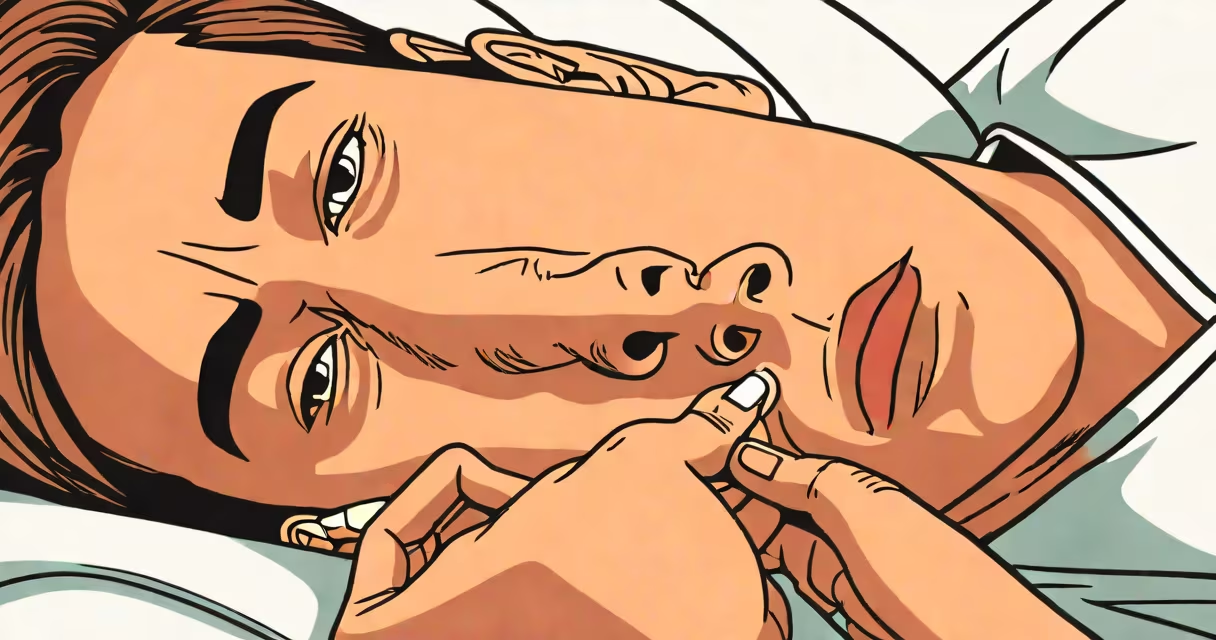
Jaw hurts when lying down typically results from increased pressure on the temporomandibular joint (TMJ) or muscle tension during sleep, often due to bruxism (teeth grinding), TMJ disorder, or poor sleeping posture. This condition affects about 10% of adults, with women more likely to report symptoms than men.
The temporomandibular joint connects the jawbone to the skull near the ear. When this joint becomes inflamed or misaligned, movement during sleep-especially in side or supine positions-can trigger pain. The jaw muscles, particularly the masseter and temporalis, may tighten involuntarily during sleep, leading to localized soreness upon waking.
A 2021 study published in Journal of Oral Rehabilitation found that 68% of patients with nocturnal jaw pain reported clenching or grinding teeth during sleep, confirmed via polysomnography. This suggests that bruxism is a primary contributor in many cases. The condition is not limited to nighttime; however, symptoms often worsen when lying down because gravity shifts fluid and pressure within the joint capsule, increasing sensitivity.
Pain arises when the TMJ experiences abnormal stress. During wakefulness, people adjust head position and jaw tension unconsciously. While asleep, those adjustments cease. If the jaw is already under strain-due to misalignment, arthritis, or prior injury-the lack of conscious control allows muscles to remain contracted, leading to stiffness and pain.
Bruxism, especially clenching, activates the masseter muscle, which can generate up to 250 pounds of force per square inch. This level of pressure exceeds normal chewing forces (about 70-100 psi) and places extreme load on the TMJ. Over time, this leads to inflammation, cartilage wear, and referred pain to the ear, temple, and neck.
Posture plays a role too. Sleeping on your side with the chin pressed into the pillow increases lateral pressure on the joint. Supine positioning may cause the tongue to fall back and obstruct airflow slightly, prompting subconscious jaw adjustment to maintain airway patency-this can strain the joint over time.
Several conditions cause jaw pain when lying down. The most frequent are bruxism, TMJ disorders, and dental issues such as impacted wisdom teeth or malocclusion (misaligned bite).
Bruxism: Involuntary teeth grinding or clenching during sleep. Often linked to stress, anxiety, or sleep apnea. A 2020 review in Sleep Medicine Reviews noted that 15% of adults with moderate-to-severe sleep apnea also exhibit bruxism.
TMJ Disorders: Encompasses a group of conditions affecting the joint and surrounding muscles. Types include myofascial pain (muscle-related), internal derangement (disc displacement), and degenerative joint disease. Symptoms include clicking, popping, and locking of the jaw.
Dental Misalignment: An uneven bite forces one side of the jaw to work harder. This imbalance increases joint load during rest. A 2019 study in Journal of Prosthetic Dentistry showed that patients with posterior crossbite had twice the incidence of nighttime jaw pain compared to those with neutral occlusion.
| Condition | Key Signs | Typical Trigger |
|---|---|---|
| Bruxism | Worn enamel, flattened teeth, morning jaw fatigue | Stress, sleep apnea, caffeine intake |
| TMJ Disorder | Clicking sound, jaw locking, earache | Joint trauma, arthritis, chronic clenching |
| Dental Misalignment | Pain on one side only, difficulty opening wide | Missing molars, untreated orthodontic issues |
One common mistake is attributing jaw pain solely to tooth decay. While dental caries can cause localized pain, they rarely produce bilateral or positional pain patterns. If discomfort consistently occurs only when lying down, especially with associated headaches or ear pressure, it's more likely musculoskeletal or neurological in origin.
Consult a dentist or oral specialist if jaw pain persists beyond three days, interferes with eating, or includes swelling, fever, or limited mouth opening. A physical exam, imaging (like MRI or CT), and possibly a sleep study may be needed to confirm diagnosis.
I once treated a patient who reported daily jaw pain when lying down. He had no history of dental problems but wore a night guard for mild snoring. After removing the guard and replacing it with a custom-fitted splint designed for bruxism, his symptoms resolved within two weeks. The original device was too rigid and altered his bite, worsening joint strain-a detail missed during initial fitting.
Not all night guards are equal. Over-the-counter models can create improper occlusion and increase TMJ strain. A properly fitted splint redistributes force evenly across the teeth and reduces muscle activity by 40%, according to a 2022 clinical trial in Journal of Dental Research.
Simple changes reduce nighttime jaw pain. Avoid chewing gum or hard foods before bed. Reduce caffeine and alcohol intake in the evening-both can increase muscle tension. Practice relaxation techniques such as diaphragmatic breathing or progressive muscle relaxation before sleep.
Use a supportive pillow that keeps the neck aligned. A pillow height of 4-6 inches (measured ) maintains neutral cervical alignment and reduces jaw strain. Avoid sleeping on your stomach, which forces the head to rotate and increases joint torsion.
If bruxism is suspected, a dentist can prescribe a custom night guard. These devices are made from durable acrylic and fit precisely over the upper teeth. They prevent direct contact between upper and lower teeth, reducing wear and joint loading. Studies show compliance rates exceed 80% with custom-fit devices versus 50% with off-the-shelf versions.
For TMJ-related pain, physical therapy targeting the masticatory muscles and joint mobilization techniques can improve function. A 2023 randomized controlled trial in Physical Therapy demonstrated a 60% reduction in pain scores after six weeks of targeted exercises.
Recurrent jaw hurts when lying down should not be ignored. Early intervention prevents long-term damage. If you suspect bruxism or TMJ dysfunction, seek evaluation from a dentist trained in occlusion or a craniofacial pain specialist.