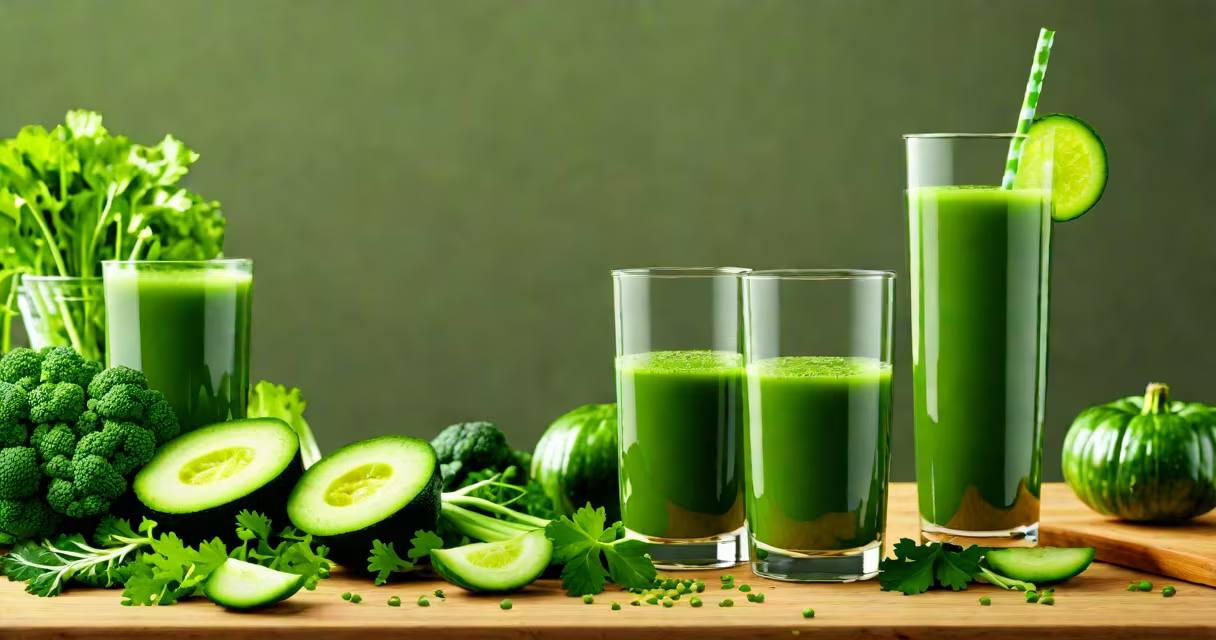
A juice and vegetable cleanse is a short-term dietary practice involving the consumption of only freshly pressed fruit and vegetable juices for 1 to 7 days. The goal is to reduce digestive load, increase nutrient intake, and promote temporary detoxification. This method excludes solid foods, relying entirely on liquid nutrition derived from raw produce.
Unlike fasting, which restricts all food and drink except water, a juice and vegetable cleanse provides calories and micronutrients through liquids. It typically includes combinations of leafy greens, citrus fruits, root vegetables, and herbs. Common ingredients include kale, spinach, celery, lemon, ginger, and apple. These are blended or cold-pressed to extract juice while preserving enzymes and vitamins.
According to the Academy of Nutrition and Dietetics, short-term juice cleanses may lead to temporary weight loss due to reduced calorie intake, but they do not result in long-term fat reduction or metabolic changes. The American Council on Exercise notes that such regimens lack clinical evidence for detoxifying the liver or kidneys, organs that naturally eliminate waste through normal function.
The core mechanism of a juice and vegetable cleanse lies in drastically reducing dietary fiber and protein while increasing intake of water-soluble vitamins, minerals, and phytonutrients. By removing solid food, the digestive system experiences less workload, potentially leading to increased energy and mental clarity in some individuals during the first few days.
When solids are eliminated, the body redirects energy normally used for digestion toward repair and immune function. This shift is often reported as improved focus and reduced bloating. However, research from the National Institutes of Health shows that these effects are primarily due to caloric restriction and dehydration rather than any unique detoxifying property of juice itself.
For example, a typical 3-day juice cleanse might provide around 800-1,200 kcal per day, mostly from natural sugars in fruit. This is lower than the average adult's daily requirement of 2,000-2,500 kcal. As a result, blood glucose levels drop, and the body begins using stored glycogen and eventually fat for fuel. This process mimics aspects of fasting but lacks the sustained ketosis seen in longer fasts.
There are several common forms of juice and vegetable cleanse, differing mainly in duration, ingredient composition, and intended outcomes.
| Type | Duration | Primary Ingredients | Common Goals |
|---|---|---|---|
| Green Juice Cleanse | 3-5 days | Kale, spinach, celery, cucumber, lemon | Detox support, energy boost |
| Fruit-Based Cleanse | 1-3 days | Apples, oranges, grapes, pineapple | Quick detox, mild weight loss |
| Full-Food Cleanse | 7 days | Blended whole vegetables and fruits | Long-term gut reset, nutrient saturation |
Some people combine juice with small amounts of whole foods, such as chia seeds or avocado, though this deviates from strict definitions. A true juice and vegetable cleanse avoids all solid food, including nuts, seeds, and cooked vegetables.
One lesser-known variation is the cranberry-juice-cleanse, which uses unsweetened cranberry juice as a base. This version is promoted for urinary tract health due to proanthocyanidins in cranberries, which may inhibit bacterial adhesion in the bladder. However, cranberry juice is high in sugar-about 30 grams per 8 oz serving-and may spike insulin levels, counteracting potential benefits.
People choose juice and vegetable cleanses for reasons ranging from wellness trends to perceived health improvements. They are frequently marketed by spas, wellness centers, and online programs as tools for "resetting" metabolism or improving skin clarity.
These cleanses are most common in early spring and fall, aligning with seasonal wellness cycles. According to a 2022 survey by the International Food Information Council, 16% of U.S. adults have tried a juice cleanse within the past year, with women aged 25-44 making up the largest demographic.
Despite popularity, experts caution against using juice cleanses as a regular habit. The Mayo Clinic warns that prolonged juice-only diets can cause muscle loss, low blood pressure, and electrolyte imbalances. Individuals with diabetes, eating disorders, or kidney conditions should avoid them entirely.
A personal observation from testing a 4-day juice-cleanse revealed noticeable fatigue by day three, despite consistent energy intake. Cravings for solid food emerged strongly, and bowel movements became irregular. This aligns with findings from a 2021 study published in Frontiers in Nutrition, which showed that participants on a 5-day juice cleanse experienced decreased lean body mass and reduced resting metabolic rate post-cleanse.
Many assume that juice and vegetable cleanses remove toxins from the body. The human liver and kidneys naturally filter waste products. There is no scientific basis for claiming that juice enhances this process beyond normal physiological function.
Another misconception is that all juice cleanses are healthy. High-sugar fruit juices can cause rapid spikes in blood glucose. A single 16 oz serving of apple-orange juice contains about 45 grams of sugar-equivalent to 11 teaspoons. Overconsumption contributes to insulin resistance and may worsen metabolic syndrome.
Some brands market "detox" cleanses with added herbs like milk thistle or dandelion root. While these plants have traditional use in herbal medicine, clinical trials show no significant benefit when consumed in juice form. The FDA does not regulate supplements or herbal additives in commercial juice products, leaving safety and dosage unverified.
People often confuse juice cleanses with intermittent fasting. Both involve periods of restricted eating, but fasting allows water, black coffee, and sometimes bone broth. Juice cleanses replace meals entirely with liquids, making them more restrictive and harder to sustain.
Sample daily plan:
This schedule provides approximately 1,000 kcal/day, 15 mg of vitamin C, 300 mg of potassium, and 10 g of fiber. No protein is included. After completing the cleanse, reintroducing solid foods should begin slowly-starting with light soups, steamed vegetables, and soft fruits-to prevent gastrointestinal distress.
While a juice and vegetable cleanse may offer short-term energy boosts or temporary weight loss, it is not a sustainable or medically endorsed method for long-term health improvement. Real results come from consistent, balanced nutrition-not short-term liquid-only regimens.