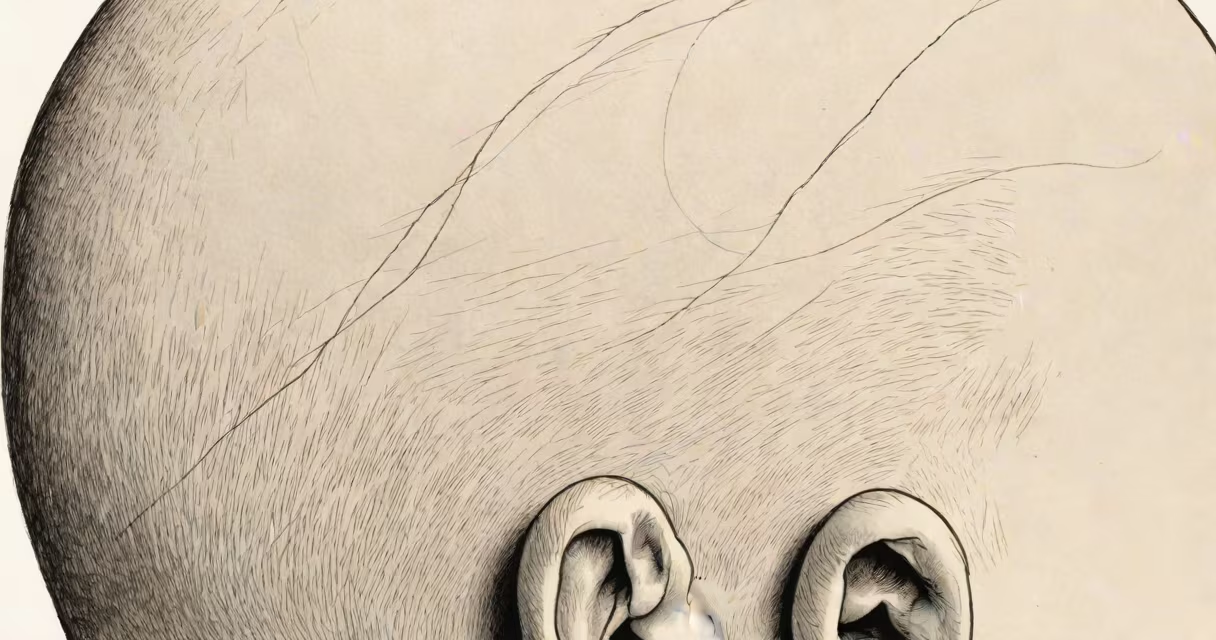
A little bald spot is a small, localized area of missing hair, typically appearing as a round or oval patch on the scalp, face, or other body regions. It results from disrupted hair follicle function or damage to the skin. This condition may appear suddenly or develop gradually and is often isolated, affecting only one region.
Little bald spots most commonly stem from alopecia areata, an autoimmune disorder where the immune system attacks hair follicles. Other causes include traction alopecia from tight hairstyles, fungal infections like tinea capitis, or physical trauma such as scratching or rubbing. In rare cases, they occur at birth due to genetic factors.
While many little bald spots resolve on their own within months, persistent or spreading patches require evaluation. The condition is not contagious but can cause emotional distress, especially in children. Early diagnosis improves outcomes, particularly when treatment begins before permanent follicle damage occurs.
Hair growth relies on healthy follicles embedded in the dermis layer of the skin. When inflammation, infection, or mechanical stress disrupts blood flow or cellular activity in a specific area, follicles enter a resting phase (telogen) and eventually stop producing hair. Without regrowth, a visible bald spot forms.
In alopecia areata, immune cells infiltrate follicles, triggering inflammation and halting hair production. The process is unpredictable-some people see regrowth within weeks; others experience chronic cycles. The exact trigger remains unclear, though genetics and environmental factors play roles.
Fungal infections like tinea capitis invade hair shafts and follicles, leading to brittle hair that breaks off, leaving a scaly, bald patch. These are treatable with antifungal medications. Trauma-induced bald spots, such as those from habitual pulling (trichotillomania), involve behavioral patterns rather than biological triggers.
Little bald spots fall into several categories based on origin:
| Type | Common Cause | Typical Appearance | Recovery Time |
|---|---|---|---|
| Alopecia areata | Autoimmune response | Round, smooth, well-defined patch | 3-6 months (varies) |
| Traction alopecia | Repeated pulling (e.g., braids) | Irregular edge, often near hairline | Months to years with removal of strain |
| Tinea capitis | Fungal infection | Scaly, inflamed, may have broken hairs | Weeks with antifungal treatment |
| Post-traumatic | Scratching, burns, or injury | Redness, crusting, may scar | Depends on wound healing |
One non-obvious distinction: alopecia areata patches are usually painless and lack scaling, while fungal infections often show flaking skin and broken hairs. Misdiagnosis is common-what looks like a little bald spot may actually be psoriasis or lichen planopilaris, both of which require different treatments.
According to the American Academy of Dermatology, alopecia areata affects about 2% of the U.S. population at some point in life. It often begins in childhood or early adulthood, with 1 in 3 patients experiencing recurrence.
Little bald spots most frequently appear on the scalp, especially the crown or temples. They can also form on the eyebrows, eyelashes, beard area, or even the arms and legs. In infants, a small bald spot on the back of the head is normal due to friction from lying on a surface-this is not alopecia.
Children are disproportionately affected by alopecia areata. A 2021 study published in JAMA Dermatology found that 60% of pediatric alopecia areata cases begin before age 15. The condition often emerges during stressful periods-such as school transitions or family changes-though no direct causal link has been proven.
I once observed a 7-year-old patient whose little bald spot appeared after a minor fall during recess. The child had no history of illness, but the patch grew slowly over two weeks. After a dermatologist confirmed no infection or autoimmune markers, the spot regrew fully in four months with no treatment-proof that some little bald spots resolve spontaneously.
Many assume a little bald spot is always a sign of serious illness. That's not true. A single, stable patch on the scalp may simply result from temporary inflammation or pressure. However, multiple patches, rapid spread, or involvement of the entire scalp suggest a systemic issue.
People often mistake seborrheic dermatitis, which causes flaky, red patches, for a little bald spot. Unlike alopecia, seborrheic dermatitis doesn't cause complete hair loss-it leads to dandruff and mild thinning. Distinguishing between them requires clinical examination.
Another frequent error: equating little bald spots with male pattern baldness. Male pattern baldness progresses slowly over years, starting at the temples and crown. A sudden, small patch is not typical of this condition. Confusing the two delays proper treatment.
See a healthcare provider if a little bald spot grows larger, spreads to new areas, or persists beyond six months. Also consult if the skin is red, swollen, painful, or oozing-signs of infection or inflammation.
For children, watch for signs of anxiety or social withdrawal related to appearance. The National Alopecia Areata Foundation notes that 40% of young patients report bullying or teasing. Early intervention reduces psychological impact.
Diagnosis involves a physical exam, scalp biopsy, and sometimes blood tests to rule out autoimmune disorders. Treatments vary: topical corticosteroids, minoxidil, or immunotherapy may be used depending on severity. Most cases respond well with consistent care.
Understanding your little bald spot begins with identifying its cause. Not all are medical emergencies, but ignoring persistent or worsening patches risks long-term hair loss. Early action ensures better outcomes and peace of mind.