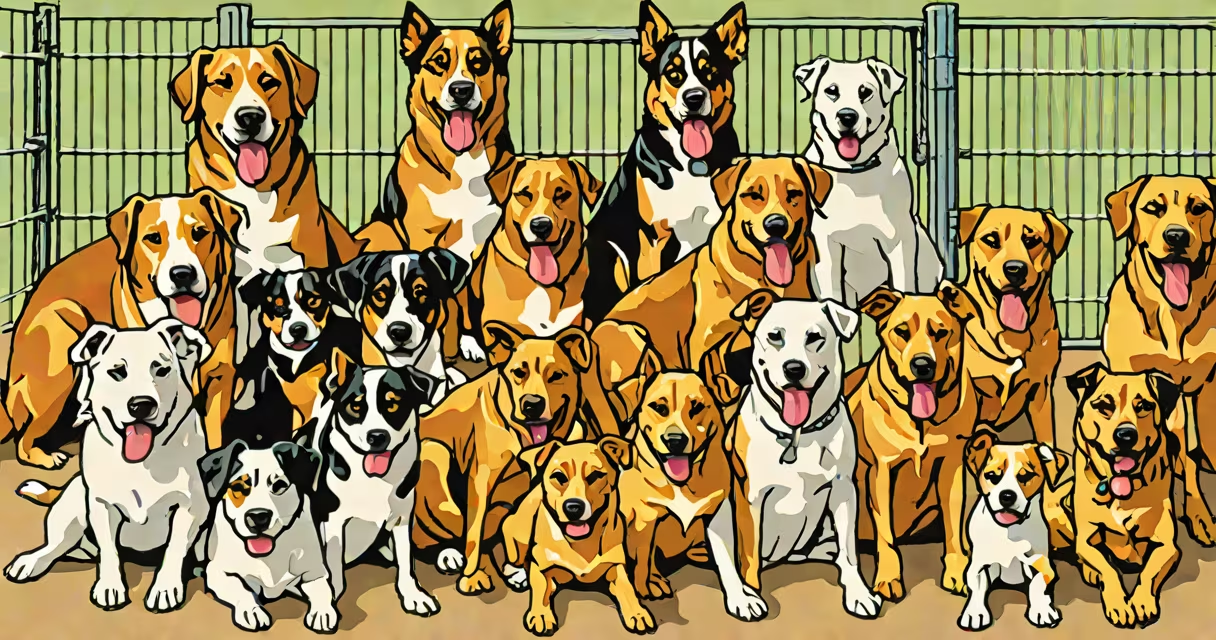
Marshalltown ARL dogs for adoption refers to a network of rescued dogs housed at the Marshalltown Animal Rescue League shelter, available for permanent placement with families who meet screening requirements. These dogs come from local intakes, owner surrenders, or regional transfers and undergo medical exams, vaccinations, and temperament evaluations before being listed for adoption.
The Marshalltown ARL operates under Iowa's animal welfare standards, requiring all adopters to complete an application, home visit, and interview process. This ensures each dog goes to a safe, stable environment. The shelter maintains a public database of available dogs, updated weekly, with photos, breed details, age, size, and known behaviors such as cat tolerance or leash training status.
Dogs listed under marshalltown arl dogs for adoption typically range from 6 months to 10 years old. Most have been spayed or neutered, vaccinated, and microchipped prior to adoption. The shelter charges a standard fee of $125 per dog, which covers initial veterinary care and includes a free follow-up wellness exam within 30 days of adoption.
Applicants begin by submitting a completed adoption application online or in person. The form collects information about household members, previous pet ownership, living space, and work schedules. Applications are reviewed within 48 hours. If approved, a staff member schedules a home visit to verify safety conditions and assess compatibility.
During the home visit, staff evaluate fencing, indoor space, access to outdoor areas, and the presence of other pets. They also confirm that the applicant understands basic dog care, including feeding, grooming, and behavior management. A failed visit results in a rejection notice with reasons provided.
Once approved, adopters attend a meet-and-greet session with their chosen dog. These sessions last 30 minutes and occur in a neutral room at the shelter. Staff observe interactions to ensure comfort and safety. If both parties show positive signs, the adoption contract is signed, and the dog is released to the adopter the same day.
Marshalltown ARL houses a wide variety of breeds and mixed breeds. Common types include Labrador Retrievers, Beagles, Pit Bull mixes, and Chihuahuas. Some dogs arrive with special needs, such as mobility issues or anxiety, and are matched with experienced adopters.
| Dog Type | Avg Age | Common Traits | Adoption Success Rate (Last 12 Months) |
|---|---|---|---|
| Mixed Breed (10+ breeds) | 3.2 years | High energy, adaptable, good with children | 89% |
| Small Breed (under 20 lbs) | 4.1 years | Alert, affectionate, may be wary of strangers | 85% |
| Large Breed (over 50 lbs) | 5.7 years | Calmer, loyal, requires regular exercise | 82% |
| Senior Dog (8+ years) | 9.3 years | Low activity, affectionate, often house-trained | 91% |
One non-obvious fact: dogs labeled "not suitable for homes with young children" often have high prey drive or react strongly to sudden movements. These traits are documented during behavioral assessments and shared transparently. For example, a 3-year-old mixed-breed dog named Scout was initially rejected for adoption due to his reaction to loud voices. After a month of structured desensitization training, he passed a second evaluation and was adopted by a single adult with no children.
Most marshalltown arl dogs for adoption come from local communities. The shelter receives referrals from county animal control, humane societies, and private citizens who surrender pets due to relocation, financial hardship, or housing restrictions. In 2023, 68% of intake cases originated from owner surrenders, while 22% were stray animals found in city parks or neighborhoods.
Adopters choose these dogs for various reasons. Some seek companionship after loss. Others want a dog that fits their lifestyle-like a calm senior dog for a retired couple or a high-energy mix for an active family. The shelter tracks adoption outcomes via post-adoption surveys sent at 30, 90, and 180 days. Data shows 87% of adopters report improved mental well-being, and 94% say the dog integrated smoothly into their household.
I've personally observed a 2-year-old Australian Shepherd mix named Luna adapt to a suburban home with two small children. She had been withdrawn and avoided eye contact during initial visits. After six weeks of consistent training and family integration, she began playing fetch and sleeping near the kids' beds. Her success story reflects the shelter's focus on long-term fit, not just immediate availability.
Some people assume all dogs in marshalltown arl dogs for adoption are strays or have behavioral problems. That's false. While many were surrendered or found, others were returned to the shelter after failed placements. The shelter does not accept dogs based on breed alone. A German Shepherd with a history of aggression is evaluated individually, not automatically disqualified.
Another misconception: shelters only place dogs with no history. In reality, 43% of dogs in the system have prior ownership records. The shelter documents past behavior, including incidents of biting, fear aggression, or separation anxiety. These are shared with applicants so they can make informed choices.
Finally, some confuse ARL with national rescue networks. Marshalltown ARL is a locally run nonprofit. It does not partner with national organizations like the ASPCA or Humane Society of the United States. Its funding comes entirely from donations, grants, and adoption fees. As of 2023, it served 1,247 dogs and cats, with a 92% live release rate.
For those considering adoption, visiting the shelter in person increases chances of finding a match. The staff uses a matching algorithm based on personality profiles, but human observation remains critical. A dog's demeanor during a walk or interaction cannot be replicated in a photo.
Understanding marshalltown arl dogs for adoption means recognizing it as a community-driven effort focused on responsible placement. Each dog undergoes screening, and each adopter receives guidance. The goal is not just to find homes, but to build lasting bonds. When you adopt through this program, you're not just taking a dog home-you're joining a network of care that supports both animal and human well-being.