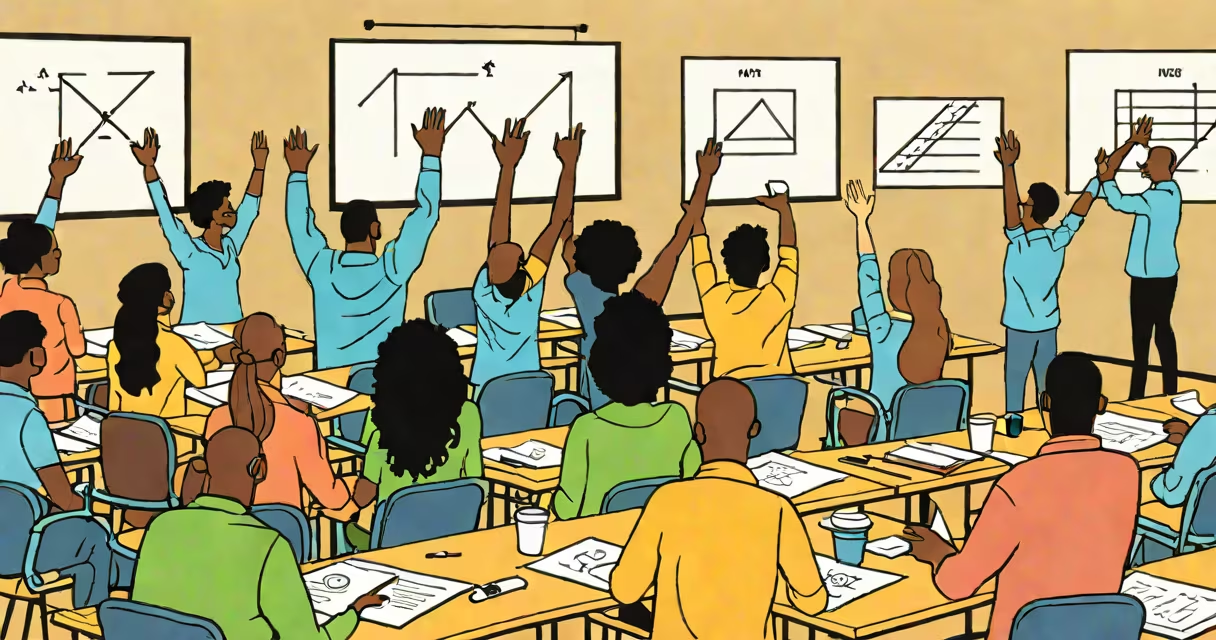
Mental health first aid courses are structured training programs that teach individuals how to identify, understand, and respond to signs of mental illness and substance use disorders during a crisis or in early stages. These courses are based on research from the National Institute of Mental Health and the World Health Organization, and they prepare participants to offer initial help until professional treatment is available.
Participants learn to assess risk of harm to self or others, provide nonjudgmental support, and guide someone toward appropriate care. The curriculum includes real-world scenarios such as a coworker showing symptoms of depression, a student experiencing panic attacks, or a friend discussing suicidal thoughts. Trainers use role-play and guided discussions to build confidence in responding under pressure.
Each course lasts between four and eight hours and is delivered by certified instructors. Participants receive a workbook, access to online resources, and a certificate upon completion. The most widely recognized version is the Mental Health First Aid USA program, developed by the National Council for Behavioral Health and the Substance Abuse and Mental Health Services Administration (SAMHSA).
These courses follow a standardized structure called the ALGEE action plan: Assess risk of suicide or harm, Listen nonjudgmentally, Give reassurance and information, Encourage professional help, and Encourage self-help strategies. This model ensures consistency across trainings and supports effective communication in high-stress situations.
For example, if someone confides in you about feeling hopeless and having thoughts of ending their life, the ALGEE steps guide you to stay calm, ask direct questions about safety, avoid minimizing their pain, and suggest reaching out to a therapist or calling a crisis hotline. You don't need to solve the problem-you just need to help them take the next step toward care.
Training sessions simulate real-life moments using case studies drawn from actual incidents reported in surveys by the National Alliance on Mental Illness (NAMI). One study found that 87% of participants felt more confident in supporting someone with mental health challenges after completing a course, and 62% reported intervening in a crisis within six months of training.
Several formats exist, tailored to different audiences and settings. The core differences lie in duration, focus, and delivery method.
| Type | Duration | Focus Area | Target Audience |
|---|---|---|---|
| Mental Health First Aid (MHFA) USA | 8 hours | General mental health conditions, suicide, psychosis | Adults, educators, community members |
| Youth MHFA | 8 hours | Adolescent-specific issues: anxiety, depression, eating disorders | Teachers, parents, youth workers |
| Workplace MHFA | 6-8 hours | Stress, burnout, team dynamics, disability accommodations | HR staff, managers, employees |
| Peer Support MHFA | 4 hours | Supporting peers with lived experience | Individuals with personal recovery journeys |
While all versions share the same foundational principles, the Youth MHFA course places greater emphasis on developmental psychology and school-based risk factors. For instance, it covers how academic pressure and social media use correlate with rising rates of adolescent anxiety-data drawn from the CDC's Youth Risk Behavior Survey, which found that 42% of high school students experienced persistent sadness or hopelessness in 2021.
A lesser-known variant is the Military Mental Health First Aid program, designed for service members and veterans. It integrates trauma-informed care and addresses deployment-related stress, moral injury, and reintegration challenges. A 2020 evaluation by the U.S. Department of Veterans Affairs showed that units trained in MHFA had a 30% lower rate of suicide attempts compared to untrained units.
Many assume mental health first aid courses teach participants to diagnose mental illness or prescribe treatment. That's incorrect. These courses do not qualify anyone to practice clinical psychology or psychiatry. Instead, they emphasize observation, active listening, and referral.
Another myth is that only healthcare providers can benefit. In reality, teachers, retail staff, athletes, and even family members have successfully used MHFA skills to de-escalate tense situations. For example, a high school counselor in rural Oregon used MHFA techniques to intervene when a student arrived at school with visible signs of self-harm. By staying present, asking open-ended questions, and connecting the student to a school psychologist, the situation was resolved without emergency services being involved.
Some confuse MHFA with psychological first aid (PFA), a short-term intervention used after disasters. While both involve emotional support, PFA focuses on immediate stabilization after trauma-such as during a natural disaster or mass shooting-and is typically delivered by trained emergency responders. MHFA, by contrast, is preventive and ongoing, designed to address mental health concerns before they escalate.
I once attended a workplace MHFA session at a tech company where a participant shared that she had avoided speaking up about her teammate's declining performance because she feared overstepping. After the training, she noticed similar patterns in another colleague-withdrawn behavior, missed deadlines, frequent absences. Using the course's guidance, she approached him privately, listened without judgment, and suggested he speak with HR about a mental health leave. He later returned to work with a treatment plan and improved productivity.
Research shows that workplaces offering MHFA training report a 25% reduction in absenteeism linked to mental health and a 40% increase in employees seeking help through employee assistance programs (EAPs). According to SAMHSA, organizations that implement MHFA see a measurable drop in stigma-related barriers to care-especially among men and minority groups who historically underutilize mental health services.
One non-obvious finding from a 2022 study published in the Journal of Occupational Health Psychology is that MHFA-trained individuals were more likely to notice subtle changes in coworkers' behavior-like shifts in tone, reduced eye contact, or sudden withdrawal-before formal symptoms emerged. Early detection allows for timely support and prevents crises.
When choosing a course, verify that it's accredited by a recognized body such as the National Council for Behavioral Health or the International Federation of Mental Health First Aid. Avoid programs that promise certification without instructor training or lack a standardized curriculum.
Mental health first aid courses equip everyday people with tools to act when someone is struggling. They are not a substitute for therapy, but they are a proven way to close the gap between suffering and care.