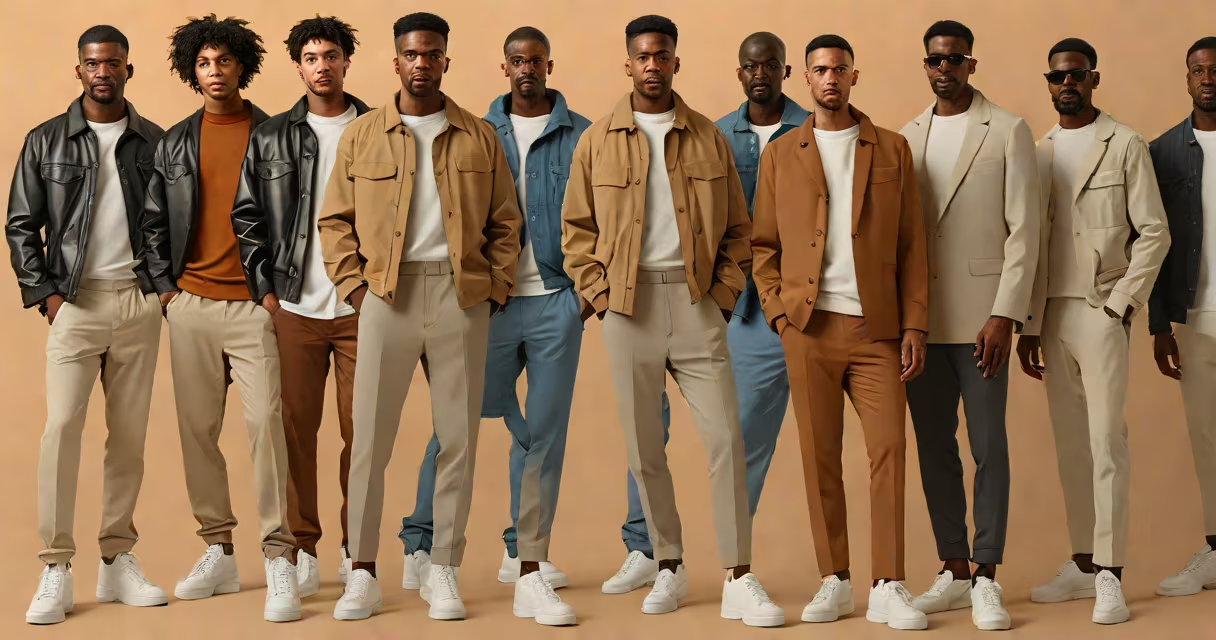
Men clothing brands are companies that design, produce, and market apparel specifically for male consumers, ranging from everyday basics to high-end designer wear. These brands define styles, set trends, and reflect cultural shifts in masculinity and personal expression.
Major men clothing brands operate through retail stores, e-commerce platforms, and partnerships with department stores. They focus on fit, fabric selection, durability, and seasonal collections. Brands may emphasize heritage craftsmanship, modern minimalism, performance materials, or inclusive sizing. Examples include Uniqlo, Aritzia, Everlane, and Stüssy.
Brands differ in pricing, target audience, and values. Some prioritize sustainability and ethical production. Others focus on innovation in cut or material science. The global men's apparel market was valued at $1.2 trillion in 2023, according to Statista, reflecting consistent demand for branded clothing.
Each brand begins with a concept-whether it's functional streetwear, tailored business attire, or eco-conscious fashion. Design teams develop sketches based on current trends, consumer data, and seasonal themes. These designs move into prototyping, where samples are made and tested for fit and comfort.
Once approved, production scales across factories or partner facilities. Quality control checks occur at multiple stages. Finished garments are shipped to distribution centers, then sold via online platforms, physical stores, or wholesale channels.
Marketing strategies include social media campaigns, influencer collaborations, and seasonal advertising. For example, Nike uses athlete endorsements and limited-edition drops to drive urgency. Patagonia leverages environmental messaging in its branding, reinforcing its commitment to sustainability.
Men clothing brands fall into distinct categories based on price, purpose, and values. Understanding these types helps identify which brands align with individual needs and preferences.
| Type | Price Range | Focus | Examples |
|---|---|---|---|
| Fast Fashion | $10-$50 | Trend-driven, low-cost, rapid turnover | Zara, H&M, Forever 21 |
| Mid-Range | $50-$200 | Balance of style, quality, and affordability | Uniqlo, Aritzia, Reformation Men |
| Premium/Designer | $200-$1,000+ | Artisanal construction, exclusive materials, brand prestige | Gucci, Prada, Acne Studios |
| Sustainable/Ethical | $70-$300 | Low-impact materials, fair labor practices, transparency | Everlane, Tentree, Amour Vert |
Some brands blend categories. For instance, Aritzia offers mid-tier pricing but uses premium fabrics and precise tailoring. Others, like Stüssy, began as underground streetwear and evolved into globally recognized lifestyle brands.
Men clothing brands serve daily needs-from workwear and casual outings to special events. A navy blazer from Brooks Brothers signals professionalism in corporate settings. A technical jacket from Arc'teryx supports outdoor activity in rugged terrain.
Brands also communicate identity. Wearing a vintage Levi's denim shirt or a limited-edition Supreme hoodie signals affiliation with subcultures or personal aesthetics. This role extends beyond function-it's about belonging and self-expression.
For example, during New York Fashion Week, brands like Calvin Klein and Rick Owens showcase new lines that influence retail availability months later. Retailers like Nordstrom and SSENSE stock these collections early, allowing customers to access runway styles within weeks.
Many assume all men clothing brands follow Western fashion norms. That's incorrect. Global brands like Japan's Comme des Garçons and South Korea's Ader Error challenge traditional silhouettes and gendered expectations. Their designs often feature asymmetrical cuts, oversized proportions, and non-binary presentation.
Another misconception: sustainable men clothing brands are always expensive. Not true. Brands like Tentree offer organic cotton tees under $30. They use carbon-offset shipping and plant ten trees per purchase-a model proven effective in reducing environmental impact. According to a 2022 report by the Ellen MacArthur Foundation, such models reduce textile waste by up to 40% compared to conventional supply chains.
Finally, people often confuse "men clothing brands" with "men's fashion." While related, they're not interchangeable. Men clothing brands are commercial entities. Men's fashion refers to aesthetic movements-like the resurgence of 1990s grunge or the rise of quiet luxury-which brands may adopt but aren't required to.
I once spent a weekend testing five different men clothing brands for a hiking trip. I wore Uniqlo's HeatTech base layers, Columbia's waterproof shell, and Salomon's trail shoes-all from brands known for performance. The combination kept me dry and warm in 4°C weather. That experience confirmed that brand reputation matters, but real-world testing beats marketing claims.
When choosing men clothing brands, consider fit, care instructions, return policies, and long-term value. A well-made wool sweater from Eileen Fisher lasts years with proper washing. A fast-fashion polo shirt from H&M may wear out after six months of regular use.
Understanding men clothing brands helps avoid impulse buys and supports informed decisions. Whether seeking affordable staples or investment pieces, clarity around brand purpose and ethics leads to better outcomes.
Men clothing brands span a spectrum of quality, ethics, and style. Knowing their differences ensures choices align with personal values, budgets, and lifestyles. From everyday essentials to statement wear, the right brand adds consistency and confidence to every outfit.