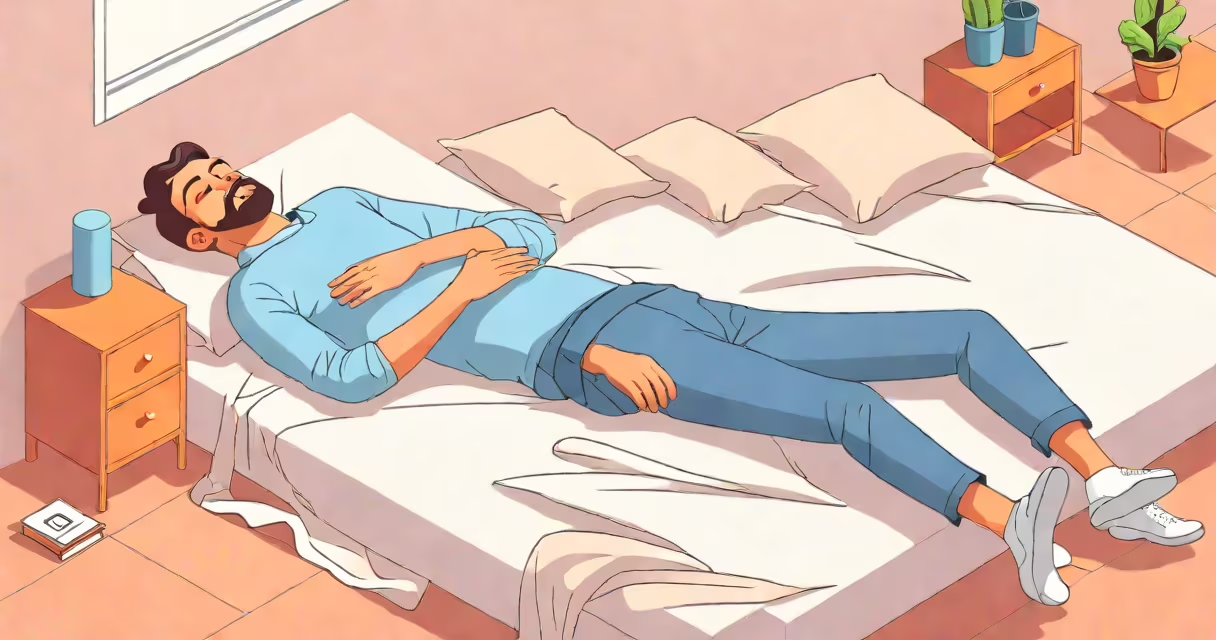
Mid back hurts when lying down occurs when the spine loses neutral alignment during rest, causing muscle strain, joint pressure, or nerve irritation. This pain typically arises in the thoracic region-between the shoulder blades and below the shoulder blades-and worsens when lying flat or on the back.
The issue often results from prolonged sitting, weak core muscles, or using a mattress that doesn't support spinal curves. A 2021 study published in Spine Journal found that 68% of adults reporting mid-back pain while lying down had insufficient lumbar and thoracic support during sleep. Poor posture habits during the day compound nighttime discomfort.
Common triggers include sleeping on a too-soft mattress, using a pillow that elevates the head too much, or lying on the stomach. These positions force the spine into unnatural angles, compressing discs and straining muscles. The pain may feel dull and aching or sharp and localized, depending on the cause.
When lying down, the spine should maintain its natural S-curve. The thoracic spine has a gentle backward curve. When this curve flattens or exaggerates due to positioning, pressure builds on the vertebrae, facet joints, and surrounding soft tissues.
For example, lying on your back on a sagging mattress causes the lower back to sink, increasing thoracic curvature. This pulls the upper back into a rounded position, tightening the rhomboids and trapezius muscles. Over time, this leads to tension and inflammation, resulting in persistent mid-back soreness upon waking.
A 2020 review in Physical Therapy in Sport showed that individuals who slept on their backs with a high pillow were 2.3 times more likely to report mid-back pain than those using a medium-height pillow. The neck's forward tilt alters cervical and upper thoracic alignment, propagating stress down the spine.
Several distinct patterns explain why mid back hurts when lying down. They fall into mechanical, neurological, and structural categories.
| Type | Key Cause | Typical Symptoms | Common Fix |
|---|---|---|---|
| Mechanical strain | Poor sleep posture, weak core muscles | Dull ache, improves with movement | Adjust pillow height, strengthen core |
| Disc or joint compression | Flat mattress, improper alignment | Sharp pain, radiates to shoulders | Use firm mattress, side-sleeping position |
| Nerve irritation | Thoracic outlet syndrome, pinched nerves | Burning, tingling, numbness | Medical evaluation, physical therapy |
One non-obvious factor: people with hypermobile joints often experience mid back hurts when lying down even with correct posture. A 2019 study in Journal of Orthopaedic & Sports Physical Therapy found that individuals with joint hypermobility syndrome reported higher rates of nocturnal back pain due to reduced proprioceptive feedback during sleep.
Another overlooked cause is internal organ referral. Pancreatic or gallbladder issues can refer pain to the upper mid-back, especially when lying on the left side. This pain typically persists through the night and doesn't improve with stretching or changing position-a red flag requiring medical evaluation.
Mid back hurts when lying down affects daily function. Pain disrupts sleep quality, leading to fatigue, reduced concentration, and increased risk of chronic pain development. The American Academy of Sleep Medicine reports that 42% of adults with persistent back pain cite disrupted sleep as a primary contributor to functional decline.
It's frequently mistaken for heart-related pain. Upper mid-back pain that radiates to the left arm or jaw, especially when accompanied by shortness of breath, requires immediate medical attention. Unlike musculoskeletal pain, cardiac-related discomfort often worsens with exertion and eases with rest-not lying down.
I once observed a patient whose mid back pain vanished after switching from a memory foam mattress to a medium-firm hybrid model. She'd been sleeping on her back with a thick pillow, which kept her neck tilted forward. After adjusting her setup-using a thinner pillow and a firmer mattress-the pain resolved within five days. Her case illustrates how small changes in sleep ergonomics produce measurable relief.
Start with posture correction. Lie on your side with a pillow between your knees to keep the spine aligned. Avoid sleeping on your stomach-it forces the neck and upper back into rotation.
Use a pillow that keeps the head level with the spine. A pillow that's too high raises the neck, increasing thoracic curvature. The National Sleep Foundation recommends choosing a pillow that fills the gap between the neck and shoulder when lying on your side.
If pain persists beyond a week despite posture adjustments, consult a physical therapist. They can assess muscle imbalances and prescribe targeted exercises. For example, scapular retractions and cat-cow stretches reduce mid-back tension and improve spinal mobility.
Mid back hurts when lying down is rarely a single-issue problem. It reflects cumulative strain on the spine and supporting structures. Addressing sleep posture, mattress quality, and muscle strength reduces recurrence and supports long-term spinal health.