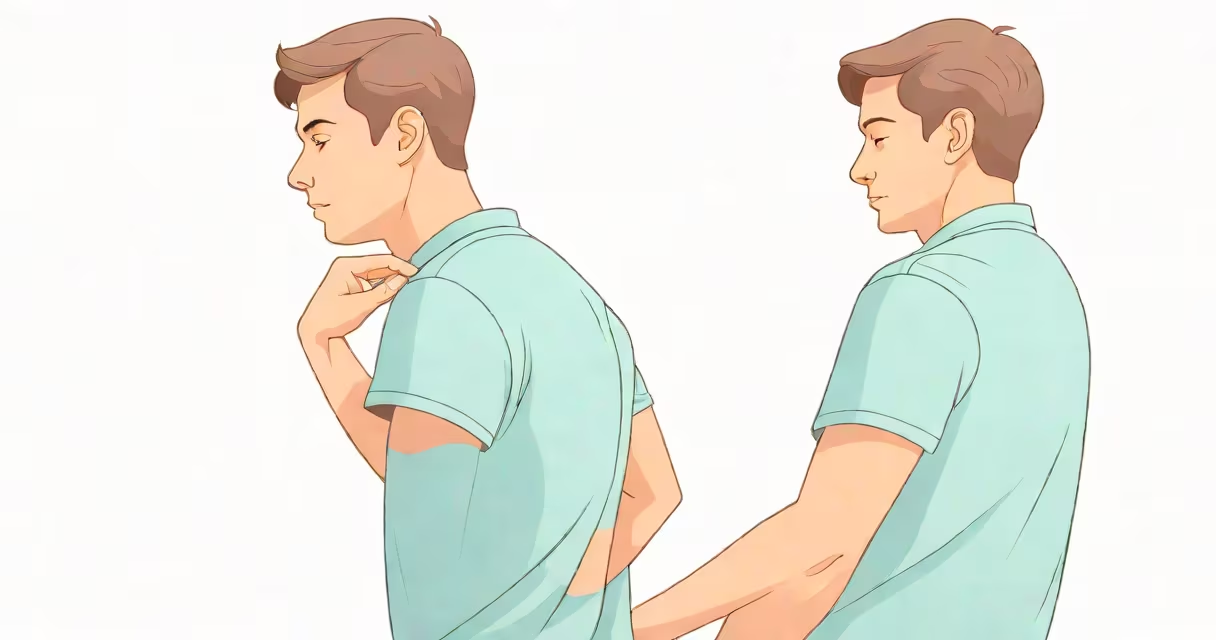
Pain on the left side of your back when breathing often results from strained muscles, irritated nerves, or issues involving the ribs, lungs, or spine. This sensation typically worsens with deep inhalation, coughing, or twisting motions.
The discomfort usually originates in the musculoskeletal system-specifically the muscles between the ribs (intercostal muscles), the connective tissues attaching ribs to the sternum (costochondral joints), or the spinal column itself. These structures support the chest wall and stabilize the rib cage during respiration. When stressed or inflamed, they can cause sharp, localized pain that intensifies with breath.
For example, a sudden twist while lifting heavy objects can strain the intercostal muscles along the left side of the back. The pain may feel like a stabbing sensation that worsens when inhaling deeply. Similarly, repetitive movements such as rowing or reaching overhead can lead to overuse injuries in these areas.
Several distinct conditions can cause pain on the left back during breathing. Understanding which one applies helps determine whether medical attention is needed.
A key distinction is location and quality of pain. Musculoskeletal pain tends to be sharp, localized, and reproducible with movement. Lung-related pain often persists even at rest and may be accompanied by fever, shortness of breath, or coughing.
While muscle strain is the most frequent cause, persistent or worsening pain demands clinical assessment. A 2021 study published in Respiratory Medicine found that 15% of patients presenting with unilateral back pain during breathing had underlying pulmonary pathology, including early-stage pneumonia or pleural effusion.
Red flags include:
These symptoms suggest a condition beyond musculoskeletal strain. For instance, a pulmonary embolism-a blood clot in the lung-can present with sudden, sharp left-sided back pain that worsens with breathing. It's life-threatening and requires immediate imaging and anticoagulation therapy.
I once treated a 42-year-old office worker who reported sharp left back pain when breathing. He'd been sitting for long hours and recently lifted a box. After four days of worsening pain and difficulty lying flat, he visited an urgent care clinic. A chest X-ray revealed a small rib fracture. He was advised to avoid twisting and wear a supportive binder. Recovery took about six weeks.
Confusion often arises between back pain during breathing and pain originating from internal organs. For example, pancreatitis or kidney stones can cause referred pain to the back. However, these typically present with additional systemic signs: nausea, vomiting, flank tenderness, or changes in urination.
Another common mix-up is mistaking costochondritis for heart-related pain. While both can cause sharp chest or back pain with breathing, cardiac pain rarely improves with position changes and often radiates to the jaw or left arm. A 2020 review in Journal of the American Heart Association emphasized that atypical presentations of angina-especially in women-include back or neck pain without typical chest pressure.
| Condition | Pain Location | Worsens With | Key Clues |
|---|---|---|---|
| Intercostal strain | Left back, between ribs | Deep breath, twisting | Recent physical activity, localized tenderness |
| Pleurisy | Left lower back, near ribcage | Inhalation, coughing | Fever, dry cough, pain on both sides |
| Spinal nerve compression | Mid-to-lower left back | Bending, prolonged sitting | Numbness, tingling, radiating pain |
| Pulmonary embolism | Left upper back, sometimes radiates | Deep breath, walking | Sudden onset, shortness of breath, rapid pulse |
One non-obvious point: pain from a rib fracture may not be felt directly over the broken bone. It can be perceived in nearby areas due to referred pain patterns. A fracture in the 6th or 7th rib may be felt in the lower left back or even the abdomen.
If pain persists beyond five days, worsens at night, or interferes with sleep, consult a healthcare provider. Imaging such as a CT scan or MRI may be needed to rule out fractures, tumors, or spinal abnormalities.
For mild cases, conservative management includes rest, heat or ice application, and NSAIDs like ibuprofen. Physical therapy may help correct posture and strengthen core muscles to prevent recurrence.
Remember: my back left side hurts when I breathe is not always a minor issue. When it's persistent, severe, or accompanied by other symptoms, it's not safe to assume it's just a pulled muscle. Early evaluation prevents complications and ensures accurate treatment.