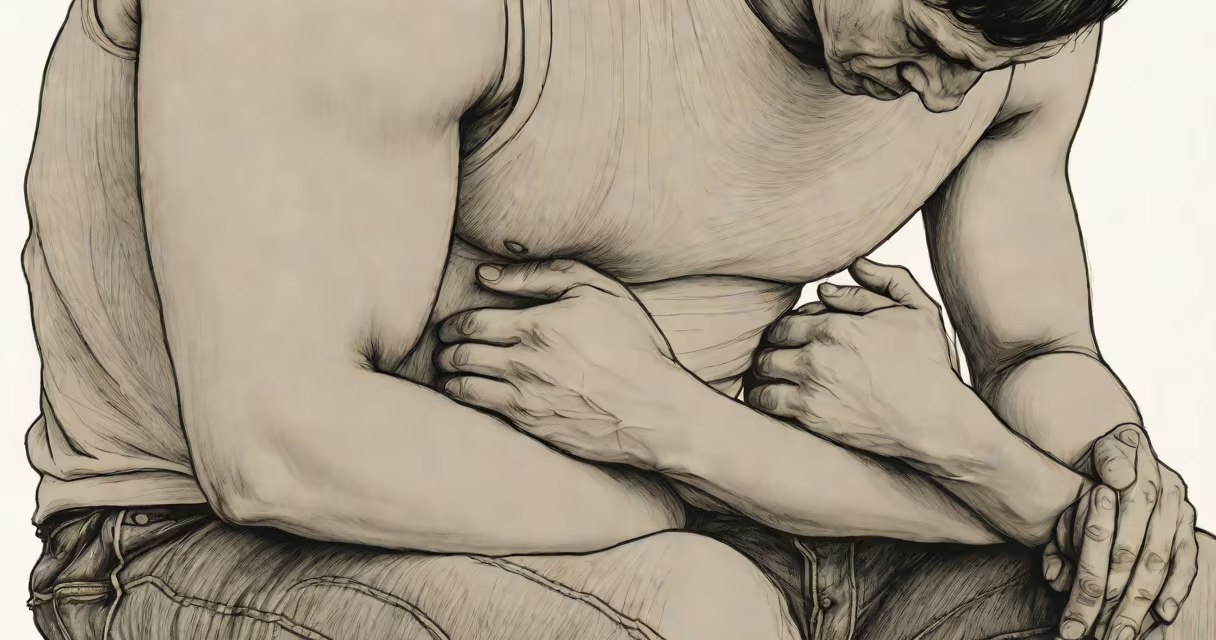
Chest pain that worsens with movement often results from musculoskeletal issues like costochondritis, lung problems such as pleurisy, or anxiety-related episodes-not necessarily heart disease. The sensation typically sharpens during breathing, twisting, or stretching.
When you move and feel pain in the chest, the source may lie in the ribs, cartilage, or muscles of the chest wall. These structures support the ribcage and help with breathing. If they become inflamed or injured, even small motions can trigger sharp, localized pain. This kind of pain usually stays in one spot and doesn't radiate to the arm or jaw.
According to the American College of Cardiology, less than 10% of patients presenting with chest pain in emergency settings have acute cardiac events. Most cases involve non-cardiac causes, including musculoskeletal strain and gastrointestinal reflux. Still, any new or worsening chest pain requires medical evaluation to rule out serious conditions.
Pain that appears or intensifies during motion typically originates in soft tissues. For example, costochondritis-the inflammation of the cartilage connecting the ribs to the breastbone-often flares when you twist, lift, or take a deep breath. The pain is usually felt on the left side, near the sternum, and may be tender to touch.
Lung-related causes include pleurisy, where the lining around the lungs becomes inflamed. This condition produces stabbing pain with each breath. A person might describe it as "like a knife cutting through the chest" when inhaling deeply. Unlike heart pain, which tends to be pressure-like and constant, pleuritic pain spikes with movement.
Anxiety-induced chest tightness can mimic physical pain. During panic attacks, hyperventilation increases carbon dioxide loss, leading to muscle spasms and chest sensations. The pain may come and go with breathing patterns and often resolves when calm returns. It's not structural, but the body's response feels real.
Not all chest pain during movement stems from the same cause. Understanding the differences helps identify whether further care is needed.
| Type | Onset & Triggers | Pain Quality | Common Locations | Key Clue |
|---|---|---|---|---|
| Costochondritis | Sudden or gradual; worsens with twisting, lifting, deep breaths | Sharp, localized, tender to touch | Left or right side of sternum | Pain stays in one area; pressing on the joint causes flare-up |
| Pleurisy | Develops quickly; worsens with inhalation | Stabbing, sharp, may ease with shallow breathing | Side of chest, sometimes radiates to shoulder | Relief when holding breath; pain stops when breathing stops |
| Anxiety/panic attack | Can start suddenly; tied to stress or fear | Tightness, pressure, burning; varies over time | Center of chest, may spread to arms or neck | Often accompanied by dizziness, tingling, rapid heartbeat |
A key distinction: cardiac chest pain rarely changes with position or movement. Instead, it often feels heavy, squeezing, or crushing, and may last longer than five minutes. It can radiate to the jaw, neck, or left arm. If you're unsure, don't assume it's harmless.
Many assume any chest pain must be heart-related. This belief leads to delayed care or unnecessary ER visits. But the body's warning signals aren't always accurate.
For example, a 34-year-old woman reported sharp chest pain when turning in bed. She feared a heart attack. After a physical exam, her doctor pressed on her left rib cartilage-pain flared instantly. Diagnosis: costochondritis. No imaging was needed. She recovered in two weeks with rest and anti-inflammatory medication.
Another common error is dismissing chest pain as "just stress." While anxiety can cause real physical symptoms, it shouldn't replace medical evaluation. The Mayo Clinic notes that 20% of people who visit the ER for chest pain have no identifiable cause-but 15% of those later develop cardiovascular disease. Early assessment prevents missed diagnoses.
Not all chest pain requires a hospital visit, but certain red flags demand prompt care. See a doctor within 24 hours if:
If you're under 40 and otherwise healthy, and the pain is mild and localized, it's likely musculoskeletal. Still, consult a provider to confirm. A physical exam can distinguish between joint tenderness and deeper issues.
I once saw a patient who described "my chest hurt when I move" after gardening. He had no risk factors. On exam, he winced when his sternum was touched. He was diagnosed with costochondritis. He returned to work in a week. The relief wasn't immediate, but the diagnosis ended months of worry.
One myth is that only heart-related pain is dangerous. In reality, many non-cardiac causes are serious-such as pulmonary embolism (a blood clot in the lung), which presents with sudden chest pain and shortness of breath. It's life-threatening and requires urgent treatment.
Another misconception: "If it's not severe, it's not serious." Pain intensity doesn't predict danger. Some heart attacks begin with mild, intermittent discomfort. The American Heart Association emphasizes that women often report atypical symptoms-fatigue, nausea, or back pain-rather than classic chest pressure.
Also, movement-related pain isn't always mechanical. A hernia in the diaphragm can cause referred pain that feels like chest tightness during movement. It's rare but possible-and treatable once identified.
"My chest hurt when I move" is a symptom, not a diagnosis. Identifying the cause ensures you receive the right treatment-whether it's rest, medication, or further testing.