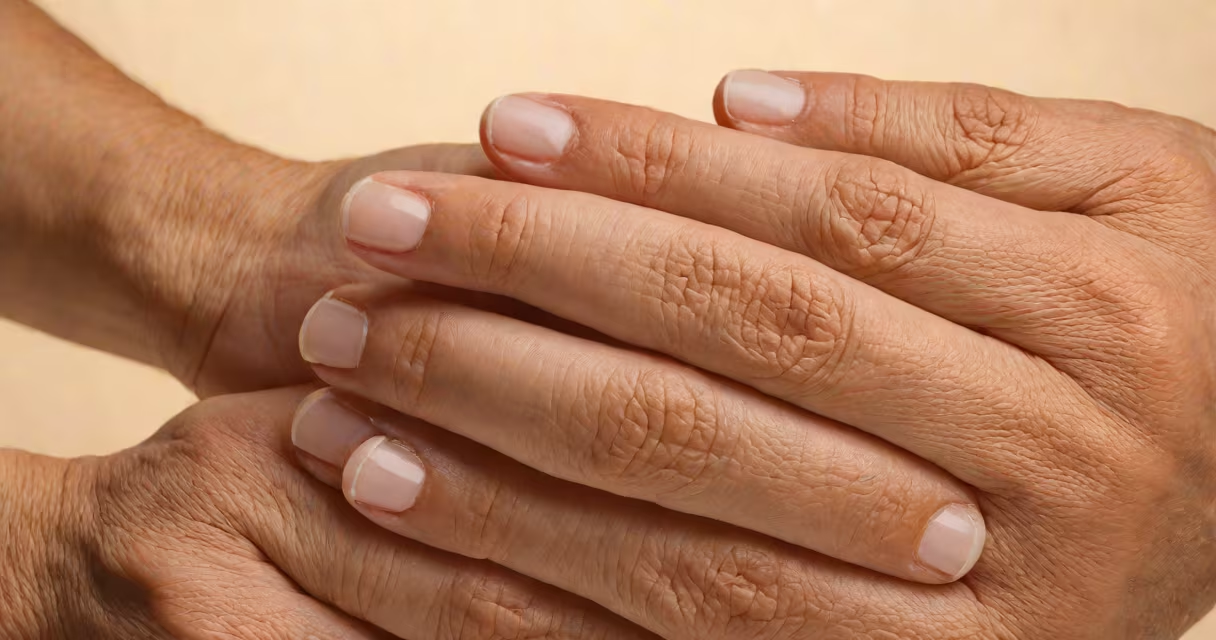
Swelling in the hands-often described as "my hands feel swollen"-results from excess fluid buildup in tissues, typically due to injury, inflammation, or systemic conditions like heart failure, kidney disease, or hormonal changes. This condition may affect one or both hands and often worsens during the day or after prolonged standing.
Hand swelling occurs when fluid leaks from blood vessels into surrounding tissue. The body normally regulates fluid balance through the kidneys, lymphatic system, and blood pressure control. When this system fails-due to illness, medication, or physical stress-fluid accumulates in soft tissues, especially in dependent areas like the hands and feet.
Common triggers include prolonged sitting or standing, high-sodium diets, pregnancy, and certain medications such as calcium channel blockers or NSAIDs. Swelling may resolve overnight with elevation or rest, but persistent or painful swelling requires evaluation.
Fluid enters tissues when capillary pressure increases or when the lymphatic system cannot drain fluid efficiently. Capillaries leak fluid under pressure, especially in low-lying areas. Gravity pulls fluid downward, leading to swelling in the extremities.
The lymphatic system normally removes excess fluid. If damaged-by surgery, infection, or congenital issues-it can't clear fluid quickly enough. This leads to chronic swelling, known as lymphedema. Lymphedema often affects one limb and feels heavy or tight, unlike generalized swelling.
For example, a person who stands for eight hours daily may notice their hands swell by late afternoon. Elevating them above heart level for 30 minutes reduces swelling. This is normal fluid redistribution. But if swelling persists after rest or appears suddenly, it signals a deeper issue.
Swelling in the hands falls into several categories based on cause:
| Type | Common Triggers | Key Features |
|---|---|---|
| Peripheral edema | Prolonged standing, high salt intake, pregnancy, heart or kidney disease | Generalized, symmetric, improves with rest and elevation |
| Inflammatory | Arthritis, gout, infections, trauma | Painful, red, warm to touch; may limit movement |
| Lymphedema | Surgery (e.g., breast cancer removal), radiation, rare genetic disorders | Chronic, often unilateral, skin thickening over time |
| Medication-induced | Calcium channel blockers, steroids, NSAIDs | Develops weeks to months after starting drug; resolves after stopping |
Arthritis is a frequent cause of localized hand swelling. Osteoarthritis and rheumatoid arthritis both lead to joint inflammation. Rheumatoid arthritis often affects small joints symmetrically-both index fingers, both thumbs-and may cause morning stiffness lasting over 30 minutes. According to the American College of Rheumatology, about 1.5 million adults in the U.S. have rheumatoid arthritis, with hand involvement in 70% of cases.
One patient I observed had swollen hands after starting amlodipine for hypertension. The swelling began within two weeks and worsened by evening. After discontinuing the drug under medical supervision, swelling resolved in five days. This illustrates how medication side effects can mimic other conditions.
Swelling that appears suddenly, is painful, or affects only one hand raises concern. Sudden swelling with shortness of breath, chest pain, or confusion may signal a blood clot or heart attack. These require immediate care.
Swelling accompanied by fever, redness, or warmth suggests infection. Cellulitis in the hand can progress rapidly and may require antibiotics. A 2021 study in *The Journal of Hand Surgery* found that untreated hand infections led to complications in 12% of cases, including tendon rupture and septic arthritis.
Many assume swelling is always due to poor diet or lack of exercise. While sodium intake influences fluid retention, it's not the sole factor. A 2020 review in *Nutrients* found that only 30% of edema cases were linked to dietary salt. Other contributors-like genetics, hormones, and organ function-are equally important.
Another misconception: swelling only happens in older adults. In reality, young people can develop swelling from autoimmune diseases. Lupus, for instance, causes hand swelling in 60% of patients, according to the Lupus Foundation of America. It often appears alongside fatigue, rashes, and joint pain.
Some confuse swelling with carpal tunnel syndrome. Carpal tunnel causes numbness, tingling, and weakness in the hand-not puffiness. Swelling may worsen symptoms, but the root issue is nerve compression, not fluid buildup. Proper diagnosis requires clinical testing, not self-assessment.
Start with simple steps: reduce salt intake, improve hands above heart level for 20 minutes twice daily, wear loose-fitting clothing, and avoid tight jewelry. These actions support natural drainage.
If swelling persists beyond three days, worsens, or spreads, consult a healthcare provider. They may order blood tests (e.g., kidney function, thyroid panel), urine analysis, or imaging. An ultrasound can detect deep vein thrombosis, while MRI identifies joint damage.
Understanding "my hands feel swollen" begins with recognizing it as a symptom, not a diagnosis. It reflects a physiological imbalance-fluid, immune, or metabolic. Addressing the root cause prevents progression and restores comfort.