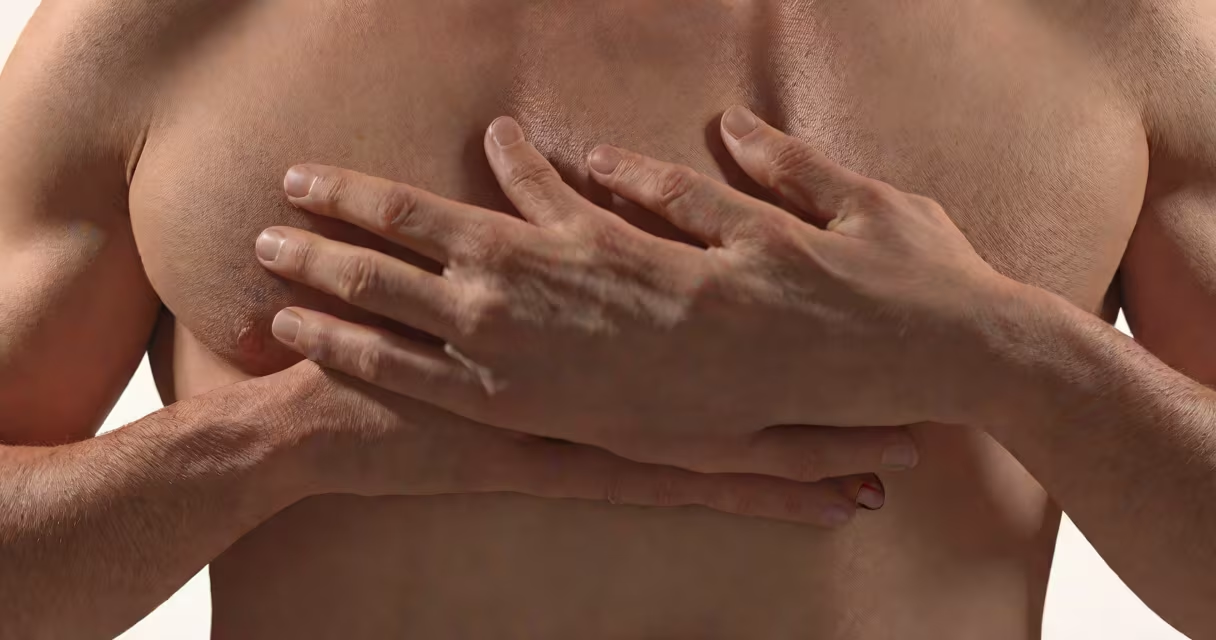
My left chest is paining describes a sensation of discomfort, pressure, or sharpness localized to the left side of the chest wall, which may stem from musculoskeletal issues, gastrointestinal reflux, anxiety, or, less commonly, cardiac events. The term is often used by individuals reporting symptoms they fear could indicate a heart attack.
Left-sided chest pain arises from structures in the anterior thoracic wall, including ribs, intercostal muscles, cartilage, nerves, and underlying organs such as the lungs and stomach. While the heart lies slightly left of center, most left chest pain is not cardiac in origin. A 2021 study published in The American Journal of Medicine found that only 15% of patients presenting with chest pain in emergency departments had acute coronary syndrome, meaning the majority of cases were due to non-cardiac causes.
Common triggers include muscle strain from lifting, coughing, or repetitive motion; costochondritis (inflammation of rib-cartilage joints); acid reflux; panic attacks; or nerve irritation such as intercostal neuralgia. Pain from these sources typically worsens with movement, deep breathing, or pressure on the area. Cardiac pain, by contrast, often radiates to the jaw, arm, or back and may come with shortness of breath, nausea, or sweating.
Pain signals travel through sensory nerves in the chest wall to the spinal cord and then to the brain. The brain interprets these signals as pain based on location, intensity, and context. When a muscle is strained or a joint inflamed, nociceptors (pain receptors) fire continuously, creating a dull ache or sharp stab. In contrast, heart-related pain stems from ischemia-reduced blood flow to heart tissue-which activates different neural pathways and often presents with a crushing or squeezing quality.
For example, a 42-year-old office worker reported my left chest is paining after lifting boxes at work. The pain intensified when he leaned forward or took a deep breath. He described it as a burning ache under his left rib cage. After a physical exam and imaging, doctors diagnosed costochondritis. Treatment included rest, NSAIDs, and heat therapy. His symptoms resolved within five days.
Cardiac pain, however, rarely improves with position changes. It tends to last longer than 10 minutes, may recur, and often occurs during exertion. The American Heart Association notes that women are more likely than men to report atypical symptoms such as fatigue, indigestion, or jaw pain rather than classic crushing chest pressure.
Not all left chest pain is the same. Causes fall into categories based on anatomy and mechanism:
| Type | Origin | Typical Symptoms | Duration |
|---|---|---|---|
| Musculoskeletal | Ribs, muscles, cartilage | Sharp, localized; worsens with movement or touch | Hours to days |
| Gastrointestinal | Stomach, esophagus | Burning, pressure behind sternum; may follow eating | Minutes to hours |
| Anxiety/panic | Nervous system | Fluttering, tightness; often accompanied by dizziness or hyperventilation | Several minutes |
| Cardiac | Heart muscle or coronary arteries | Crushing, pressure-like; may radiate to arm, neck, jaw | More than 10 minutes; may persist or recur |
One key distinction: musculoskeletal pain usually stays in one spot and doesn't change with activity. Gastroesophageal reflux disease (GERD) often causes a burning sensation behind the breastbone that improves when standing or sitting upright. Anxiety-related chest pain may spike during stressful moments and subside with slow breathing.
A common misperception is that left chest pain always means a heart attack. In reality, a 2020 review in JAMA Internal Medicine showed that over 80% of chest pain presentations in primary care clinics were non-cardiac. However, because heart attacks can mimic other conditions, even mild or brief pain should not be ignored if risk factors exist-such as smoking, diabetes, high blood pressure, or family history of early heart disease.
My left chest is paining is frequently mistaken for heart disease, especially in people with risk factors. But many non-life-threatening conditions cause similar sensations. For example, a 35-year-old woman experienced sudden left chest tightness while driving. She feared a heart attack. Her symptoms included rapid heartbeat and cold sweats. After evaluation, she was diagnosed with a panic attack triggered by stress at work. Cognitive behavioral therapy reduced recurrence.
Another frequent confusion is between costochondritis and a heart attack. Both can cause sharp pain near the sternum. But costochondritis pain is reproducible-pressing on the affected rib cartilage elicits pain. Heart-related pain is not reliably reproduced by palpation and often involves radiation to the left arm or jaw.
One non-obvious fact: left-sided chest pain can originate from the spine. Thoracic radiculopathy-nerve root compression in the upper back-can refer pain to the chest wall. This is often overlooked because providers focus on the heart or lungs. A 2019 case series in Spine Journal documented 12 patients whose left chest pain stemmed from cervical or thoracic disc herniations, misdiagnosed initially as cardiac or GI issues.
Seek immediate medical attention if my left chest is paining is accompanied by any of the following: pain lasting more than 10 minutes, pain spreading to the jaw, neck, shoulder, or arm, shortness of breath, cold sweat, nausea, dizziness, or sudden weakness. These signs suggest possible acute coronary syndrome.
Even if symptoms resolve quickly, don't delay evaluation. A 2022 study in Circulation found that nearly 30% of heart attack patients reported initial symptoms lasting less than 15 minutes. Many dismissed them as indigestion or stress. Early intervention improves survival and reduces long-term damage.
As someone who once dismissed left-sided chest tightness as "just stress," I learned the hard way that ignoring subtle signs can delay diagnosis. After a week of intermittent pain, I saw a doctor. An ECG revealed early signs of ischemia. I was referred to cardiology and began medication and lifestyle changes. Early detection prevented a major event.