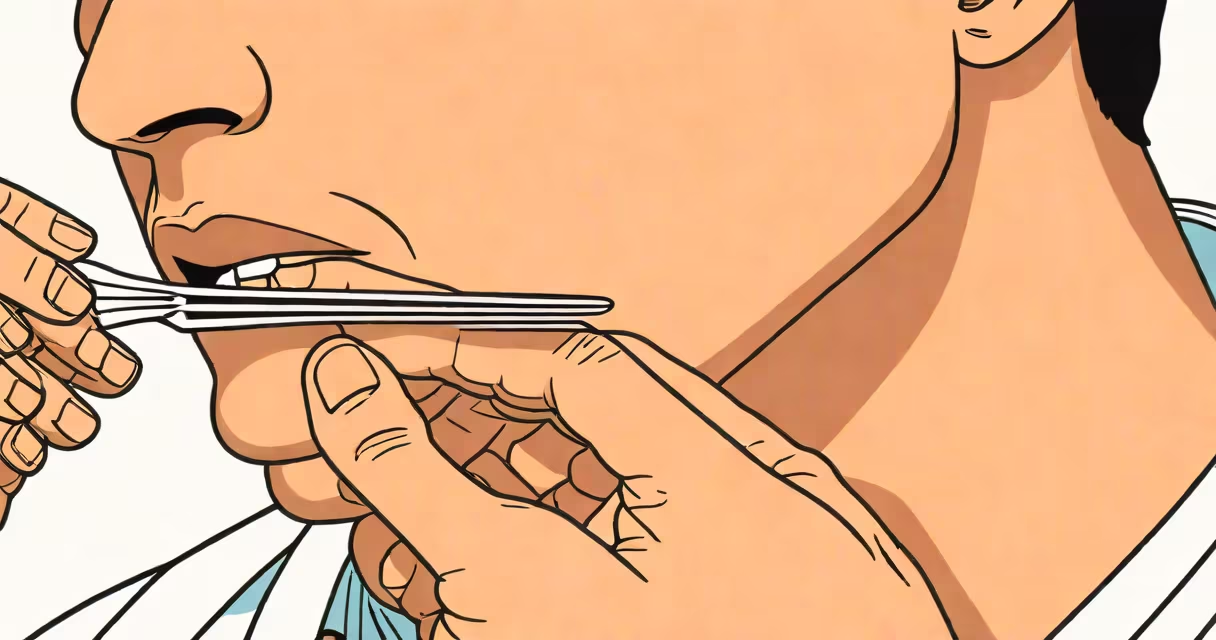
Neck pain when eating is discomfort or stiffness in the neck that begins or worsens during chewing, swallowing, or biting. It typically arises from muscle strain, joint dysfunction in the jaw or upper spine, or nerve irritation triggered by oral movements. This symptom is not a normal part of eating and may signal a treatable condition.
Chewing activates multiple muscle groups around the jaw, neck, and shoulders. When these systems are misaligned or under stress, movement can provoke pain. The pain may feel dull and aching or sharp and localized, depending on the cause. It often resolves within minutes after stopping eating, but persistent episodes require evaluation.
Common triggers include clenching teeth, grinding, prolonged chewing of tough foods, or poor posture while seated. Some people report pain only when eating certain textures-like raw vegetables or chewy meats-suggesting mechanical strain on specific joints or nerves.
The neck contains deep stabilizing muscles like the levator scapulae and splenius capitis, which connect to the skull and upper vertebrae. These muscles work with the jaw muscles-especially the masseter and temporalis-to control bite force and jaw motion. When jaw movement is uneven or excessive, tension spreads through shared neural pathways and connective tissue.
For example, if someone clenches their jaw while eating, the masseter muscle contracts forcefully. This pulls on the temporomandibular joint (TMJ), which lies just below the ear. The joint's position affects the alignment of the cervical spine. A misaligned TMJ can alter neck muscle activation patterns, leading to fatigue and pain in the neck.
Nerve involvement also plays a role. The trigeminal nerve (cranial nerve V) supplies sensation to the face and jaw. Its branches run near the upper neck and can become irritated by tight muscles or joint pressure. When chewing activates the trigeminal system, it may trigger referred pain in the neck region-a phenomenon known as central sensitization.
Neck pain when eating stems from several distinct mechanisms. The most frequent causes fall into three categories: musculoskeletal strain, temporomandibular joint disorders (TMD), and referred or neurological pain.
| Type | Key Features | Typical Triggers | Diagnostic Clues |
|---|---|---|---|
| Muscle Strain | Dull ache, tightness, worsens with sustained chewing | Long meals, poor posture, stress-related clenching | Pain eases with rest; no joint clicking |
| TMD/Temporomandibular Disorder | Sharp or throbbing pain near ear, jaw locking, clicking | Chewing hard or sticky foods, bruxism | Joint sounds, limited mouth opening <35mm |
| Referred or Neural Pain | Burning, shooting, or electric-like pain; may radiate | Spinal misalignment, nerve compression | Pain persists beyond mealtime; may follow dermatomal pattern |
One overlooked cause is cervical facet joint irritation. These small joints in the neck can become inflamed from repetitive motion or poor head positioning. A study published in Spine Journal found that 12% of patients with chronic neck pain reported symptom onset during eating, often linked to forward head posture while dining.
Another less obvious factor is dental occlusion-how upper and lower teeth meet. Misaligned bites increase load on jaw muscles and can lead to compensatory neck muscle overactivity. A 2021 review in Journal of Oral Rehabilitation noted that patients with malocclusion were twice as likely to report neck pain during meals compared to those with normal bite alignment.
Neck pain when eating is frequently mistaken for heartburn or acid reflux, especially when pain radiates upward toward the base of the skull. However, reflux typically causes a burning sensation behind the breastbone and may worsen when lying down. Neck pain from eating rarely presents with regurgitation or sour taste.
It's also often dismissed as "just stress" or "tension." While emotional stress can exacerbate muscle tightness, the pain usually doesn't correlate with meal timing unless jaw clenching is involved. True stress-related neck pain tends to be diffuse and constant, not tied to chewing cycles.
A key distinction is location: pain from TMJ or cervical strain often centers on one side of the neck or jawline. Pain from esophageal issues (like achalasia) typically feels deeper, behind the sternum, and may involve swallowing difficulty. If pain occurs only when chewing and not when drinking or swallowing liquids, it points strongly to masticatory or neck joint dysfunction.
Neck pain when eating should prompt medical attention if it lasts more than a few days, recurs regularly, or limits food intake. Persistent symptoms suggest a structural or neurological issue rather than transient strain.
I once observed a patient who avoided solid foods for six months due to neck pain during meals. Initial diagnosis was anxiety-related tension. After physical therapy failed to improve symptoms, a dentist identified severe bruxism and a posterior crossbite. Corrective dental appliances reduced jaw strain, and neck pain disappeared within four weeks. This case illustrates how missing the oral-motor link delays effective treatment.
Red flags include pain that spreads to the arm, dizziness, or numbness in the hands. These may indicate spinal cord or nerve root compression. The American Academy of Neurology recommends imaging (MRI or CT) for neck pain with neurological deficits. For isolated neck pain during eating, a physical exam focusing on jaw mobility, neck range of motion, and muscle tenderness is sufficient initial step.
Consult a healthcare provider if pain interferes with daily function. Treatment varies by cause: physical therapy for muscle strain, dental splints for TMD, or medications for nerve-related pain. Early intervention prevents chronicity.