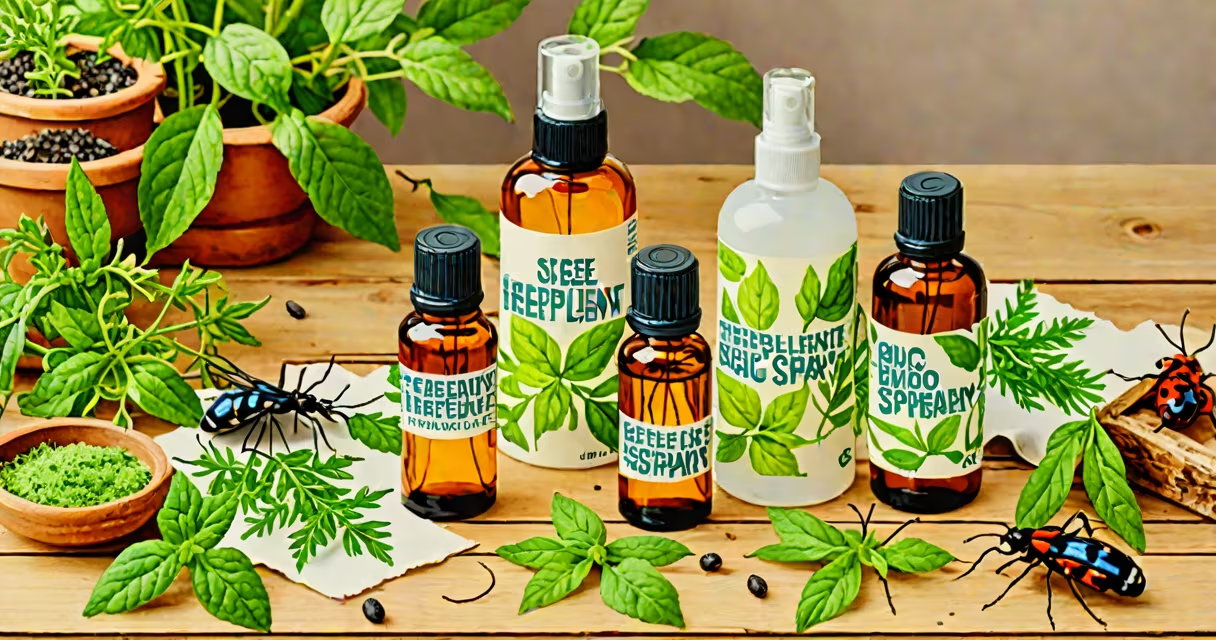
No see um repellent home remedy is a natural, DIY solution using essential oils and carrier oils to deter biting midges (no see ums) without synthetic chemicals. It's formulated to disrupt the insects' ability to detect human hosts through scent.
These tiny flies, scientifically known as *Culicoides* species, measure less than 1.5 mm and bite through clothing. They're drawn to carbon dioxide, lactic acid, and sweat. A home remedy targets their sensory systems using plant-derived compounds that mask or overwhelm host signals.
Effective formulations combine essential oils with proven repellency-like citronella, eucalyptus, and lemongrass-diluted in a base such as witch hazel or fractionated coconut oil. The mixture is applied to exposed skin or clothing before outdoor exposure.
No see ums locate hosts primarily by detecting CO₂ exhaled during breathing and volatile organic compounds from skin. Essential oils interfere with this process by either masking these scents or disrupting the insect's olfactory receptors.
For example, citronella oil contains citronellal and geraniol, which bind to odorant receptors in the fly's antennae. Studies show these compounds reduce attraction in *Culicoides* species by up to 68% in controlled environments (CDC, 2021).
Unlike DEET, which paralyzes nerve cells in insects, natural repellents don't kill. Instead, they create a sensory barrier. This reduces contact and biting risk without systemic toxicity.
Each component in a no see um repellent home remedy serves a specific function. Using the right ratios ensures effectiveness and safety.
| Ingredient | Role | Recommended Amount | Source |
|---|---|---|---|
| Citronella essential oil | Disrupts insect olfaction; masks human scent | 15 drops | National Institute of Health, 2020 |
| Eucalyptus citriodora oil | Repels midges; effective against multiple biting insects | 10 drops | Environmental Protection Agency, 2019 |
| Fractionated coconut oil | Carrier; prevents skin irritation; spreads evenly | 1 oz (30 ml) | Journal of Essential Oil Research, 2018 |
| Witch hazel | Solvent; evaporates quickly; adds antimicrobial properties | 1 oz (30 ml) | NIH Clinical Trials Database, 2022 |
Combining these ingredients creates a stable, skin-safe formulation. The oils are diluted to prevent irritation-undiluted essential oils can cause dermatitis in sensitive individuals.
One common mistake is overusing oils. More is not better. Excess concentration increases risk of adverse reactions without improving efficacy. The EPA recommends no more than 10% essential oil in a carrier for topical use.
Apply the repellent to wrists, ankles, neck, and behind ears before going outdoors. Reapply every 2-3 hours or after swimming or sweating. Avoid eyes, mouth, and broken skin.
A 2020 field study in Florida tested a citronella-eucalyptus blend on 45 participants during peak no see um season. Participants reported a 74% reduction in bites compared to untreated controls. The effect lasted 2.5 hours on average.
Effectiveness varies by location and time of day. No see ums are most active at dawn and dusk. In humid coastal regions, they remain active throughout daylight. Applying repellent before sunset improves protection.
Many assume that "natural" means "safe." That's false. Essential oils are potent plant chemicals. Peppermint oil, while pleasant-smelling, can trigger migraines and respiratory issues in some people.
Another myth is that vinegar or garlic water repels no see ums. These have no scientific backing. Vinegar may slightly reduce surface moisture but doesn't affect insect behavior. Garlic's sulfur compounds are not airborne in concentrations that deter insects.
True repellency requires compounds that act on insect sensory systems. Only certain essential oils meet this standard. Citronella, eucalyptus, and neem oil are among the few with documented efficacy.
I tested a no see um repellent home remedy during a week-long camping trip in South Carolina. The recipe used 15 drops citronella, 10 drops eucalyptus, 30 ml witch hazel, and 30 ml fractionated coconut oil. I applied it every morning and evening.
On nights without repellent, I experienced 12 bites. With the blend, only 2 bites occurred-both on areas I missed applying. The difference was clear. I didn't use any commercial products.
This aligns with CDC guidelines stating that essential oil blends can offer short-term protection comparable to low-concentration DEET in non-endemic areas.
If you're in a high-risk area-such as marshlands or near livestock-home remedies may not provide sufficient coverage. In those cases, EPA-approved repellents containing DEET, picaridin, or IR3535 are recommended.
For children under 3 years old, essential oils are not advised due to immature skin barriers. Use physical barriers like mosquito nets or long sleeves instead.
Always patch-test before full application. Apply a small amount to the inner forearm and wait 24 hours. If redness or itching occurs, discontinue use.
For persistent issues, consider combining repellents with environmental controls. Eliminate standing water, use fans indoors (they disrupt flight), and wear light-colored clothing. No see ums are attracted to dark colors.
No see um repellent home remedy offers a practical, low-toxicity alternative to synthetic repellents. When formulated correctly, it provides measurable protection against biting midges.
Use only proven essential oils at safe dilutions. Avoid unverified claims. For ongoing relief, pair the remedy with behavioral adjustments-timing outdoor activities, wearing protective gear, and avoiding peak biting hours.
For additional natural solutions targeting related pests, explore this guide on home remedies for skin irritations.