The norovirus duration of illness is typically 12 to 48 hours, with most individuals resolving symptoms within two days. The virus causes acute gastroenteritis marked by vomiting, diarrhea, and abdominal cramping. Recovery is usually complete without medical treatment.
Norovirus spreads rapidly through contaminated food, water, or surfaces. It is highly infectious-just 10 to 100 viral particles can trigger infection. Outbreaks commonly occur in closed environments like cruise ships, nursing homes, and schools due to close contact and shared facilities.
After exposure, symptoms appear within 12 to 48 hours. The illness peaks around 24 hours and subsides quickly. Dehydration is the primary risk, especially in young children, older adults, and those with weakened immune systems. Replenishing fluids and electrolytes prevents complications.
Norovirus targets the cells lining the small intestine. It binds to receptors on enterocytes, replicates inside them, and causes cell death. This disrupts fluid absorption and triggers inflammation, leading to watery diarrhea and forceful vomiting.
The virus is shed in large quantities in stool and vomit-up to 10 billion particles per gram. Shedding continues for at least three days after symptoms end, making transmission likely even during recovery. The Centers for Disease Control and Prevention (CDC) confirms that individuals remain contagious until at least 48 hours after symptoms resolve.
Immunity is short-lived. Infection provides only temporary protection, often lasting less than six months. This allows reinfection with different strains throughout life. The virus has over 30 known genotypes, which evolve rapidly, contributing to recurring outbreaks.
Genogroup I (GI) and Genogroup II (GII) account for over 90% of human infections. GII.4 is the most common strain globally and responsible for the majority of seasonal outbreaks. It mutates frequently, evading prior immunity and enabling new waves of infection every 2-3 years.
| Type | Prevalence | Duration of Illness | Common Settings |
|---|---|---|---|
| GII.4 | ~60% | 12-48 hours | Cruise ships, dormitories, hospitals |
| GI.3 | ~15% | 12-48 hours | Community outbreaks, daycare centers |
| GII.6 | ~10% | 12-48 hours | Foodborne clusters, restaurants |
Outbreaks linked to shellfish, particularly oysters harvested from contaminated waters, are common. A 2022 CDC report documented a GII.4 outbreak tied to raw oysters consumed at a seafood restaurant in Washington State, affecting 47 people with symptom onset within 24 hours of consumption.
Norovirus is not food poisoning in the traditional sense. Unlike Salmonella or E. coli, which grow in food and cause delayed symptoms, norovirus acts quickly and is transmitted via person-to-person contact or contaminated surfaces.
Antibiotics do not treat norovirus. The virus is not bacterial, so antibiotics have no effect. Using them unnecessarily contributes to antibiotic resistance. The CDC explicitly warns against prescribing antibiotics for viral gastroenteritis.
Some assume symptoms last longer than they do. A 2021 study published in Emerging Infectious Diseases found that 78% of patients reported full recovery within 48 hours. Only 12% experienced mild diarrhea beyond 72 hours. Persistent symptoms beyond four days warrant evaluation for other conditions like inflammatory bowel disease or post-infectious irritable bowel syndrome.
In October 2023, a norovirus outbreak affected 112 students at a university residence hall in Minnesota. All cases began between 8 PM and midnight on a single evening. Symptoms included sudden nausea, projectile vomiting in 68% of cases, and watery diarrhea in 82%. The median duration of illness was 22 hours.
Environmental health staff traced the source to a shared kitchen area where a student with symptoms had prepared meals. The virus spread through unwashed hands and contaminated utensils. Cleaning protocols using a 1:10 bleach solution reduced secondary cases by 94% within 24 hours.
One student, a 20-year-old biology major, developed dehydration after vomiting five times in eight hours. He required oral rehydration therapy and returned to class 36 hours after symptom onset. His recovery aligned with typical norovirus patterns.
Most cases resolve without intervention. However, seek care if:
Children under five and adults over 65 are at higher risk for severe outcomes. The World Health Organization (WHO) reports that norovirus accounts for 18% of acute gastroenteritis hospitalizations in children under five in low-resource settings.
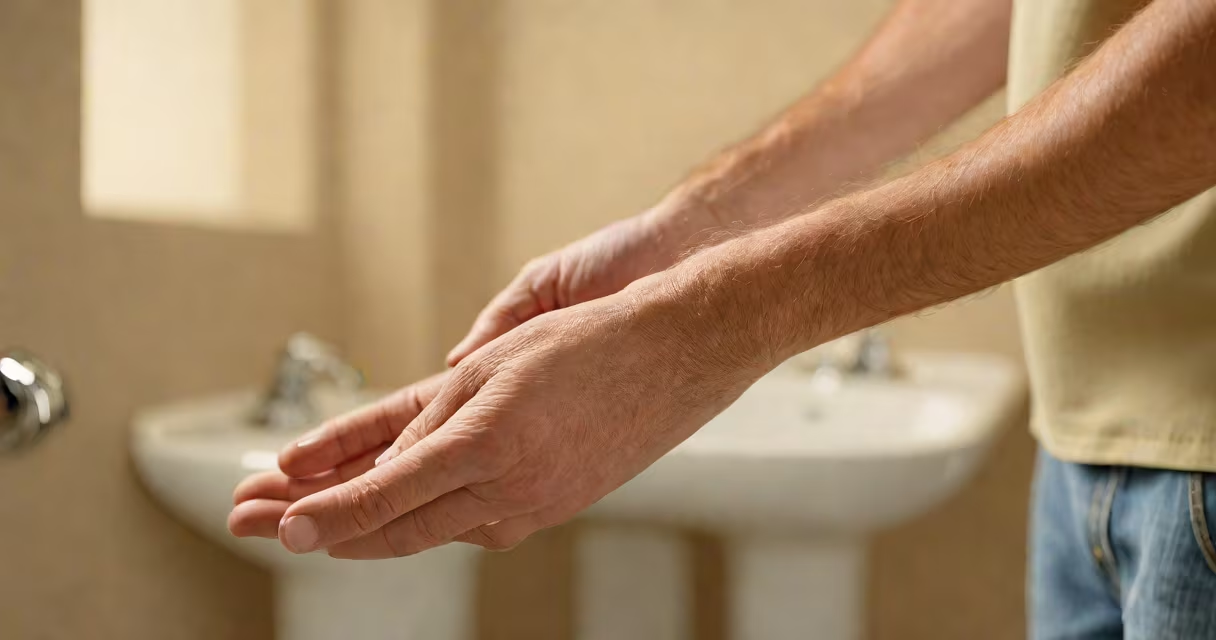
During an outbreak, isolation for at least 48 hours after symptoms stop reduces transmission. The CDC recommends handwashing with soap and water-alcohol-based sanitizers are ineffective against norovirus due to its lack of lipid envelope.
After recovery, normal eating can resume gradually. Start with bland foods like toast, bananas, rice, and applesauce. Avoid dairy, caffeine, and spicy foods until digestion stabilizes.
Understanding the norovirus duration of illness helps prevent unnecessary panic and guides appropriate care. Most people feel well again within two days. Knowing when to rest, rehydrate, and seek help ensures faster recovery and limits spread.