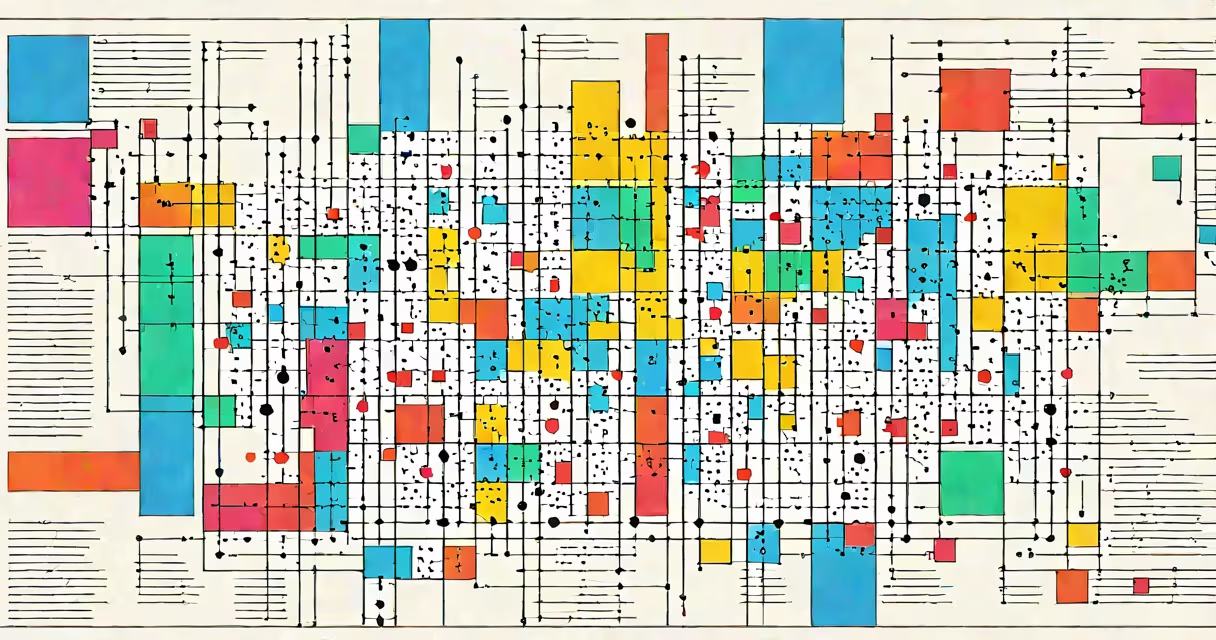
periodic table art is a visual representation of the chemical elements arranged by atomic number, often styled with artistic flair-using color, form, symbolism, or narrative themes-to make scientific data engaging and aesthetically compelling. These works appear in classrooms, homes, galleries, and digital spaces, merging education with creative expression.
Unlike standard periodic tables used in textbooks, periodic table art prioritizes visual impact. Artists may assign unique shapes to elements, use symbolic imagery (like a flame for oxygen or a spiral for carbon), or apply color gradients based on electron configuration. Some versions depict elements as characters, animals, or architectural forms. The goal is not just accuracy-but emotional resonance and memorability.
One notable example is the "Periodic Table of Elements" poster by artist J. W. M. van der Meer, which uses layered textures and abstract geometry to represent atomic structure. Another is the "Elemental Men" series by illustrator Benji B, where each element is personified as a superhero with powers reflecting its real-world behavior-iron as a durable warrior, gold as a radiant king. These designs are shared widely online and have been featured in science museums.
Creating periodic table art begins with the core data: atomic number, symbol, name, and atomic mass. But beyond that, the artist makes choices about layout, color theory, and thematic focus. A linear arrangement follows the traditional format, but many artists deviate-using circular, spiral, or even 3D grid layouts.
Color selection is critical. Many artists use the "color-coded" system based on element families: metals in blues and grays, nonmetals in greens and yellows, noble gases in soft whites. Others use temperature-based palettes-red for reactive elements, blue for stable ones. The Royal Society of Chemistry's 2016 "Elements in Colour" project mapped each element to a specific hue based on its physical properties, later adapted into large-scale wall murals.
A key insight often missed: the visual weight of an element isn't proportional to its abundance. For example, lithium (atomic number 3) appears small in most scientific tables, but in art, it might be enlarged to show its role in batteries-a nod to modern relevance. This intentional distortion turns data into storytelling.
Artists use several approaches to reinterpret the periodic table. The table below outlines common styles and their defining traits.
| Style | Visual Traits | Use Case | Example |
|---|---|---|---|
| Minimalist | Monochrome, clean lines, limited palette | Wall decor, academic settings | "The Elements" by David S. Goodsell (2013) |
| Thematic | Animals, mythological figures, or cultural symbols | Classroom teaching, public installations | "Mythical Elements" by L. P. Tran (2021) |
| Interactive | Augmented reality, touch-sensitive surfaces | Museums, STEM outreach | Smithsonian's "Living Periodic Table" app (2020) |
| Abstract | Geometric patterns, overlapping layers, surreal forms | Gallery exhibitions, digital art | "Quantum Chroma" by N. K. Lee (2022) |
Each style serves a different purpose. Minimalist designs work well in labs or study spaces where clarity matters. Thematic versions engage younger audiences by linking elements to familiar concepts-oxygen as breath, iron as blood. Abstract pieces challenge viewers to interpret meaning, turning science into art.
Periodic table art appears in schools, universities, science centers, and private collections. Its primary function is not data storage-it's engagement. According to a 2021 study by the National Science Teaching Association, students exposed to themed periodic table visuals showed 27% higher recall of element properties compared to those using standard tables.
In homes and offices, periodic table art functions as both decoration and conversation starter. A 2023 survey by the American Chemical Society found that 64% of respondents who displayed science-themed art reported increased interest in chemistry among family members, especially children under 12.
I once visited a high school in Portland where a student-designed periodic table mural covered a 12-foot wall. Each element was illustrated with a short poem and a sketch of its real-world use-platinum in catalytic converters, iodine in thyroid health. Teachers reported that students began asking questions about elements they'd previously ignored. That moment confirmed what research supports: visual storytelling enhances learning.
Many assume periodic table art is purely decorative or lacks scientific validity. This is incorrect. While aesthetics are central, most reputable works still adhere to established chemical principles. The International Union of Pure and Applied Chemistry (IUPAC) maintains the official periodic table, and artists reference it for accuracy-even when stylizing.
A frequent error is confusing "periodic table art" with "elemental tattoos." Tattoos may feature single elements or symbols, but they don't represent the full system. True periodic table art shows relationships between elements-groupings, trends, periodicity. A tattoo of iron might reflect personal significance, but it doesn't convey how iron fits into the transition metals or why it's magnetic.
Another misconception: that all periodic table art is modern. In fact, early versions date back to the 19th century. Dmitri Mendeleev's original 1869 table included predictions for undiscovered elements-some of which were later confirmed. His handwritten draft, now preserved at the Russian Academy of Sciences, is considered a foundational piece of scientific art.
periodic table art is not a replacement for scientific data-it's a bridge. It translates complex atomic information into accessible, memorable visuals. When designed with care, it increases retention, sparks curiosity, and reveals the beauty hidden in elemental structure.
At its core, periodic table art proves that science and creativity are not opposites-they're partners in discovery.