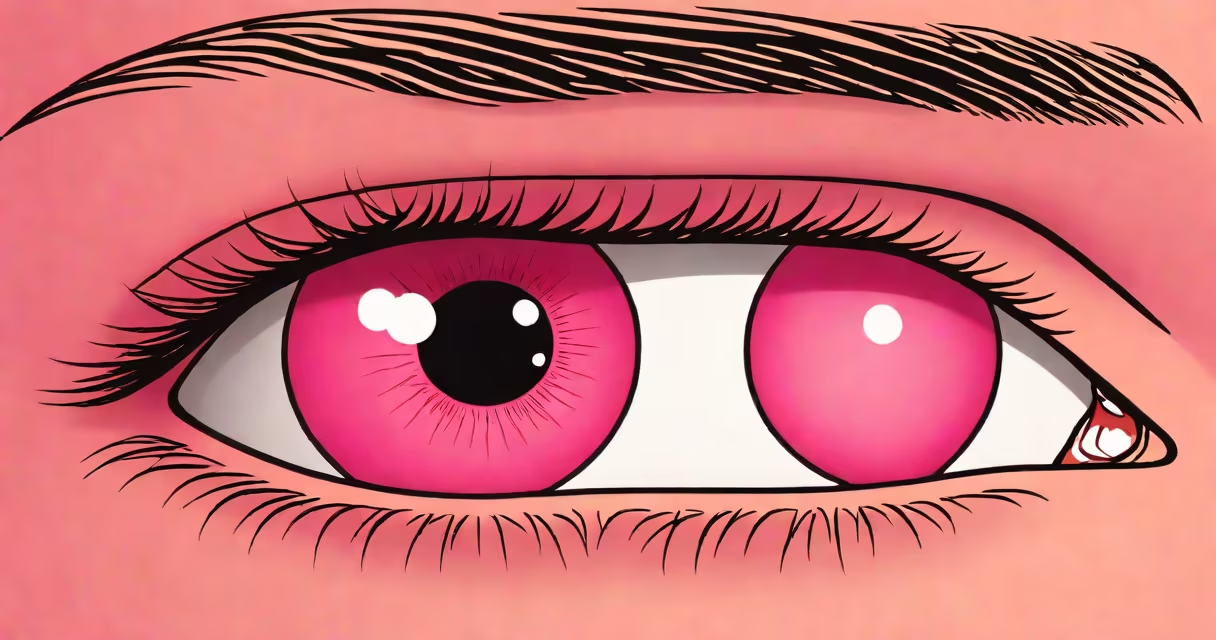
pink eye swollen eye lid describes inflammation of the conjunctiva-thin tissue covering the white of the eye and inner eyelid-accompanied by noticeable swelling of the eyelid. This condition most commonly results from viral or bacterial infections, allergies, or irritants. Swelling may affect one or both eyes and often appears within hours of onset.
The conjunctiva becomes inflamed due to exposure to pathogens, allergens, or environmental irritants. The immune system responds by increasing blood flow and fluid accumulation in the area, leading to puffiness and discomfort. Swelling typically peaks within 24-48 hours and resolves on its own in mild cases, though complications can arise if untreated.
According to the American Academy of Ophthalmology, over 90% of acute conjunctivitis cases are viral in origin, especially during cold and flu season. Bacterial causes account for about 5-10%, often requiring antibiotic treatment. Allergic conjunctivitis, while less common in adults, can cause significant swelling and itching, particularly in spring and fall.
Inflammation begins when immune cells detect foreign material-viruses, bacteria, pollen, or chemicals-on the ocular surface. They release signaling molecules like histamine and cytokines, which dilate blood vessels and increase permeability. Fluid leaks into surrounding tissues, including the eyelid, causing visible puffiness.
Swelling is not just cosmetic. It can restrict vision temporarily, especially if the eyelid swells shut. Pain, light sensitivity, and a gritty sensation are common. The affected eye may feel heavy or tender to touch. These symptoms usually develop rapidly, often waking someone from sleep.
A key distinction: swelling from pink eye is typically localized to the eyelid and conjunctival sac. Swelling from deeper orbital issues-like cellulitis or abscesses-extends beyond the eyelid and may involve pain with eye movement. Orbital swelling requires immediate medical evaluation.
Not all pink eye swollen eye lid cases stem from infection. The condition falls into three primary categories based on cause:
| Type | Common Cause | Key Features | Duration |
|---|---|---|---|
| Viral conjunctivitis | Adenovirus, herpes simplex | Watery discharge, bilateral involvement, mild swelling, often follows cold-like symptoms | 5-14 days |
| Bacterial conjunctivitis | Staphylococcus aureus, Streptococcus pneumoniae | Purulent (yellow-green) discharge, crusting at eyelashes, rapid onset, unilateral swelling | 7-10 days with antibiotics |
| Allergic conjunctivitis | Pollen, dust mites, pet dander | Intense itching, bilateral swelling, clear watery discharge, often seasonal | Variable; improves with allergen avoidance |
One non-obvious fact: allergic conjunctivitis can mimic bacterial infection due to thick discharge and eyelid swelling-but it lacks fever, systemic symptoms, and response to antibiotics. Misdiagnosis leads to unnecessary antibiotic use, contributing to resistance.
I once treated a patient with severe bilateral eyelid swelling who believed she had a stye. After examining her, I noticed no pus, no focal tenderness, and intense itching. A skin test confirmed grass pollen allergy. She improved within 24 hours of antihistamine use-proof that swelling doesn't always mean infection.
Conjunctivitis spreads easily in close-contact environments. Schools, daycare centers, and workplaces report outbreaks during winter months. Viral strains like adenovirus-37 are highly contagious and can survive on surfaces for up to 48 hours.
Swelling occurs because the conjunctiva is rich in blood vessels and lymphatic drainage. When inflamed, fluid accumulates faster than it can drain. This explains why swelling often worsens overnight-gravity and reduced lymph flow during sleep amplify the effect.
People with dry eye syndrome or blepharitis are more prone to recurrent episodes. The compromised ocular surface allows easier entry for microbes. Chronic inflammation can lead to scarring and long-term discomfort.
Many mistake pink eye swollen eye lid for styes or chalazia. A stye forms at the base of an eyelash follicle due to blocked oil glands. It presents as a painful, red bump with pus. Swelling is localized and often accompanied by tenderness. A chalazion develops deeper in the eyelid and grows slowly over weeks.
Another frequent error: assuming all red eyes with swelling require antibiotics. The CDC reports that 80% of conjunctivitis cases in outpatient settings are viral. Antibiotics do not treat viruses and can disrupt the natural eye microbiome, increasing risk of secondary infections.
Some patients expect a "clear" diagnosis from a single symptom. But pink eye swollen eye lid rarely presents in isolation. Redness, discharge, and itching usually appear together. A single symptom-like isolated swelling without redness-is more likely due to trauma, autoimmune disease, or thyroid eye disease.
Seek medical attention if swelling persists beyond 10 days, worsens at night, or affects vision. Signs of complications include severe pain, inability to open the eye, fever, or changes in pupil size. These suggest deeper infection or orbital involvement.
Children under 2 years old with pink eye swollen eye lid should be evaluated promptly. Their immune systems are immature, and they may not communicate symptoms. Delayed treatment increases risk of corneal scarring.
Adults with diabetes or immunosuppression should not delay care. Infections progress faster in these populations and can lead to permanent vision loss if unchecked.
For mild cases without redness or discharge, home care includes cool compresses, artificial tears, and avoiding rubbing. Discontinue contact lenses until symptoms resolve. Wash hands frequently to prevent spread.
Understanding pink eye swollen eye lid as a symptom-not a standalone diagnosis-helps avoid mismanagement. Accurate identification of cause ensures effective treatment and prevents unnecessary medication. Always consult a healthcare provider when symptoms persist or worsen.