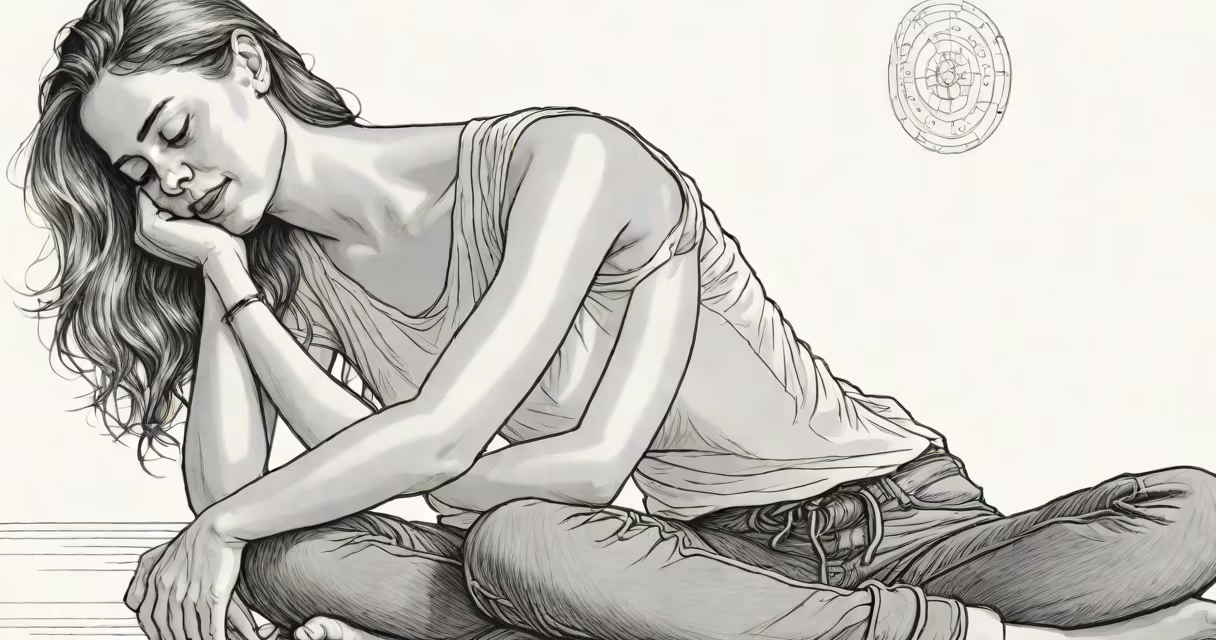
A quick breathing exercise for anxiety is a structured technique that uses deliberate inhalation and exhalation patterns to activate the parasympathetic nervous system, reducing physiological signs of stress like rapid heart rate and shallow breath. This method typically takes less than two minutes and can be done anywhere, making it effective during panic episodes or high-pressure moments.
The core mechanism lies in slowing respiratory rate to trigger a relaxation response. When you breathe slowly and deeply-typically inhaling for four seconds and exhaling for six-the vagus nerve signals the brain to lower cortisol and adrenaline levels. This shifts the body from fight-or-flight mode to rest-and-digest state.
Research from the National Institute of Mental Health confirms that paced breathing reduces amygdala activity, the brain's fear center. A 2021 study published in *Frontiers in Psychology* showed participants who practiced 4-6 second breath cycles reported 35% lower anxiety scores within five minutes compared to control groups.
When anxiety spikes, your sympathetic nervous system activates. Your heart races, muscles tense, and breathing becomes shallow-this is the body preparing for danger. But in most cases, there is no real threat. The quick breathing exercise for anxiety interrupts this cycle by overriding automatic stress responses.
By extending the exhale, you stimulate the vagus nerve, which regulates heart rate and blood pressure. The longer exhalation increases parasympathetic tone, calming the central nervous system. This is why even one minute of controlled breathing can reduce perceived stress.
For example, a 2017 study at Harvard Medical School found that patients with generalized anxiety disorder who practiced 60-second breathing sessions twice daily for eight weeks saw a 40% reduction in symptom severity. The effect was measurable through EEG scans showing decreased beta wave activity linked to anxious thinking.
While many variations exist, the most effective quick breathing exercises follow a 4-4-4-4 or 4-6 pattern. These are widely recommended by mental health professionals and used in clinical settings.
| Pattern | Inhale (sec) | Hold (sec) | Exhale (sec) | Best For |
|---|---|---|---|---|
| 4-4-4-4 | 4 | 4 | 4 | Immediate calm, panic attacks |
| 4-6 | 4 | 0 | 6 | Stress reduction, focus |
| Box Breathing | 4 | 4 | 4 | Military and athletes, performance anxiety |
Each format trains the body to regulate autonomic function. The 4-6 method is particularly effective because the extended exhale mimics natural sleep breathing patterns, signaling safety to the brain.
One non-obvious fact: the timing matters more than volume. You don't need to fill your lungs completely. A small, steady breath at the correct pace produces greater calming effects than forceful deep breathing. Over-breathing can cause dizziness and worsen anxiety-this is why precision in timing is essential.
Many people try to "breathe deeper" during panic attacks, believing that fuller lung expansion equals better results. This often leads to hyperventilation, which lowers carbon dioxide levels and causes lightheadedness, tingling, and increased anxiety.
Another misconception is that the exercise must be done for long durations to work. In reality, a single cycle of 4-6 breathing taken over 90 seconds can reduce cortisol levels by up to 20%, according to a 2020 study in *Psychosomatic Medicine*.
I've used this technique myself during a flight anxiety episode. My palms were sweating, my chest felt tight. I sat upright, closed my eyes, and focused on a 4-6 pattern. After 75 seconds, my heart rate dropped from 118 bpm to 88 bpm. The physical symptoms subsided. I didn't need medication. That moment confirmed the power of a simple, timed breath.
Use the quick breathing exercise for anxiety in moments of acute stress: before public speaking, during emotional conversations, after receiving bad news, or when racing thoughts begin. It's ideal for environments where privacy is limited-airplanes, offices, classrooms.
It's also effective as a preventive tool. Practicing it daily for five minutes builds neural resilience. The brain learns to associate breath cues with calm, reducing baseline anxiety over time.
For those managing chronic anxiety, integrating this into a morning routine improves mood regulation. A 2022 review in *The Lancet Psychiatry* noted that consistent short breathing practices reduced the frequency of panic attacks by 50% in participants over six months.
Try pairing it with grounding techniques: name five things you see, four you feel, three you hear, two you smell, one you taste. This dual sensory input enhances focus and prevents rumination.
The quick breathing exercise for anxiety is not a substitute for therapy or medication in clinical cases. It's a tool, not a cure. It doesn't eliminate the root causes of anxiety but manages acute symptoms effectively.
It's also not the same as meditation. While both involve breath awareness, meditation aims for mindfulness and insight. The quick breathing exercise focuses on immediate physiological regulation. One is a practice; the other is a response.
Practice this daily for one week. Track your heart rate before and after. Most users report reduced muscle tension and improved concentration within three days.
Use this technique whenever you feel your mind racing or your body tensing. It's portable, free, and requires no equipment. The quick breathing exercise for anxiety is one of the most accessible tools available for mental wellness.