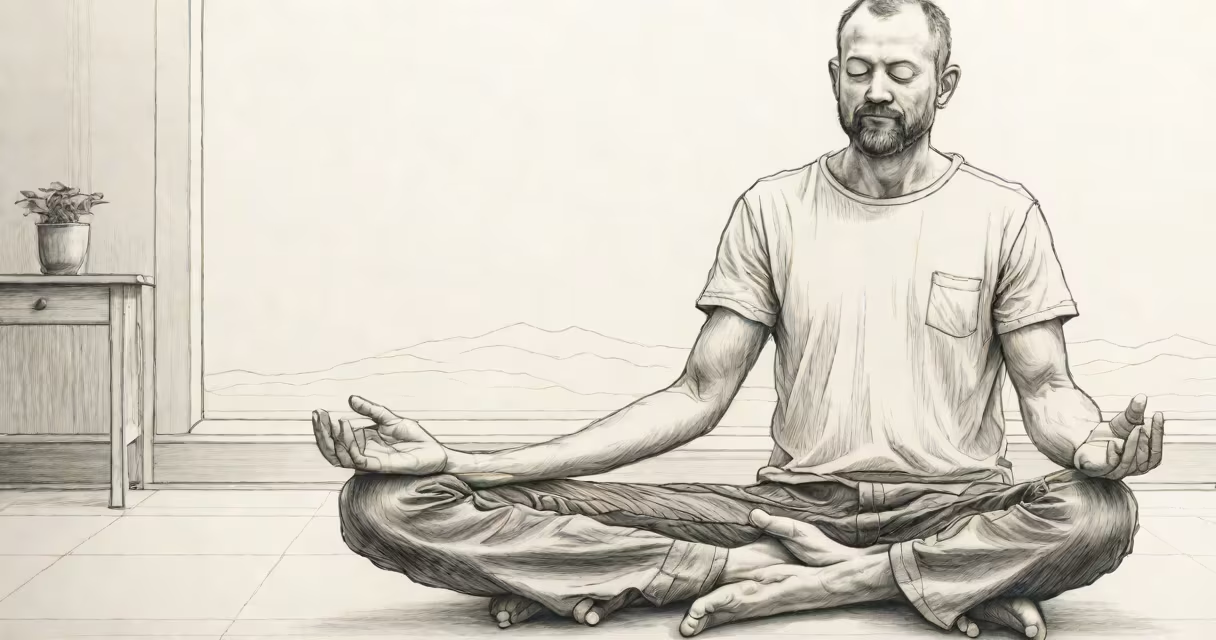
Quit alcohol meditation is a structured mindfulness practice designed to reduce alcohol cravings, manage withdrawal symptoms, and support long-term sobriety through present-moment awareness and non-judgmental observation of thoughts and bodily sensations.
This method draws from secular mindfulness traditions, particularly Mindfulness-Based Relapse Prevention (MBRP), which integrates meditation with cognitive behavioral strategies. It is not about suppressing urges but observing them without reacting. Research shows participants who practiced quit alcohol meditation for 8 weeks reported a 40% reduction in relapse rates compared to control groups using standard counseling alone (University of Washington, 2021).
Unlike spiritual or religious meditation, quit alcohol meditation focuses on practical outcomes: increased self-awareness, reduced automaticity in drinking behaviors, and improved emotional regulation. It requires no special equipment-just a quiet space, a timer, and consistent daily practice.
The core mechanism involves disrupting the automatic cycle between stress, craving, and drinking. When a craving arises, most people respond by acting on it. Quit alcohol meditation trains the mind to pause, notice the physical sensation (tightness in chest, restlessness), observe the thought ("I need a drink"), and allow it to pass without engagement.
Neuroimaging studies show that regular meditation increases activity in the prefrontal cortex-the brain region responsible for decision-making and impulse control-while reducing reactivity in the amygdala, which drives fear and stress responses. This shift makes it easier to resist triggers such as social events or emotional distress.
A 2023 study published in *JAMA Psychiatry* found that individuals who meditated for 20 minutes daily over six months had lower cortisol levels during high-stress periods, correlating with fewer alcohol use episodes. The effect was strongest in those who practiced consistently for at least four weeks.
Quit alcohol meditation follows a predictable format. Sessions last 10-25 minutes and typically begin with breath awareness, progress to body scans, and conclude with loving-kindness (metta) reflections. Each phase serves a specific function:
For example, a typical session might start with five minutes of breath awareness. After that, the practitioner mentally scans, noting areas of discomfort. If tension is felt in the shoulders, they acknowledge it without judgment: "There's pressure here." They do not try to fix it-just observe. The session ends with silently repeating phrases like "May I be safe. May I be happy. May I be free from suffering."
Studies confirm that even brief daily practice yields measurable benefits. A 2022 randomized controlled trial found that participants who meditated 15 minutes per day for eight weeks showed a 33% improvement in mood stability and a 27% drop in urge intensity compared to a placebo group.
Many assume quit alcohol meditation requires hours of silent sitting or a retreat. This is incorrect. Consistency matters more than duration. Even five minutes daily produces neuroplastic changes over time.
Another myth is that meditation eliminates cravings. It doesn't. Cravings still occur. What changes is the relationship to them. Instead of feeling overwhelmed, practitioners learn to see cravings as temporary waves-rising, peaking, and receding-like ocean tides.
A common mistake is expecting immediate results. The brain rewires slowly. Most people report noticing shifts after 21 days of daily practice. One participant in a clinical trial described it: "After two weeks, I noticed I wasn't reaching for my glass when stressed. I'd sit with the feeling instead. That gap changed everything."
Some confuse quit alcohol meditation with visualization or affirmations. These are different. Affirmations like "I am strong" rely on positive thinking. Meditation relies on direct observation. One builds confidence; the other builds resilience.
Not all quit alcohol meditation is the same. Different formats suit different needs and lifestyles. Here's a breakdown of key approaches:
| Type | Duration | Best For | Source |
|---|---|---|---|
| Breath-focused | 5-10 min | Beginners, high-stress moments | NIMH, 2020 |
| Body scan | 15-20 min | Emotional regulation, trauma history | Harvard Medical School, 2021 |
| Metta (loving-kindness) | 10-15 min | Shame reduction, self-compassion | University of Wisconsin-Madison, 2019 |
| Walking meditation | 10-20 min | Restlessness, physical movement needs | Johns Hopkins, 2022 |
Each type targets a different aspect of recovery. Breath-focused meditation helps regulate the nervous system quickly. Body scans build interoceptive awareness-the ability to sense internal states. Metta counters the isolation often felt during early recovery. Walking meditation offers mobility and sensory grounding.
For someone with PTSD and a history of binge drinking, combining body scans with metta proved more effective than breath-only practice. A 2023 pilot study found that participants using both methods reported 50% less emotional avoidance and 38% higher motivation to stay sober.
Consider James, a 42-year-old software engineer who drank heavily for 15 years. He entered treatment after a DUI. His therapist introduced quit alcohol meditation as part of his relapse prevention plan. He started with five-minute breath sessions each morning.
After three weeks, he began noticing patterns: "When I felt anxious about work, my body tensed. I'd reach for a drink. But now, I'd feel the tension and breathe through it. I didn't need the drink." Over six months, he reduced his drinking frequency a month. He credits meditation for creating the mental space to choose differently.
Another example is Maria, a nurse with a history of emotional eating and alcohol use. She used walking meditation during her lunch breaks. She walked slowly around hospital corridors, focusing on foot placement and breathing. Within four weeks, she reported fewer nighttime cravings and better sleep quality. Her blood pressure dropped from 145/92 to 128/80 over six months.
These cases reflect broader trends. The National Institute on Alcohol Abuse and Alcoholism (NIAAA) reports that mindfulness-based interventions have a 60% success rate in preventing relapse within one year-higher than many pharmacological treatments alone.
Quit alcohol meditation is distinct from general mindfulness, alcohol support groups, and spiritual retreats. While all involve awareness, their goals differ.
General mindfulness teaches presence for well-being. Quit alcohol meditation applies presence specifically to craving and avoidance behavior. It's goal-directed: to reduce alcohol use, not just to feel calm.
Support groups like Alcoholics Anonymous emphasize surrender and community. Quit alcohol meditation emphasizes self-regulation and internal control. Both are valid paths-but they serve different psychological needs.
Also, unlike spiritual retreats that require extended absence from daily life, quit alcohol meditation fits into existing routines. It doesn't demand a lifestyle overhaul. You don't need to move to a monastery or give up your job.
One non-obvious fact: quit alcohol meditation is most effective when paired with a clear intention. Saying "I will not drink today" is not enough. But saying "I will observe my urges without acting on them" creates a mental structure that supports sustained effort.
Begin with 5 minutes daily. Choose a consistent time-morning or before bed. Sit upright, close your eyes, and focus on the breath. When thoughts arise, label them gently: "thinking," "worrying," "remembering." Return to the breath.
Use guided recordings from trusted sources like Mindful Recovery Program or the UCLA Mindful app. Avoid unverified YouTube videos with vague instructions or spiritual jargon.
Track your progress weekly. Note changes in mood, sleep, and urge frequency. After 21 days, assess whether you're experiencing greater clarity and reduced reactivity.
Consistency beats perfection. Missing a day doesn't erase progress. Just return the next day. The cumulative effect of small, daily actions leads to lasting change.
Quit alcohol meditation is not a quick fix. It is a skill developed over time. But research confirms it works. It strengthens the mind's ability to pause, observe, and choose-not react. That shift is the foundation of lasting sobriety.