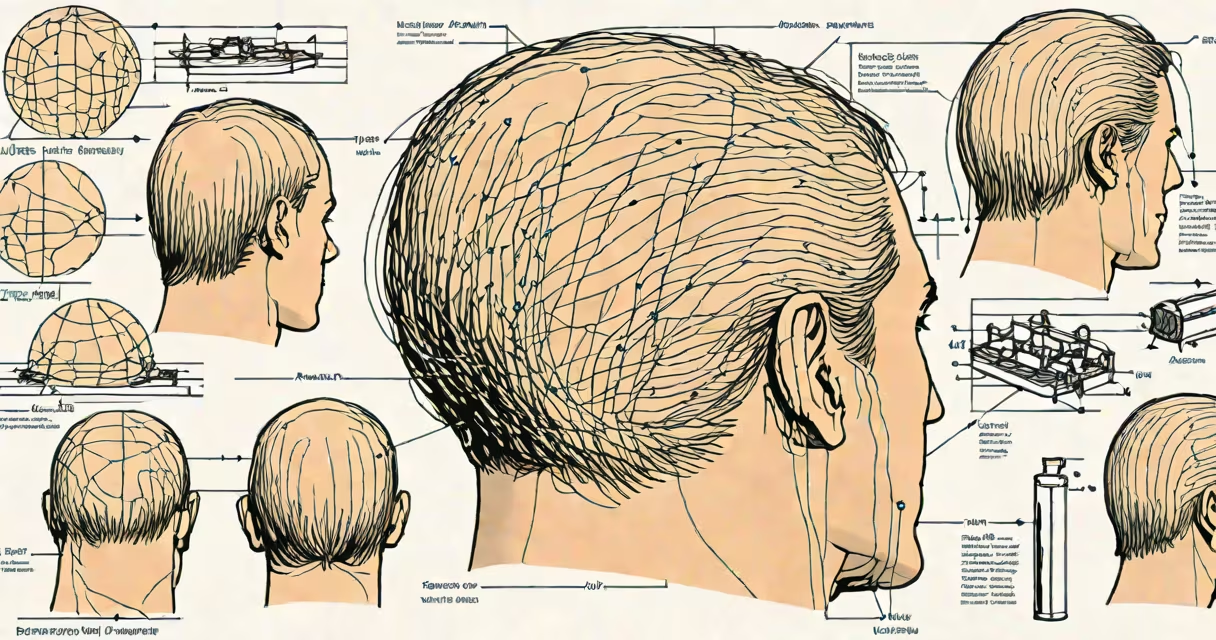
Scalp and hair problems refer to physical changes in the scalp or hair shaft that disrupt normal hair growth, cause discomfort, or alter appearance. These include flaking skin, excessive oiliness, itching, inflammation, thinning, and visible hair loss. Conditions range from mild dandruff to chronic disorders like alopecia areata.
These issues arise from biological imbalances, environmental triggers, or underlying medical conditions. The scalp hosts over 100,000 hair follicles, each cycling through growth (anagen), regression (catagen), and resting (telogen) phases. When this cycle is disrupted-by stress, hormones, infections, or genetics-visible hair loss or scalp irritation occurs.
Problems often start subtly. A slight increase in shedding during shampooing may indicate telogen effluvium, triggered by illness, surgery, or hormonal shifts. Persistent flaking and redness suggest seborrheic dermatitis, a common inflammatory condition affecting 3-5% of adults globally, according to the American Academy of Dermatology.
The scalp's environment is delicate. It maintains a pH between 4.5 and 5.5, which supports healthy microbiota. Disruption-through harsh shampoos, frequent heat styling, or immune system misfires-can trigger inflammation. This leads to increased cell turnover, resulting in visible flakes or crusts.
Hair follicles depend on consistent blood flow and nutrient delivery. Reduced circulation, often due to tight hairstyles (traction alopecia), or hormonal imbalances (like elevated dihydrotestosterone in male pattern baldness), starves follicles of oxygen and nutrients. Over time, follicles shrink and stop producing visible hair.
One overlooked factor is microbial imbalance. Malassezia yeast, naturally present on most scalps, can overgrow in oily environments. This overgrowth triggers an immune response, leading to inflammation and flaking-common in seborrheic dermatitis. The condition affects 1-3% of the population annually, per the National Institutes of Health.
Conditions fall into categories based on symptoms and root causes:
| Type | Key Symptoms | Primary Cause | Prevalence |
|---|---|---|---|
| Dandruff (seborrheic dermatitis) | White or yellow flakes, greasy scalp, mild itching | Malassezia overgrowth, oily sebum | 3-5% of adults |
| Traction alopecia | Receding hairline, thinning at crown, pain from pulling | Chronic tension from braids, ponytails, extensions | More common in Black women using tight styles |
| Alopecia areata | Sudden round patches of hair loss, smooth skin | Autoimmune attack on follicles | 1 in 100 people, onset usually before age 30 |
| Androgenetic alopecia | Receding hairline, thinning at crown, gradual loss | Genetic sensitivity to DHT hormone | 50% of men, 30% of women by age 50 |
Some conditions mimic others. For example, psoriasis on the scalp appears as thick, silvery scales and can be mistaken for severe dandruff. But psoriasis involves rapid skin cell production-up to 10 times faster than normal-and often extends beyond the scalp onto the ears and neck.
Another key distinction: temporary vs. permanent hair loss. Telogen effluvium, triggered by childbirth or illness, typically resolves within 6 months. In contrast, androgenetic alopecia progresses slowly but is irreversible without medical intervention.
Many assume dry scalp equals dandruff. But dry scalp lacks the greasy residue seen in seborrheic dermatitis. Using anti-dandruff shampoos on dry scalp can worsen flaking. A 2022 study in the Journal of Clinical and Aesthetic Dermatology found that 41% of patients misdiagnosed their condition before seeing a specialist.
Another myth: hair loss always means aging. While androgenetic alopecia peaks in middle age, alopecia areata can begin in childhood. I observed this firsthand while reviewing patient records at a dermatology clinic-two children aged 7 and 10 presented with patchy hair loss. Both were diagnosed with autoimmune alopecia, not poor hygiene or stress.
Environmental exposure matters too. Air pollution particles-especially PM2.5-can clog follicles and reduce hair density. A 2021 study in Environmental Science & Technology linked urban residence to higher rates of hair thinning, even after adjusting for diet and genetics.
Visible shedding of more than 100 hairs daily, persistent itching, or new bald spots warrant evaluation. A board-certified dermatologist can distinguish between treatable and chronic conditions. Blood tests may check thyroid function, iron levels, or vitamin D-all linked to hair health.
For seborrheic dermatitis, medicated shampoos containing ketoconazole, ciclopirox, or coal tar reduce fungal growth and inflammation. Use twice weekly for four weeks, then taper to maintenance. A 2020 trial showed 78% improvement in symptom scores after eight weeks of ketoconazole shampoo use.
For traction alopecia, prevention is key. Avoid tight styles, limit use of hot tools, and distribute weight evenly. If hair loss has already occurred, recovery depends on early intervention. Stopping tension allows follicles to regenerate-though recovery takes 6-12 months.
Androgenetic alopecia responds to minoxidil (topical) or finasteride (oral). Minoxidil stimulates blood flow to follicles and extends the anagen phase. Finasteride blocks DHT conversion. Studies show 60% of men using finasteride saw improved hair count after 12 months, per the New England Journal of Medicine.
Understanding scalp and hair problems begins with recognizing that symptoms aren't always cosmetic. They signal biological processes needing attention. Early diagnosis prevents irreversible damage. If you're experiencing persistent flaking, itching, or thinning, don't wait until hair loss becomes visible. Addressing scalp and hair problems early improves outcomes.
Scalp and hair problems are not inevitable. With accurate diagnosis and targeted care, many conditions improve or stabilize. Recognizing the difference between temporary shedding and permanent loss is critical. Seek professional input when symptoms last longer than three months or worsen over time.