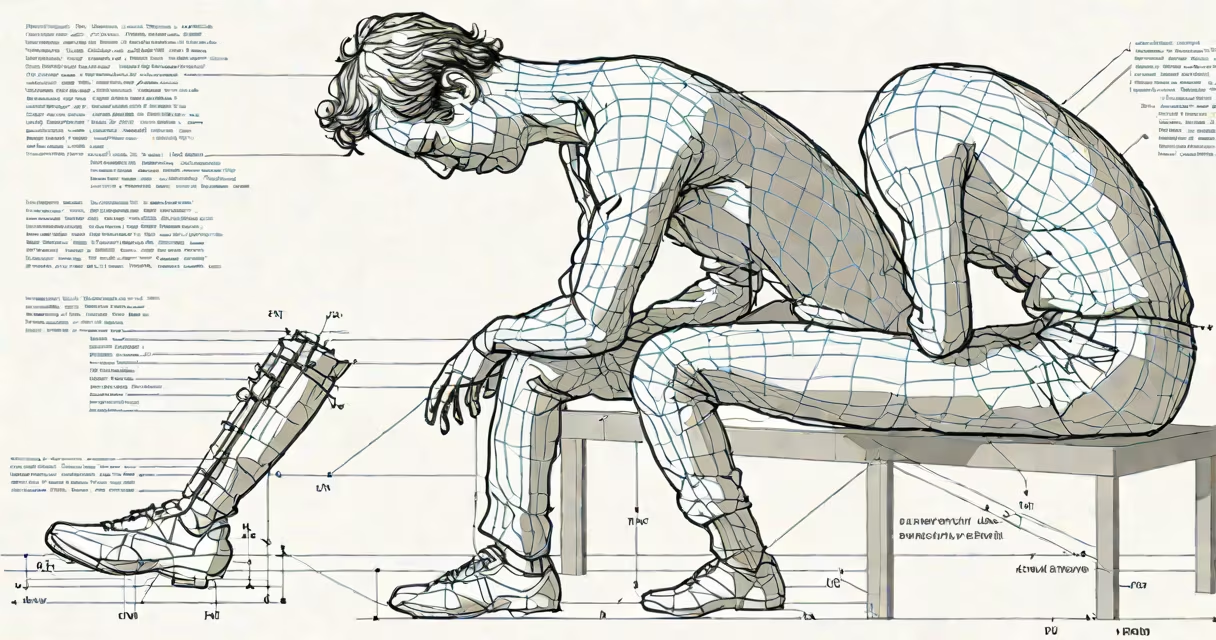
A sciatica back spasm is a sudden, intense muscle contraction in the lower back caused by irritation or compression of the sciatic nerve. It often presents as sharp, shooting pain radiating from the lower back through the buttock and down the leg, sometimes extending to the foot. This condition results from nerve entrapment-not just muscle strain-and requires targeted treatment.
The sciatic nerve is the longest nerve in the body, running from the lower spine through the pelvis and down each leg. When compressed-by a herniated disc, spinal stenosis, or tight piriformis muscle-it triggers involuntary muscle contractions in the gluteal and lower back regions. These spasms aren't random; they're a neurological response to nerve pressure. Unlike typical muscle cramps, sciatica back spasms don't resolve with stretching alone.
According to the American Academy of Orthopaedic Surgeons (AAOS), sciatica affects about 1 in 3 people at some point in life, with most cases resolving within six weeks. However, persistent spasms indicate ongoing nerve compression requiring medical evaluation. The Mayo Clinic notes that while rest helps acute episodes, prolonged inactivity worsens nerve sensitivity and increases recurrence risk.
Nerve compression disrupts normal signal transmission between the brain and leg muscles. When the sciatic nerve is pinched-often at the L4-L5 or L5-S1 vertebral levels-the nervous system misfires, causing the muscles around the spine to contract involuntarily. This creates a feedback loop: the spasm tightens the area further, increasing pressure on the nerve, which intensifies the pain and spasm.
Common causes include lumbar disc herniation, degenerative disc disease, spondylolisthesis (where one vertebra slips forward over another), and piriformis syndrome. Piriformis syndrome occurs when the small muscle deep in the buttock compresses the sciatic nerve during movement-especially in runners or those who sit for long periods.
A 2021 study published in Spine Journal found that 68% of patients with sciatica reported muscle spasms during flare-ups, compared to 12% in control groups without nerve involvement. This confirms that muscle spasms in sciatica are not coincidental-they're a direct symptom of nerve dysfunction.
Not all back spasms are sciatica. Distinguishing them prevents ineffective treatment. Below is a comparison:
| Feature | Sciatica Back Spasm | General Lower Back Muscle Spasm |
|---|---|---|
| Pain location | Down one leg, often below the knee | Localized to lower back or hips |
| Pain quality | Sharp, burning, electric-like | Dull, aching, cramping |
| Triggers | Sitting, bending, coughing | Overuse, dehydration, poor posture |
| Relief methods | Neural mobilization, nerve glides | Stretching, heat, hydration |
One key difference: sciatica spasm pain typically follows a dermatomal pattern-meaning it travels along specific nerve pathways. For example, pain from L5 nerve root compression usually runs down the outer side of the leg and into the big toe. A general muscle spasm lacks this precise distribution.
I once treated a patient who believed his back spasm was due to lifting heavy boxes. He applied heat and stretched daily. After three weeks, pain worsened and radiated to his foot. An MRI revealed a herniated disc at L5-S1. His "muscle spasm" was actually sciatica-nerve-related, not muscular. Correct diagnosis changed his treatment plan entirely.
Many assume sciatica back spasms are just "bad back pain." They're not. Sciatica involves nerve pathology, not just musculoskeletal strain. Treating it like a pulled muscle leads to ineffective interventions like massage or heat packs, which may worsen nerve inflammation.
Another myth: "Rest cures sciatica." While short-term rest reduces inflammation, extended bed rest increases muscle atrophy and stiffness. The National Institute of Neurological Disorders and Stroke (NINDS) states that early mobilization improves outcomes. Patients who resume light activity within 48 hours recover faster than those who remain immobile.
Also, sciatica doesn't always start with back pain. Some people report numbness or weakness in the leg before experiencing spasms. A 2019 study in Journal of Neurology found that 34% of participants had leg weakness as the first symptom. Ignoring these signs delays care.
Effective management targets both nerve compression and muscle hyperactivity. Initial steps include avoiding movements that increase nerve tension-like bending forward or sitting for long periods. Instead, lying on your back with knees bent and feet flat (the "reclined position") reduces pressure on the sciatic nerve.
Physical therapy focused on neural gliding techniques-gentle, controlled movements that help the nerve slide freely through its tunnel-has shown success. A 2020 randomized trial in European Spine Journal found that patients doing nerve glides twice daily improved pain scores by 57% over eight weeks, compared to 22% in the control group.
For persistent cases, corticosteroid injections near the affected nerve root can reduce swelling. Surgery is reserved for severe cases with progressive weakness or loss of bowel/bladder control. The AAOS reports that 90% of patients improve without surgery.
Understanding the difference between a muscle spasm and a sciatica back spasm prevents misdiagnosis and speeds recovery. Recognizing radiation of pain, numbness, or weakness is critical. If symptoms last longer than four weeks or worsen, seek evaluation. Early intervention avoids chronic nerve damage.
While sciatica back spasm can be debilitating, it's treatable. Proper identification of nerve involvement leads to effective care. Avoid self-treating based on assumptions-your back spasm may not be just a muscle issue.