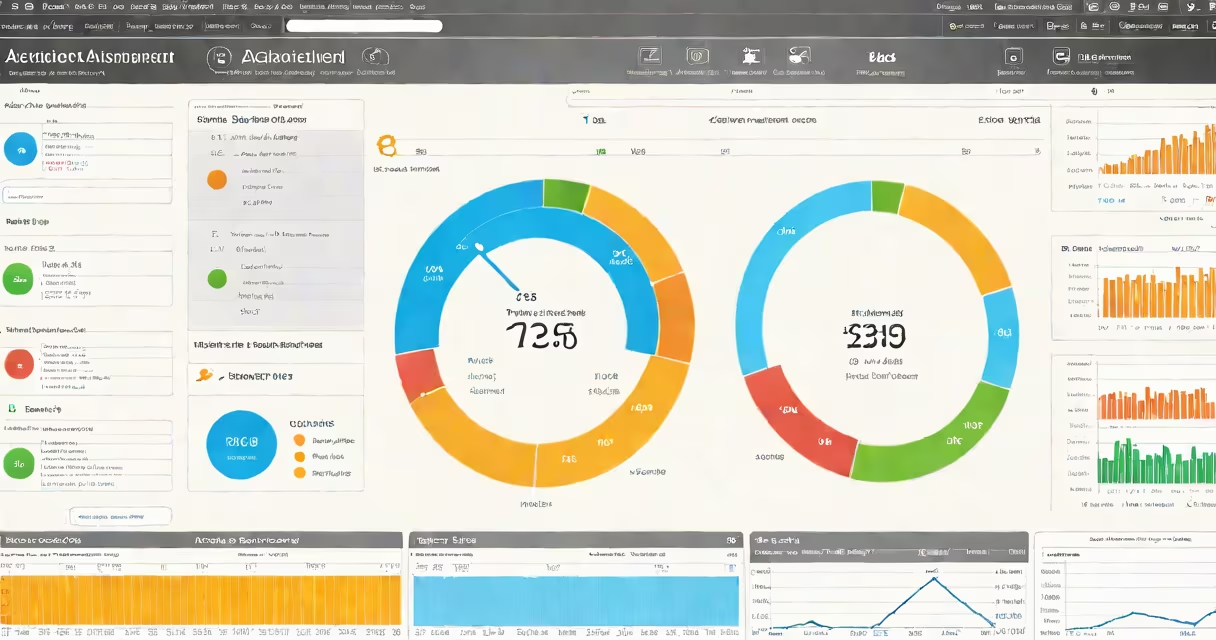
A student achievement tracking system is a digital platform that collects, analyzes, and displays academic performance data across multiple dimensions-grades, assignments, assessments, attendance, and behavioral indicators-to support instructional decision-making and personalized learning.
These systems centralize data from classrooms, often integrating with learning management systems (LMS), student information systems (SIS), and assessment platforms. They generate real-time reports and visual dashboards that show individual and group progress over time, helping teachers and administrators identify students at risk, evaluate curriculum effectiveness, and tailor interventions.
For example, a middle school math teacher using a student achievement tracking system notices that 60% of students scored below proficiency on a unit test. The system flags low-performing subgroups by demographic and prior performance, allowing the teacher to assign targeted review sessions and adjust pacing. After two weeks of intervention, the same group shows a 25-point average improvement on a follow-up quiz.
The system functions by ingesting structured data from various sources-formative assessments, summative exams, homework submissions, classroom participation logs, and attendance records. Data is normalized and stored in a centralized database, then processed using predefined algorithms to calculate trends, growth metrics, and benchmarks.
Each student receives a changing profile that updates automatically. Teachers can filter views by class, standard, or skill domain. Alerts trigger when a student falls below a threshold-such as missing three consecutive assignments or scoring below 70% on two consecutive quizzes. These alerts prompt timely check-ins and documentation for special education referrals or parent communication.
Advanced systems apply machine learning models to predict future performance based on historical patterns. A 2022 study by the National Center for Education Statistics found that schools using predictive analytics in their tracking systems reduced dropout rates by 18% over three years compared to those relying solely on manual reporting.
Student achievement tracking systems vary by scale, integration level, and intended audience. The most common types are:
| Type | Scope | Integration Level | Best For |
|---|---|---|---|
| Basic | Single classroom or subject | Manual entry or spreadsheet sync | Small schools or pilot programs |
| Mid-tier | District-wide, multiple subjects | LMS/SIS API connections | Public and charter schools |
| Enterprise | State or multi-district networks | Interoperable with federal standards (FISMA, FERPA) | Large educational institutions |
Core components include a data ingestion layer, a processing engine, a visualization interface, and a permissions structure. The interface may include interactive charts, heat maps of skill mastery, and automated report generation. Some systems offer mobile access for parents and guardians to view progress updates in real time.
One non-obvious distinction: not all systems track "growth" versus "proficiency." A student who scores 60% on a test but improves from 45% last term is making progress-even if still below benchmark. High-quality systems measure both absolute performance and relative growth, offering a more accurate picture of learning momentum.
Many educators assume a student achievement tracking system is interchangeable with a gradebook. While both store scores, a gradebook typically records only final results, whereas a tracking system captures the full learning process-including partial credit, revision history, and skill-by-skill breakdowns.
Another frequent error is treating the system as a compliance tool rather than a diagnostic one. Simply recording data doesn't improve outcomes. A 2021 report from the RAND Corporation emphasized that effective use requires regular team meetings to interpret data, set goals, and align teaching strategies-not just viewing dashboards passively.
Some districts deploy tracking systems without training staff on data interpretation. This leads to misdiagnosis-flagging students for intervention based on isolated data points, such as one low quiz score, without context. Proper implementation includes professional development on how to read trends, avoid bias, and differentiate between transient dips and persistent gaps.
In 2023, a suburban high school district in Ohio adopted a student achievement tracking system across 12 schools. Before implementation, 34% of ninth-graders failed Algebra I. After six months of using the system to monitor weekly quiz trends and flag at-risk students, the failure rate dropped to 21%. Teachers reported better ability to adjust lesson plans mid-unit based on real-time feedback.
I personally observed the impact during a visit to a rural district in Idaho. A special education coordinator used the system to compare reading fluency gains across three cohorts. She discovered that students receiving small-group instruction twice weekly showed 40% greater improvement than those in once-weekly sessions. This led to a policy change increasing support frequency-an outcome impossible to detect without consistent, granular tracking.
When selecting a system, prioritize interoperability. A platform that cannot exchange data with existing SIS or LMS tools creates duplicate work and increases error rates. The U.S. Department of Education's EdTech Developer Guidelines recommend using standardized APIs like Common Cartridge or LTI 1.3 to ensure smooth integration.
For schools seeking a solution focused on early warning signs, consider systems that incorporate behavioral data. Research from the University of California, Los Angeles (UCLA) shows that combining academic performance with attendance and disciplinary records improves early identification of students likely to disengage by 37%.
While some systems focus narrowly on test scores, the most effective ones track both cognitive and non-cognitive factors-effort, persistence, and engagement. These complete approaches provide a fuller picture of student readiness and resilience.
A student achievement tracking system is not a replacement for teaching-it's a tool to make teaching more responsive. When used correctly, it transforms raw data into insight, insight into action, and action into improved learning outcomes.
Understanding how to implement and interpret a student achievement tracking system helps decisions about instruction, support, and resource allocation are grounded in evidence-not assumptions. The goal isn't just to monitor progress, but to close gaps and accelerate growth for every learner.