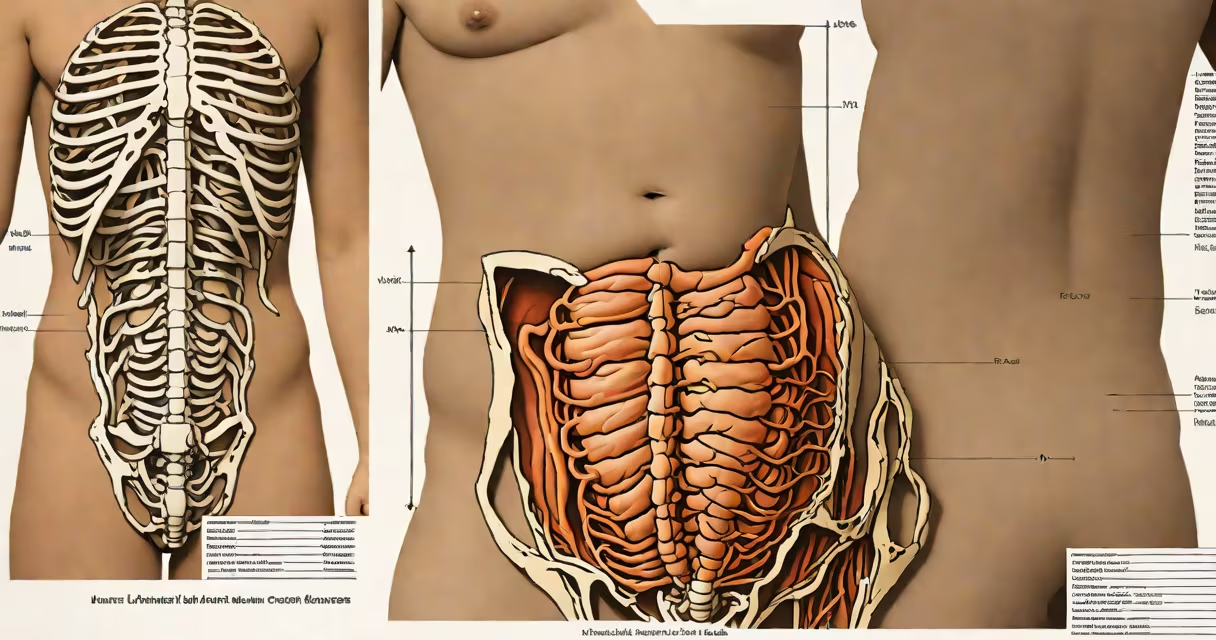
A swollen and bloated abdomen describes visible abdominal enlargement and a tight, uncomfortable sensation caused by excess gas, fluid accumulation, or intestinal distension. This condition may result from dietary habits, hormonal changes, or underlying medical issues such as irritable bowel syndrome (IBS), ovarian cysts, or ascites.
Abdominal bloating occurs when the gastrointestinal tract fills with air or gas during digestion. Swelling implies structural enlargement-often due to fluid retention or organ enlargement. The two often coexist, especially in chronic cases. A person may feel full quickly, notice their clothes fitting tighter, or see their belly visibly protrude.
According to the American College of Gastroenterology, bloating affects up to 16% of adults in the U.S., with women reporting it more frequently than men. Persistent bloating, especially when accompanied by weight gain, fatigue, or changes in bowel habits, warrants medical evaluation to rule out serious causes.
Bloating arises primarily from gas production in the gut. Bacteria in the large intestine ferment undigested carbohydrates-such as lactose, fructose, and fiber-producing gases like hydrogen and methane. These gases accumulate, stretching the intestinal walls and triggering distension. The sensation of pressure increases as the volume grows.
Swelling, however, involves fluid or tissue expansion. Ascites-the abnormal buildup of fluid in the abdominal cavity-can cause rapid abdominal enlargement. This occurs in liver disease, heart failure, or certain cancers. Ovarian tumors may also lead to progressive swelling, often misdiagnosed as weight gain or bloating.
Neurological signals from the gut also play a role. The enteric nervous system regulates motility. Slowed transit time allows more fermentation and gas retention. Conditions like IBS involve altered gut-brain signaling, leading to hypersensitivity and exaggerated bloating responses even with normal gas volumes.
Not all bloating is the same. Causes fall into categories based on origin: dietary, physiological, or pathological.
| Type | Common Triggers | Typical Duration | Associated Conditions |
|---|---|---|---|
| Dietary | High-FODMAP foods, carbonated drinks, chewing gum | Minutes to hours | IBS, lactose intolerance |
| Hormonal | Menstrual cycle, pregnancy, menopause | Days to weeks | Premenstrual syndrome (PMS), polycystic ovary syndrome (PCOS) |
| Pathological | Ascites, ovarian cancer, celiac disease | Chronic, progressive | Liver cirrhosis, malignancy, autoimmune disorders |
For example, a woman consuming a meal rich in beans, onions, and wheat (all high-FODMAP) may experience bloating within 30 minutes. Gas builds rapidly, causing cramping and visible distension. The bloating typically resolves within 4-6 hours as gas passes through the rectum.
In contrast, a 52-year-old woman with unexplained abdominal swelling over six weeks-despite no dietary changes-was later diagnosed with stage III ovarian cancer. Her initial symptoms were dismissed as "just bloating," delaying diagnosis by nearly five months. This illustrates how persistent swelling demands attention, even without pain or fever.
Swollen and bloated abdomen is often mistaken for weight gain or early pregnancy. However, bloating tends to fluctuate throughout the day and may come and go with meals. Weight gain from fat accumulation is more stable and gradual.
Another frequent mix-up is between functional bloating and mechanical obstruction. A patient with constipation may report bloating, but the absence of vomiting, inability to pass stool, or severe pain suggests functional rather than obstructive causes. Obstruction requires immediate imaging and potential surgery.
One overlooked distinction: bloating from gas is usually diffuse and soft to touch. Swelling from fluid (ascites) feels firm, tense, and may cause visible shifting of fluid when lying down. This difference is critical for self-assessment and clinical triage.
Red flags include sudden onset of swelling, unexplained weight loss, blood in stool, or fever. These suggest infection, malignancy, or inflammatory bowel disease. The National Institute of Diabetes and Digestive and Kidney Diseases notes that new-onset bloating after age 50 is a warning sign requiring evaluation.
I've seen patients delay seeking help for months because they believed bloating was "normal." One woman reported feeling "like she was pregnant" despite negative pregnancy tests. After a CT scan revealed a 12-centimeter ovarian mass, she underwent surgery. Her bloating resolved completely post-op.
If bloating persists beyond two weeks, worsens over time, or disrupts daily life, consult a healthcare provider. Initial assessment includes physical exam, blood work, and imaging like ultrasound or CT scan. For women, pelvic exams and transvaginal ultrasound are standard to assess reproductive organs.
Swollen and bloated abdomen is not a single condition but a symptom of multiple systems. Recognizing the difference between transient discomfort and persistent pathology saves time, reduces anxiety, and improves outcomes.