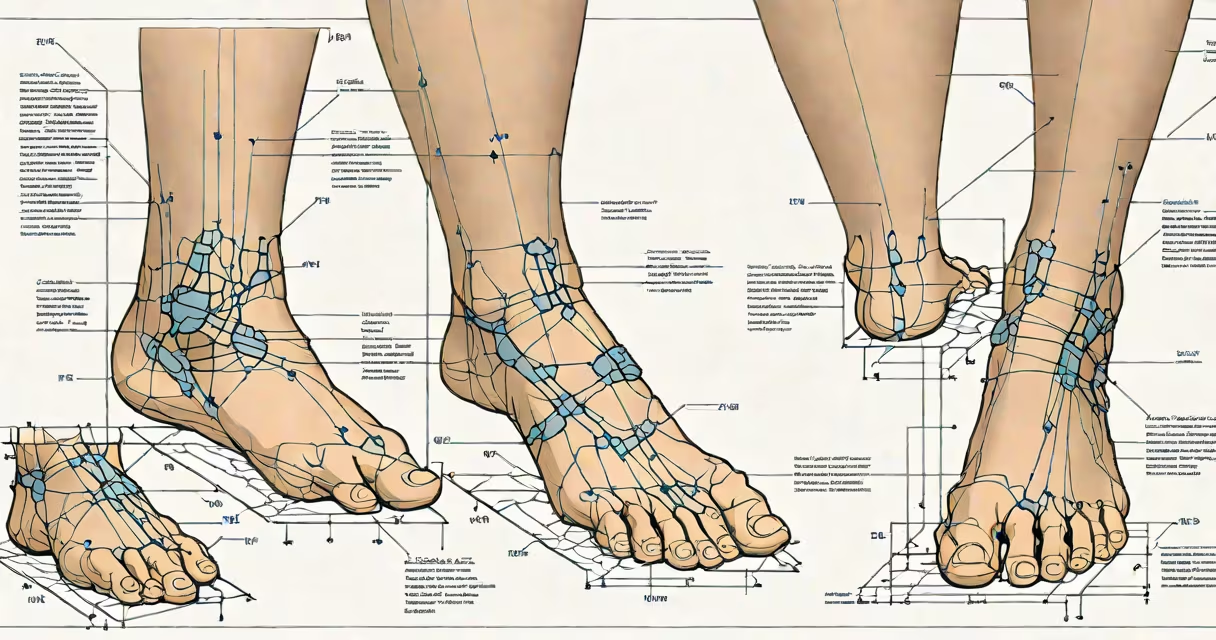
Swelling in legs, feet, and hands-also known as peripheral edema-is the accumulation of excess fluid in the tissues of the lower limbs and extremities. It often appears as puffiness, tightness in skin, or visible indentations when pressed. This condition may result from underlying health issues or temporary factors like prolonged standing.
Fluid buildup happens when capillaries leak plasma into surrounding tissues. Normally, the lymphatic system removes this fluid, but when drainage slows or pressure increases, swelling occurs. The most common sites are the feet and ankles due to gravity's pull, but hands can swell too-especially in the morning or during hormonal changes.
Swelling in legs, feet, and hands can develop suddenly or gradually. It may affect one side or both. Mild cases resolve with rest and elevation. Persistent or painful swelling requires medical evaluation to rule out serious conditions such as heart failure, kidney disease, or deep vein thrombosis.
When blood vessels dilate or become more permeable, fluid escapes into nearby tissue spaces. This fluid accumulates because the lymphatic system cannot keep pace. Factors that increase capillary pressure-like sitting or standing for long periods-exacerbate the issue.
For example, a person who stands for eight hours daily at work may notice their shoes feel tighter by evening. Pressing a thumb into the ankle reveals a slow-filling dent, a sign of pitting edema. This indicates fluid is trapped in the subcutaneous layer, not just surface moisture.
Chronic swelling can lead to skin changes. Over time, the skin becomes thickened, discolored, and less elastic. In advanced cases, wounds heal slowly and infections risk developing. Early intervention prevents progression.
Swelling in legs, feet, and hands stems from multiple systems. The most frequent causes fall into four categories: circulatory, renal, cardiac, and medication-related.
| Type | Underlying Condition | Key Features |
|---|---|---|
| Circulatory | Varicose veins, venous insufficiency | Swelling worsens with standing, improves with elevation. Often affects both legs symmetrically. |
| Renal | Chronic kidney disease, nephrotic syndrome | Face and eye swelling early; generalized puffiness. Urine may appear foamy. |
| Cardiac | Heart failure, reduced ejection fraction | Progressive swelling from feet upward. Accompanied by shortness of breath, fatigue. |
| Medication-induced | Calcium channel blockers, NSAIDs, steroids | Onset within days to weeks of starting a new drug. Reversible upon discontinuation. |
One non-obvious distinction: swelling in the hands is less likely to be caused by venous insufficiency than swelling in the feet. Hand edema more frequently signals systemic issues like thyroid dysfunction or autoimmune disorders. For instance, hypothyroidism reduces metabolic rate, slowing fluid clearance and causing myxedema-non-pitting swelling in the face, hands, and feet.
A 2022 study published in Journal of the American Heart Association found that bilateral lower limb edema was present in 68% of patients hospitalized with acute heart failure. Among those, 41% had no prior history of heart disease, underscoring the need for prompt assessment.
Not all swelling requires treatment. But certain warning signs indicate a need for immediate care. Swelling that is sudden, asymmetric, painful, or accompanied by redness, warmth, or fever may signal infection or clotting.
For example, a 58-year-old woman developed rapid swelling in her left calf after a long flight. She noticed red streaks and felt a burning sensation. A Doppler ultrasound confirmed a deep vein thrombosis (DVT). Without timely anticoagulation, DVT can lead to pulmonary embolism-a life-threatening event.
Other red flags include:
I once observed a patient with severe leg swelling who had been taking amlodipine for hypertension. After two weeks, his ankles swelled. Removing the medication led to resolution within five days. This case illustrates how common drugs contribute to peripheral edema-often overlooked until symptoms persist.
Doctors begin with a physical exam and medical history. They assess whether swelling is pitting (indentation remains) or non-pitting (skin feels firm). Pitting edema suggests fluid overload; non-pitting may indicate lymphedema or fibrosis.
Laboratory tests such as serum creatinine, BUN, and urinalysis help identify kidney or liver involvement. An echocardiogram evaluates heart function. Imaging like ultrasound detects DVT or structural abnormalities.
Treatment targets the root cause. Diuretics reduce fluid volume in heart or kidney failure. Compression stockings support venous return in chronic venous insufficiency. Lifestyle changes-reducing salt intake, avoiding prolonged standing, elevating limbs-help manage mild cases.
Swelling in legs, feet, and hands is not a standalone diagnosis. It's a symptom. Understanding its origin prevents complications. If swelling lasts more than a few days, worsens, or affects mobility, seek medical advice.