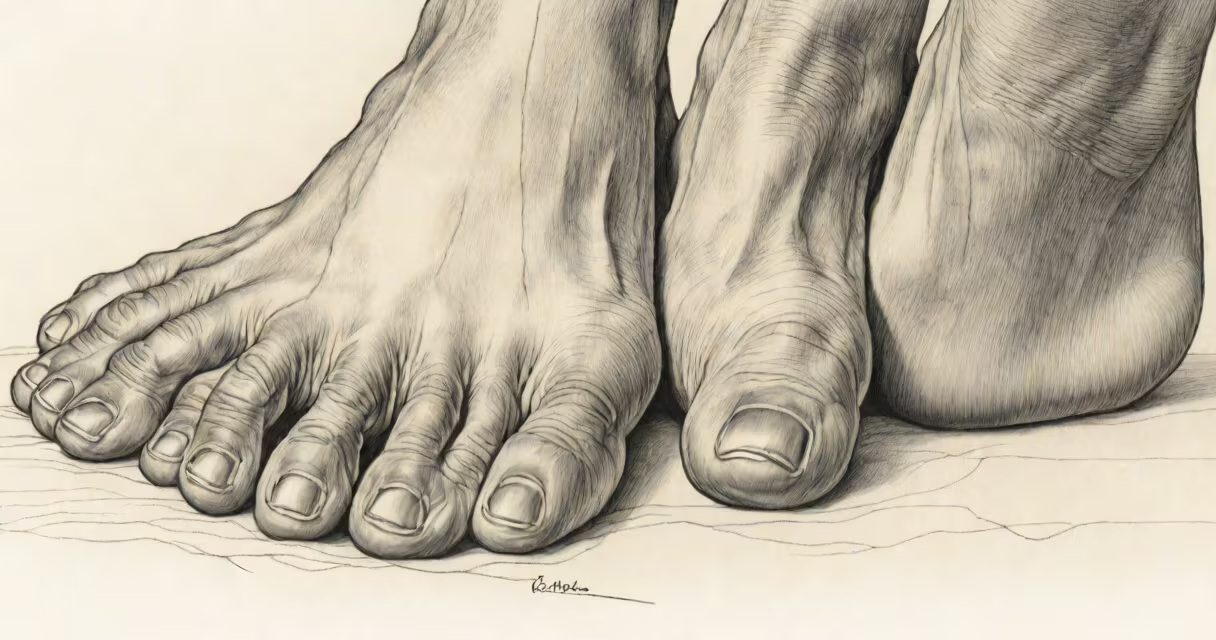
Tingling in the bottom of my feet is a sensory symptom caused by abnormal nerve activity, often indicating underlying neurological or circulatory issues. It may feel like pins and needles, burning, or electric shocks under the soles. This sensation typically results from pressure on nerves, poor blood flow, or nerve damage.
The feeling arises when sensory nerves in the feet send disrupted signals to the brain. These nerves run from the spine through the lower legs and terminate in the toes and sole. When compressed, inflamed, or damaged, they misfire, creating tingling. Common triggers include prolonged standing, tight footwear, or systemic conditions like diabetes.
According to the Mayo Clinic, peripheral neuropathy-the most frequent cause of foot tingling-develops when nerves outside the brain and spinal cord are injured. The National Institute of Neurological Disorders and Stroke (NINDS) notes that early signs include numbness, tingling, and muscle weakness, often starting in the extremities.
Nerves in the feet transmit touch, temperature, and pain signals. When these pathways are disrupted, the brain interprets the erratic impulses as tingling. This can happen acutely due to temporary pressure-like sitting cross-legged-or chronically from disease progression.
Compression of the tarsal tunnel, a narrow space behind the ankle bone, can compress the posterior tibial nerve. This condition, known as tarsal tunnel syndrome, mimics diabetic neuropathy with similar symptoms: burning, tingling, and sharp pain in the arch and sole. It affects about 1 in 10,000 people annually, according to NINDS.
A 2021 study published in *Neurology* found that 65% of patients with uncontrolled type 2 diabetes reported persistent foot tingling. High blood glucose damages small nerve fibers over time, leading to distal symmetric polyneuropathy-a pattern where symptoms start in the toes and move upward.
Not all tingling is the same. The location, timing, and accompanying symptoms help distinguish between causes. For example, tingling confined to the ball of the foot may stem from Morton's neuroma, a benign nerve tumor between the third and fourth toes. It presents with sharp, shooting pain and localized numbness, often worsened by walking.
Table: Differential Diagnosis of Foot Tingling
| Condition | Typical Location | Key Features | Prevalence |
|---|---|---|---|
| Diabetic neuropathy | Soles, toes | Burning, gradual onset, bilateral symmetry | 50% of diabetics after 10 years |
| Tarsal tunnel syndrome | Arch, inner sole | Worsens with standing, unilateral in 70% | 1 in 10,000 annually |
| Vitamin B12 deficiency | Both feet, symmetrical | Onset over weeks, fatigue, balance issues | 1-2% of adults over 60 |
| Sciatica (lumbar radiculopathy) | Entire foot, sometimes radiates up leg | Pain with movement, may involve thigh or calf | 15% of adults report sciatica in lifetime |
One non-obvious distinction: tingling from nerve compression often improves with rest or changing position. In contrast, neuropathic tingling from metabolic disease persists regardless of posture. A patient with diabetic neuropathy may report constant tingling even while lying down-this pattern helps differentiate it from mechanical causes.
While occasional tingling after wearing high heels or sitting awkwardly resolves quickly, persistent or worsening symptoms require attention. The American Diabetes Association recommends screening for neuropathy in all type 2 diabetics annually starting at diagnosis.
I once evaluated a 58-year-old man who reported six months of tingling in both soles. He had no history of injury or diabetes. Blood tests revealed severe B12 deficiency. After supplementation, his symptoms resolved within eight weeks. This case underscores that nutritional deficits can mimic neurodegenerative conditions.
Many assume tingling is harmless or purely psychological. But research shows it's a physiological signal. A 2019 review in *The Lancet Neurology* emphasized that early intervention prevents irreversible nerve loss. Delaying care increases the chance of foot ulcers and amputation in diabetic patients.
Another myth: "Only people with diabetes get foot tingling." While diabetes is the most common cause, other factors include chemotherapy, alcohol abuse, autoimmune disorders like lupus, and rare genetic conditions such as Charcot-Marie-Tooth disease. Even pregnancy can trigger transient tingling due to fluid retention and nerve compression.
Some confuse tingling with itching. Itching involves different nerve pathways and is usually relieved by scratching. Tingling cannot be scratched away-it requires addressing the root cause. A patient mistaking nerve-related tingling for dry skin may delay treatment, allowing damage to progress.
If tingling lasts more than a week or recurs frequently, consult a healthcare provider. Initial evaluation includes a physical exam, reflex testing, and possibly nerve conduction studies. Blood work checks for glucose levels, B12, thyroid function, and autoimmune markers.
For mild cases, lifestyle changes help: wear properly fitted shoes, avoid prolonged sitting, and maintain blood sugar control if diabetic. Over-the-counter supplements like alpha-lipoic acid show modest benefit in clinical trials, though evidence remains limited.
Severe or progressive tingling may require prescription medication. Gabapentin and pregabalin reduce nerve hyperactivity and are FDA-approved for peripheral neuropathy. Topical lidocaine patches offer localized relief for focal symptoms.
Tingling in the bottom of my feet is not just a nuisance-it's a warning sign. Identifying the cause early improves outcomes and reduces the risk of permanent nerve damage. Addressing it promptly preserves mobility and quality of life.