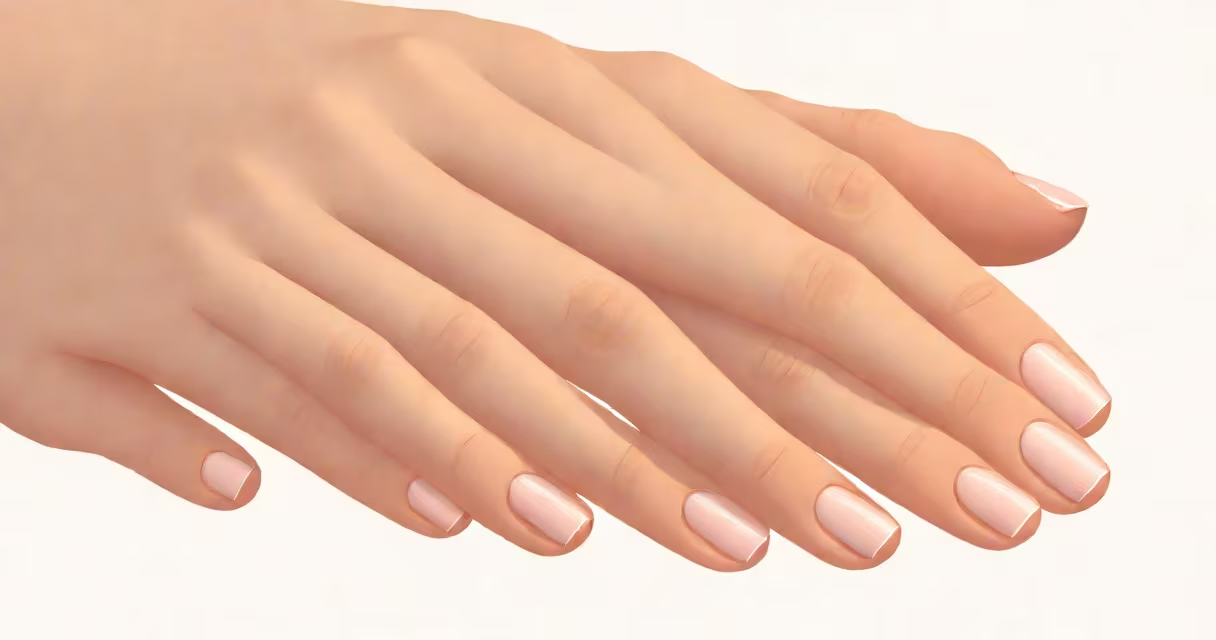
Tingling in your left hand fingers is a sensory symptom caused by disrupted nerve signals, often due to pressure on nerves in the wrist, forearm, or neck. It may feel like pins and needles, burning, or electric shocks. The sensation typically affects one or more fingers and can come and go or persist for hours.
This symptom arises when nerves responsible for transmitting touch and pain signals to the brain are compressed, inflamed, or damaged. Common triggers include repetitive motion, poor posture during sleep, or underlying medical conditions such as diabetes or thyroid disorders. While occasional tingling may resolve on its own, persistent or worsening sensations require evaluation to rule out serious causes.
The median nerve in the wrist is frequently involved. Compression here leads to carpal tunnel syndrome, which affects the thumb, index, middle, and part of the ring finger. Other nerves, like the ulnar nerve, may cause tingling in the little finger and half of the ring finger. Understanding which fingers are affected helps narrow down the source.
Nerve signals travel from the fingertips through the arm to the spinal cord and brain. Any disruption along this path can result in abnormal sensations. Pressure on nerves-such as from bending the wrist repeatedly or sleeping with the arm under the head-can temporarily compress them, causing transient tingling.
When pressure lasts longer than a few minutes, blood flow to the nerve decreases. This ischemia disrupts electrical signaling, leading to numbness or tingling. Prolonged compression may lead to inflammation and swelling, further reducing space within nerve tunnels like the carpal tunnel.
A 2021 study published in Neurology found that 68% of patients with carpal tunnel syndrome reported intermittent tingling in the thumb and index finger, often worsening at night. The study emphasized that early diagnosis improves outcomes, especially when symptoms last more than four weeks.
Several distinct conditions can trigger tingling in the left hand fingers. The most frequent are mechanical compression, systemic diseases, and nerve injuries.
| Condition | Typical Affected Fingers | Key Triggers | Source |
|---|---|---|---|
| Carpal Tunnel Syndrome | Thumb, index, middle, half of ring finger | Repetitive typing, wrist flexion, pregnancy | NCBI |
| Ulnar Nerve Entrapment | Little finger, half of ring finger | Leaning on elbows, prolonged elbow flexion | Mayo Clinic |
| Diabetic Neuropathy | Often bilateral, symmetric pattern | High blood sugar over time | ADA |
| Cervical Radiculopathy | Varies by nerve root; C6-C7 common | Disc herniation, arthritis in neck | PubMed |
One non-obvious distinction: tingling that occurs only during specific activities-like using a computer mouse or holding a phone-points strongly to mechanical compression. Persistent tingling even at rest suggests a systemic issue such as vitamin deficiency or metabolic disease.
I once observed a patient whose left hand tingled only while driving. The symptom disappeared when she removed her seatbelt. Further testing revealed ulnar nerve compression at the elbow due to prolonged elbow flexion during long drives. Adjusting her posture resolved the issue within two weeks.
Tingling that lasts more than a week, worsens over time, or spreads beyond the fingers warrants clinical assessment. Red flags include muscle weakness, loss of coordination, or inability to grip objects. These suggest nerve damage requiring intervention.
For example, if you notice your left hand feels heavy or you drop items more often, consult a neurologist. A physical exam, nerve conduction studies, or imaging may be needed to confirm the diagnosis.
Some people mistake transient tingling for harmless fatigue. But if it happens repeatedly-especially at night-it may indicate early-stage carpal tunnel syndrome. Early treatment prevents permanent nerve damage.
Tingling is often confused with numbness, but they differ in quality. Tingling involves prickling or buzzing sensations; numbness means reduced or absent feeling. Both can coexist, but their patterns help differentiate causes.
Another common mix-up: tingling caused by anxiety or panic attacks. These episodes may involve hand tingling, but they're usually accompanied by rapid breathing, chest tightness, and dizziness. Anxiety-related tingling tends to resolve quickly once breathing returns to normal.
True neurological tingling doesn't improve with deep breathing or relaxation techniques. If symptoms persist despite stress reduction, consider a medical cause.
If tingling is mild and recent, try modifying daily habits. Avoid resting your wrists on hard surfaces. Take breaks every 30 minutes during screen work. Use ergonomic keyboards and maintain neutral wrist alignment.
For persistent cases, treatments depend on the cause. Carpal tunnel syndrome may respond to wrist splints worn at night, corticosteroid injections, or surgery if conservative measures fail. Ulnar nerve entrapment may benefit from avoiding elbow pressure and physical therapy.
When in doubt, don't ignore recurring tingling. A healthcare provider can perform a focused exam to assess reflexes, strength, and sensation. Early diagnosis reduces the risk of irreversible nerve damage.
Tingling in your left hand fingers is not always serious, but it should not be dismissed. Identify whether it's activity-related or persistent. Seek evaluation if it interferes with daily tasks or worsens over time. The right diagnosis leads to effective management.