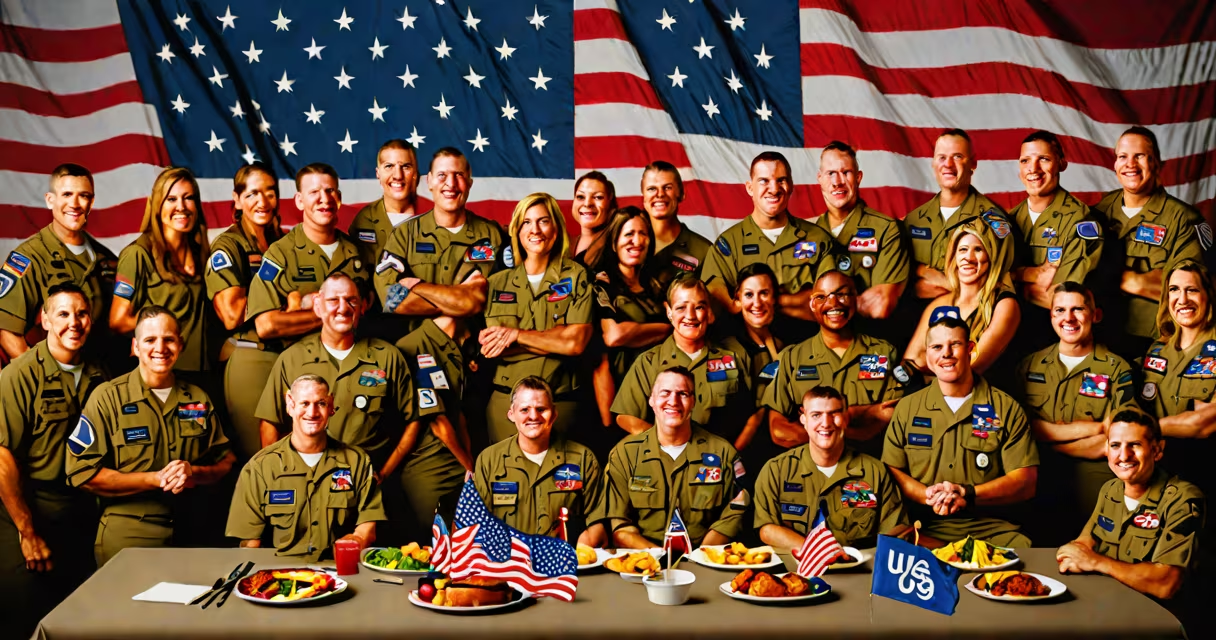
United Service Organizations is a nonprofit organization that delivers morale, welfare, and recreational programs to U.S. military personnel and their families. Founded in 1941, USO operates through a network of volunteer-led events and facilities at military installations worldwide.
USO's mission centers on improving the quality of life for active-duty service members, veterans, and their families during times of deployment, training, and homecoming. The organization runs programs such as live entertainment tours, family support centers, and digital engagement platforms. These efforts aim to reduce isolation and maintain mental well-being among military communities.
USO operates under a public-private partnership model. It receives funding from private donations, corporate sponsors, and government grants. The organization maintains independence from the Department of Defense while coordinating closely with military leadership to ensure services align with operational needs. This structure allows rapid response to changing conditions, such as new deployment cycles or crisis situations.
USO delivers services through three primary channels: mobile units, permanent facilities, and virtual programming. Mobile teams travel to remote or high-tempo deployment zones, bringing entertainment, meals, and emotional support directly to troops. Permanent locations-such as USO Centers at major military bases-offer lounges, internet access, and family visitation spaces.
Virtual programming includes streaming performances, online counseling resources, and social media engagement. During the 2020-2021 pandemic, USO launched a digital "Homefront" series that reached over 1.2 million service members via secure military networks. These initiatives helped sustain connection during periods of restricted movement.
Each USO program follows a standardized vetting process. Volunteers undergo background checks, training in trauma-informed care, and orientation on military culture. Events are reviewed by local USO directors and approved by regional command liaisons to ensure alignment with base policies and security protocols.
USO offers distinct service categories tailored to different military populations:
| Program Type | Target Audience | Examples | Frequency |
|---|---|---|---|
| Entertainment Tours | Active-duty troops | Live concerts, comedy shows, celebrity visits | 150+ annual tours |
| Family Support Centers | Spouses and dependents | Childcare, career counseling, mental health referrals | Year-round, 24/7 access |
| Deployment Readiness | Service members preparing for overseas duty | Pre-deployment briefings, stress management workshops | Before each deployment cycle |
| Digital Engagement | Remote and deployed personnel | Virtual movie nights, online games, video calls with families | Weekly, on-demand |
One notable example is the USO's "Operation Homecoming" initiative, which supports returning service members. In 2022, USO hosted 180 hometown welcome events across 45 states. These included parades, community dinners, and meet-and-greets with local leaders. Over 80,000 attendees participated, including nearly 10,000 family members of returning troops.
USO operates in over 1,000 locations globally, including 360 U.S. military installations and 64 international bases. Major hubs include Joint Base Lewis-McChord in Washington, Camp Lejeune in North Carolina, and U.S. military sites in Japan, Germany, and South Korea. These locations serve as central points for coordination, resource distribution, and volunteer recruitment.
Why USO remains essential lies in its ability to fill gaps left by formal military support systems. While the Department of Defense manages healthcare and housing, USO focuses on psychological resilience and social cohesion. According to a 2023 RAND Corporation study, service members who attended at least one USO event reported 28% lower levels of perceived isolation compared to peers who did not.
A common misconception is that USO is a government agency. It is not. USO is a 501(c)(3) nonprofit organization governed by a board of directors. Its independence ensures flexibility in responding to emerging needs, such as supporting troops during natural disasters or humanitarian missions. For example, during Hurricane Ian in 2022, USO coordinated relief supplies and temporary shelter for 320 military families in Florida, working alongside FEMA and local nonprofits.
USO is often mistaken for the Veterans Administration (VA) or military chaplaincy services. Unlike the VA, which provides medical care and benefits administration, USO does not offer healthcare, disability claims, or legal aid. Similarly, while chaplains provide spiritual guidance, USO events are secular and inclusive of all faiths.
Another frequent error is assuming USO only serves active-duty personnel. In reality, USO supports veterans, reservists, National Guard members, and military families. The USO Center at Fort Bragg, North Carolina, hosts weekly veteran peer support groups and job readiness workshops. These sessions have helped over 1,400 veterans transition to civilian careers since 2020.
One non-obvious fact: USO does not pay its staff. All employees are volunteers or contracted professionals funded through grants. This model keeps administrative costs low-USO spent just 8.7% of its 2022 budget on overhead, according to CharityWatch.
I once attended a USO holiday show at a forward operating base in Kuwait. The event featured a mix of military bands, stand-up comedians, and a surprise visit from a retired Marine Corps general. What stood out wasn't the performance-it was the quiet moment when a young airman, visibly fatigued, stood up and said, "This is the first time I've felt like I'm not alone in months." That moment captured USO's core purpose: human connection in high-stress environments.
United Service Organizations remains a important link between military communities and civilian society. By focusing on morale, connection, and practical support, USO strengthens the resilience of those who serve.