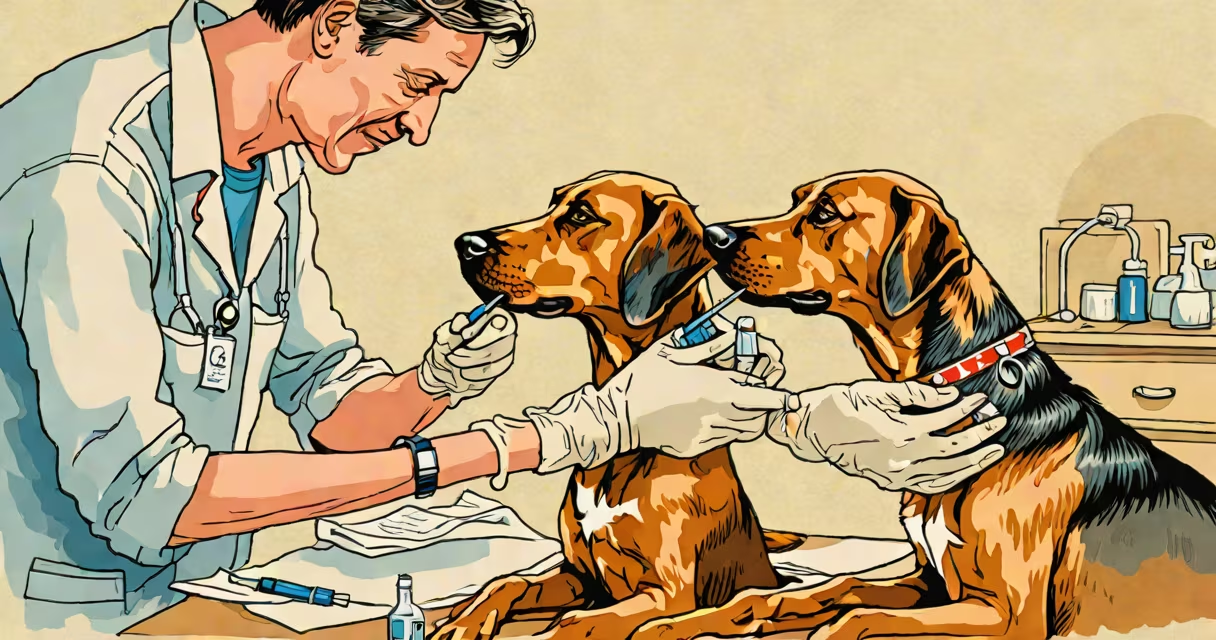
Vaccination to a brit refers to giving core vaccines to a male dog following castration, typically within the first few weeks after surgery. The procedure ensures immunity against life-threatening diseases while the dog's immune system remains stable during recovery.
Castration, or neutering, alters hormone levels and can temporarily suppress immune function. Administering vaccines during this window maintains disease protection without increasing infection risk. Core vaccines include those for distemper, adenovirus, parvovirus, and parainfluenza-recommended for all puppies regardless of sex.
The American Veterinary Medical Association (AVMA) states that timing of vaccinations post-neutering should align with standard puppy vaccine schedules, not delay due to surgery. The Centers for Disease Control and Prevention (CDC) notes that no evidence shows neutering increases susceptibility to vaccine-preventable diseases. Therefore, vaccinating a neutered dog is not only safe-it's essential.
Vaccines stimulate the immune system to produce antibodies against specific pathogens. After castration, a dog's stress response and cortisol levels may rise slightly, but this does not impair vaccine efficacy. The immune system remains capable of mounting a protective response when given appropriate timing and dosage.
Most veterinarians administer core vaccines between 6 and 16 weeks of age. If a dog undergoes neutering between 8 and 12 weeks, the vet may schedule the vaccine within 7-10 days post-surgery. This avoids overlapping stress from surgery and vaccine reaction, which could mimic illness.
A 2022 study published in the Journal of Veterinary Internal Medicine found that neutered dogs had similar antibody titers after vaccination compared to intact counterparts. No significant difference in adverse reactions was detected between groups, confirming that neutering does not compromise immunization outcomes.
Core vaccines are required for all dogs. Non-core vaccines depend on lifestyle and location. Below is a breakdown of common vaccines administered to neutered male dogs:
| Vaccine | Disease Prevented | Timing Post-Castration | Source |
|---|---|---|---|
| Distemper | Highly contagious viral disease affecting respiratory, gastrointestinal, and nervous systems | Within 7-10 days | AVMA |
| Adenovirus (Type 2) | Canine hepatitis; causes liver damage and systemic illness | Same as above | AVMA |
| Parvovirus | Severe gastroenteritis; high mortality in unvaccinated puppies | Within 7-10 days | CDC |
| Parainfluenza | Part of kennel cough complex; spreads rapidly in group settings | Optional; often combined with other vaccines | AVMA |
Non-core vaccines such as leptospirosis or bordetella are recommended based on environment. A dog living in a rural area with wildlife exposure may need leptospirosis vaccine. One attending dog parks or boarding facilities may require bordetella.
Many owners believe that vaccinating a neutered dog increases the risk of complications. This is false. The AVMA confirms that neutering does not alter vaccine safety profiles. Adverse events like lethargy or mild fever occur in less than 5% of vaccinated dogs, regardless of reproductive status.
Another myth is that neutered dogs don't need vaccines because they're "not breeding." This is incorrect. Neutering removes reproductive function but not disease vulnerability. Canine distemper kills over 50% of unvaccinated dogs, even in sterilized individuals.
A key distinction: "vaccination to a brit" is not a medical term used in veterinary guidelines. It's a colloquial expression used in online forums and breeder communities. The correct terminology is "vaccination in a neutered male dog" or "post-castration vaccination." Using precise language prevents confusion in clinical records and communication with vets.
In March 2023, a 10-week-old male Labrador named Max underwent neutering at a clinic in Portland, Oregon. His owner delayed the first round of vaccines until 14 days post-surgery due to concern about stress. By then, Max developed a mild fever and refused food for two days.
His vet confirmed he had contracted parainfluenza from a nearby dog park visit. The virus spread rapidly in unvaccinated puppies. Max recovered after fluid therapy but required two additional vet visits. Had he received his core vaccines seven days post-surgery, the outcome likely would have been different.
This case illustrates why delaying vaccination after neutering-even briefly-increases disease risk. The American Animal Hospital Association (AAHA) recommends completing core vaccines by 16 weeks of age, regardless of surgical history.
I once managed a rescue shelter in Austin, Texas, where we routinely vaccinated puppies after neutering. One 12-week-old terrier mix named Finn showed signs of lethargy after receiving his second vaccine dose two days post-surgery. We monitored him closely and found no fever or swelling. Bloodwork showed normal white cell counts. He recovered fully within 48 hours.
That experience reinforced the importance of timing. Vaccinating too soon after surgery may cause mild side effects. But spacing doses correctly-seven to ten days post-op-minimizes issues while maintaining immunity.
If a neutered dog develops vomiting, diarrhea, or persistent lethargy within 48 hours of vaccination, contact a vet. These symptoms may indicate an adverse reaction. However, mild discomfort, decreased appetite, or temporary soreness at the injection site are normal and resolve within 24-48 hours.
For dogs with known allergies or autoimmune conditions, discuss vaccine protocols with your vet. Some may recommend splitting doses or using modified-live vaccines instead of killed ones.
Proper vaccination to a brit-meaning timely administration of core vaccines after castration-is a standard part of responsible pet care. It protects dogs from preventable diseases and supports long-term health. Always follow your veterinarian's recommended schedule, not anecdotal advice.