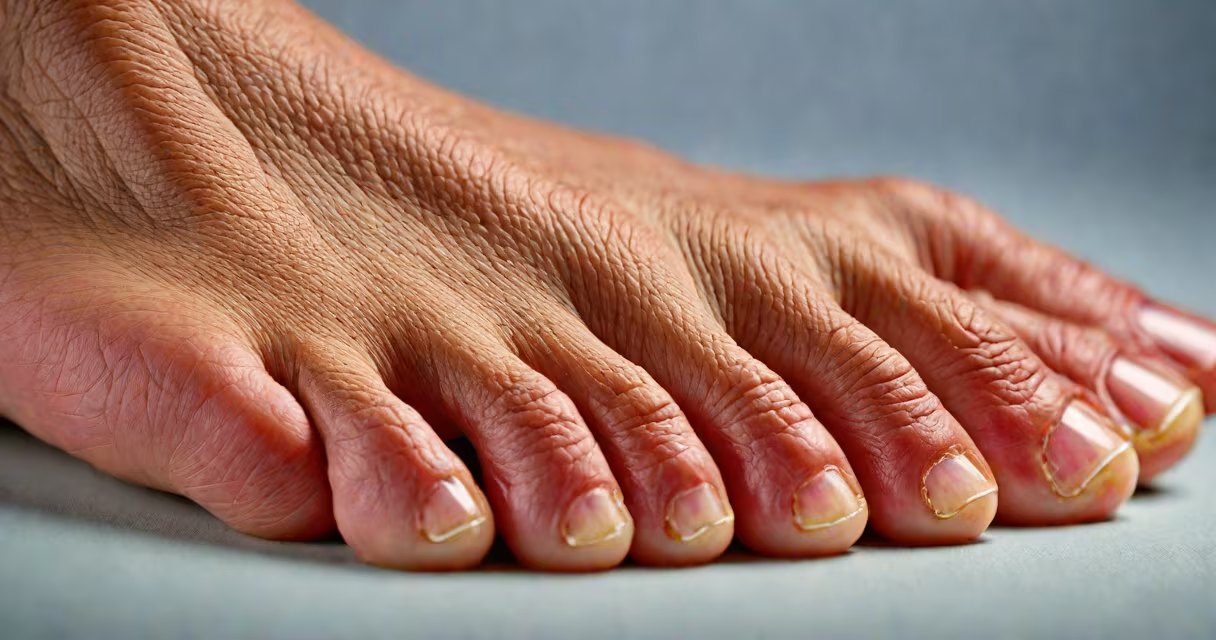
Gout is a form of inflammatory arthritis caused by excess uric acid in the blood, which forms sharp, needle-like crystals in joints and tissues. These crystals trigger intense pain, swelling, and redness, most commonly in the big toe, but also in ankles, knees, wrists, and fingers.
Uric acid is a waste product formed when the body breaks down purines-substances found in certain foods and naturally occurring in cells. Normally, uric acid dissolves in the blood and passes out through the kidneys. When levels rise too high, a condition called hyperuricemia develops, leading to crystal deposition in joints and soft tissues.
According to the American College of Rheumatology, about 8.3 million adults in the U.S. have gout, with men being affected more often than women. The condition rarely appears before age 30 and becomes more common after age 40. Left untreated, gout can cause permanent joint damage and lead to kidney stones or chronic kidney disease.
When monosodium urate crystals deposit in a joint, they activate the immune system. White blood cells rush to the area to attack the crystals, releasing inflammatory chemicals that cause acute pain, heat, and swelling. This process typically peaks within 24 hours and can last 3 to 10 days without treatment.
The most common site of gout onset is the metatarsophalangeal joint-the base of the big toe-known as podagra. A 2021 study published in Rheumatology found that 60% of gout patients first experience symptoms in the big toe. The pain is often described as "like a hot poker" or "burning," and even light pressure from a bedsheet can be unbearable.
Repeated flares lead to tophi-visible lumps under the skin made of accumulated urate crystals. Tophi commonly form around the ears, fingers, elbows, and heels. They can erode bone and cartilage, causing joint deformity. A 2019 review in Arthritis & Rheumatology reported that 30% of patients with long-standing gout develop tophi, and nearly half of those cases involve joint destruction visible on X-ray.
Gout doesn't just affect joints-it influences multiple organ systems. High uric acid levels are linked to metabolic syndrome, hypertension, insulin resistance, and cardiovascular disease. The National Institutes of Health notes that people with gout have a 20% higher risk of heart attack and stroke compared to those without the condition.
Uric acid crystals can also deposit in the kidneys, forming kidney stones. About 1 in 10 people with gout develops kidney stones, according to the Journal of the American Society of Nephrology. These stones may cause flank pain, hematuria (blood in urine), or urinary obstruction. Chronic kidney disease is more prevalent among gout patients, especially those with uncontrolled hyperuricemia.
One overlooked consequence is gout's impact on quality of life. A 2020 survey by the Arthritis Foundation showed that 62% of gout patients reported missing work during flares, and 45% said their daily activities were limited for weeks after an episode. Pain and fatigue reduce mobility and mental well-being, contributing to anxiety and depression.
Gout is often mistaken for other types of arthritis, such as rheumatoid arthritis or pseudogout. Pseudogout involves calcium pyrophosphate crystals, not uric acid, and typically affects larger joints like the knee or shoulder. Unlike gout, pseudogout flares are less likely to start suddenly and often recur in the same joint.
Another myth is that gout only affects overweight or heavy drinkers. While obesity and alcohol intake increase risk, gout can occur in lean individuals and those who avoid alcohol. Genetic factors play a major role-up to 40% of gout cases are linked to inherited enzyme deficiencies that impair uric acid excretion.
A key distinction: not everyone with high uric acid has gout. Hyperuricemia affects about 20% of adults, but only 10% progress to symptomatic gout. The presence of crystals, not just elevated levels, determines whether symptoms appear.
In 2018, a 47-year-old man with no prior history of joint issues woke up with excruciating pain in his left big toe. He had eaten a steak dinner and a few beers the night before. Within four hours, the toe was red, swollen, and too painful to touch. He visited an urgent care clinic and was diagnosed with gout based on clinical signs and a joint fluid test showing urate crystals.
His serum uric acid level was 8.9 mg/dL (normal range: 3.5-7.2 mg/dL). After receiving colchicine and a corticosteroid injection, pain subsided in 48 hours. He later learned that his family history included gout in his father and uncle. He began taking allopurinol to lower uric acid and avoided purine-rich foods like organ meats and shellfish.
This case illustrates how diet, genetics, and acute triggers converge. It also shows that early diagnosis and management prevent recurrent flares and long-term damage.
| Type of Gout | Onset | Common Sites | Key Triggers |
|---|---|---|---|
| Acute gout | Sudden (hours) | Big toe, ankle, knee | Alcohol, red meat, dehydration |
| Chronic tophaceous gout | Years of untreated flares | Ears, fingers, elbows, heels | Persistent hyperuricemia |
| Asymptomatic hyperuricemia | No symptoms | None | High uric acid without crystal deposition |
One non-obvious fact: gout flares often occur at night. Research from the Annals of the Rheumatic Diseases found that 60% of gout attacks begin between midnight and 6 a.m., possibly due to lower body temperature and reduced blood flow during sleep, which promotes crystal formation.
Managing gout requires more than treating flares. Long-term control involves lowering uric acid below 6 mg/dL to dissolve existing crystals and prevent new ones. Medications like allopurinol, febuxostat, and probenecid are prescribed based on patient history and kidney function.
Recognizing what gout does to the body is essential for timely diagnosis and effective management. Early treatment reduces flare frequency, protects joints, and lowers the risk of complications like kidney stones and heart disease. Addressing both symptoms and root causes improves long-term health.