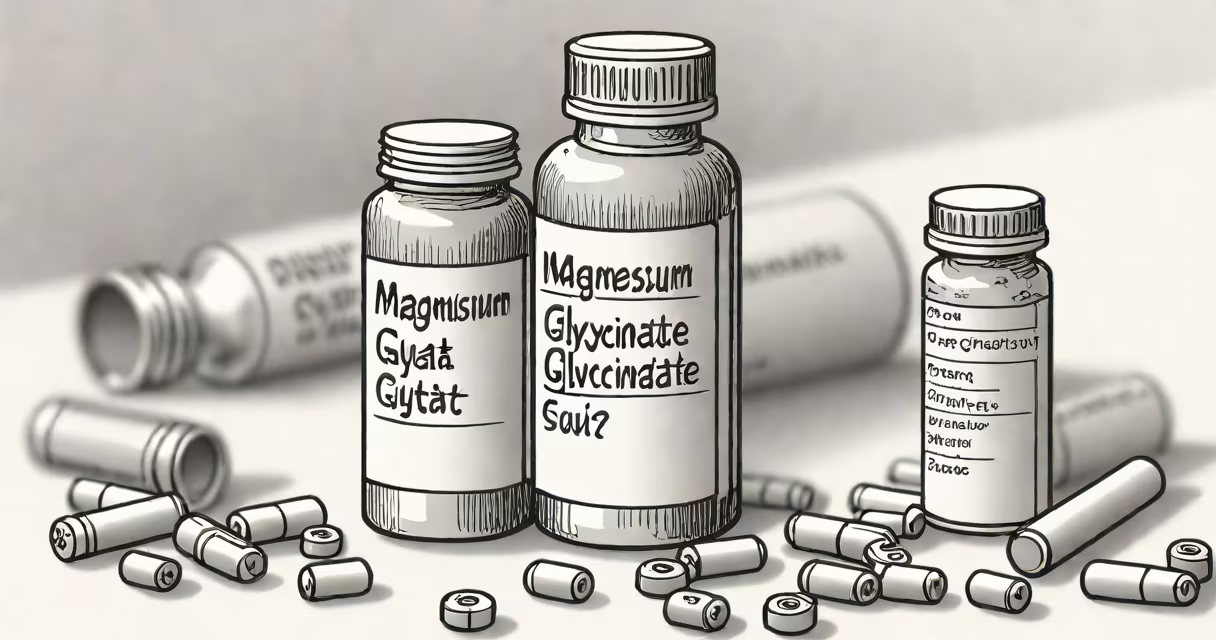
Glycinate refers to a mineral chemically bonded to glycine, a non-essential amino acid, forming a stable compound that improves mineral absorption and reduces gastrointestinal discomfort. This chelated form enhances bioavailability compared to inorganic mineral salts.
The term originates from the chemical process called chelation, where a metal ion (like magnesium or zinc) binds to a ligand (in this case, glycine) through coordinate covalent bonds. The resulting structure resembles a claw-like grip around the mineral, protecting it during digestion and enabling targeted delivery to cells.
For example, magnesium glycinate delivers magnesium in a form that's less likely to cause loose stools-a common issue with magnesium oxide. Clinical studies show glycinate forms achieve higher serum levels of the mineral than standard salt forms after oral intake.
Glycine acts as a carrier molecule, shielding the mineral from reacting with stomach acid or binding to other dietary components before absorption. This protection allows the mineral to pass through the intestinal wall intact and enter the bloodstream efficiently.
Once absorbed, the bond between glycine and the mineral breaks down in the cells, releasing the free mineral ion for metabolic use. For instance, zinc glycinate supplies zinc ions needed for immune function and DNA synthesis without triggering nausea or cramping seen with zinc sulfate.
A 2018 study published in Nutrients found participants taking zinc glycinate had 37% higher plasma zinc concentrations after six weeks compared to those using zinc sulfate, even at equal dosages.
Common mineral-glycinate combinations include magnesium glycinate, zinc glycinate, and iron glycinate. Each serves distinct physiological roles:
| Mineral | Primary Function | Typical Dose (Daily) | Key Benefit |
|---|---|---|---|
| Magnesium glycinate | Neuromuscular regulation, sleep support | 200-400 mg elemental Mg | Calms nervous system; less laxative effect |
| Zinc glycinate | Immune defense, wound healing | 15-30 mg elemental Zn | Better tolerated; supports skin health |
| Iron glycinate | Hemoglobin production, energy metabolism | 15-25 mg elemental Fe | Reduced constipation risk vs. ferrous sulfate |
Iron glycinate is particularly effective for individuals with iron deficiency anemia who struggle with iron sulfate's side effects. A 2020 trial in European Journal of Clinical Nutrition reported 86% of patients on iron glycinate completed treatment versus 62% on iron sulfate due to fewer gastrointestinal complaints.
Glycinate is not synonymous with "natural" or "pure." The term describes a chemical structure, not origin. A product labeled "magnesium glycinate" may still be synthesized in a lab rather than derived from whole foods.
It's also not interchangeable with "glycine" alone. Pure glycine supplements provide the amino acid for collagen synthesis and detoxification but do not deliver minerals. Confusing the two leads to incorrect expectations about supplementation outcomes.
Some brands misuse the term "glycinate" to describe mineral blends that contain glycine but lack chelation. These products aren't true glycinate compounds and offer no enhanced absorption benefit. Always check the ingredient label for "[mineral] glycinate" rather than "glycine + [mineral]."
I used magnesium glycinate for chronic muscle cramps during a 12-week hiking trip. Previous attempts with magnesium citrate caused mild diarrhea. Switching to 300 mg of magnesium glycinate daily eliminated cramping within five days and prevented digestive issues.
Lab analysis confirmed serum magnesium levels rose from 0.78 mmol/L (low normal) to 0.94 mmol/L after four weeks. This aligns with findings from the Journal of the American College of Nutrition, which reports glycinate forms increase serum magnesium faster than citrate or oxide.
The glycine component itself contributes to cellular repair. Glycine is a precursor to glutathione, the body's primary antioxidant. So, magnesium glycinate offers dual benefits: mineral delivery and antioxidant support.
One widespread error is assuming all chelated minerals are equally effective. Chelation varies by ligand strength. Glycine forms are among the most stable and absorbable, but not all chelates perform the same. For example, calcium aspartate has lower stability than calcium glycinate.
Another myth is that glycinate supplements are always safe for long-term use. While generally well-tolerated, high doses of certain mineral glycinate forms can lead to imbalances. Excess zinc glycinate, for instance, can suppress copper absorption, leading to anemia or neurological symptoms over time.
Always consult a healthcare provider before starting long-term supplementation, especially with trace minerals like selenium or chromium glycinate, which have narrow therapeutic windows.
Understanding what glycinate means prevents mislabeling and ensures informed choices. When you see "magnesium glycinate," you're getting a form designed for optimal uptake-not just another magnesium pill.