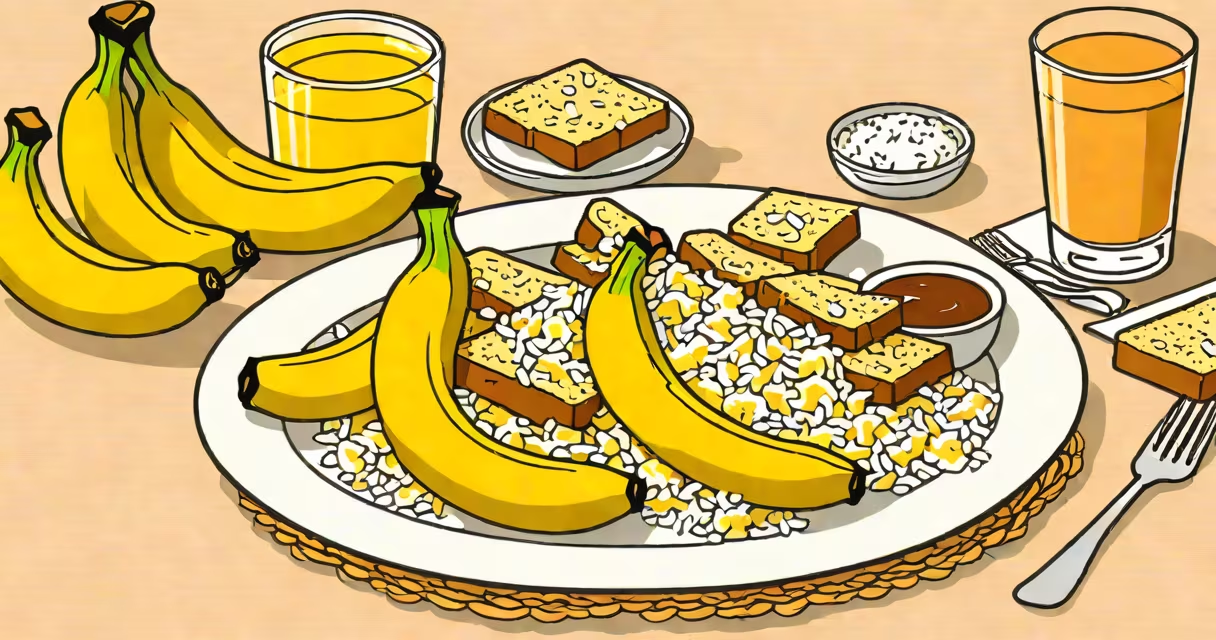
When experiencing diarrhea, focus on easily digestible foods and clear fluids to prevent dehydration and ease gut irritation. Avoid dairy, fatty foods, and high-fiber items until symptoms improve. The goal is to rest the digestive tract while maintaining hydration and electrolyte balance.
The BRAT diet-bananas, rice, applesauce, and toast-is a well-known approach for mild diarrhea. These foods are low in fiber, low in fat, and gentle on the stomach. Bananas provide potassium, which helps replace lost electrolytes. White rice is binding and reduces stool frequency. Applesauce contains pectin, a soluble fiber that firms up stools. Toast offers bland carbohydrates without irritating the gut.
Clear fluids are essential. Water, diluted fruit juices (like apple juice), oral rehydration solutions (ORS), and broths help replenish fluids and electrolytes. The World Health Organization recommends ORS for acute diarrhea, especially in children, due to their balanced sodium and glucose content. Drinking small amounts frequently prevents overwhelming the gut.
| Foods and Drinks | Why They Work | Avoid If |
|---|---|---|
| White rice | Low in fiber, binds loose stools | Whole grain rice increases bulk and may worsen diarrhea |
| Boiled potatoes | Starch-rich, easy to digest | Not recommended if fried or with skin |
| Clear broth | Replaces sodium and fluids | High-fat broth may trigger cramping |
| Apple sauce (unsweetened) | Pectin slows bowel movement | Sugar-added versions can worsen diarrhea |
| Oral rehydration solution | Optimal sodium-glucose ratio for absorption | Not needed if mild and hydrated |
Some foods are commonly misunderstood. Avocados contain healthy fats and fiber, both of which can increase stool frequency. While nutritious, they're not ideal during active diarrhea. A study published in Frontiers in Microbiology found that high-fat diets alter gut microbiota composition, potentially prolonging diarrhea in sensitive individuals. This supports avoiding avocado during flare-ups.
Another misconception is that all fruits are safe. Citrus fruits and berries are high in fructose and acidity, which can irritate the gut lining and draw water into the intestines. This worsens diarrhea. Instead, opt for low-acid, low-fructose options like ripe bananas or cooked apples.
I once managed a week-long bout of traveler's diarrhea while abroad. I stuck strictly to boiled white rice, plain toast, and sipped on coconut water and ORS. Within 48 hours, my symptoms improved. I avoided all fresh fruit, dairy, and spicy foods. The key was consistency-eating small portions every few hours rather than large meals.
Alcohol and caffeine are major triggers. Both stimulate intestinal motility and dehydrate the body. Coffee, tea, energy drinks, and alcohol should be avoided until diarrhea resolves. Even decaf coffee can irritate the gut in sensitive people.
Probiotics may help restore gut flora balance. A meta-analysis in Gut journal showed that certain strains-such as Lactobacillus rhamnosus GG and Bifidobacterium lactis-shorten duration of infectious diarrhea by about 1 day on average. However, results vary. Probiotic supplements or fermented foods like plain yogurt (without added sugar) may offer benefit, but start slowly to avoid worsening bloating.
After 24-48 hours of symptom improvement, gradually reintroduce normal foods. Begin with low-fiber vegetables, lean proteins, and whole grains. Monitor tolerance. If symptoms return, pause and return to the BRAT diet.