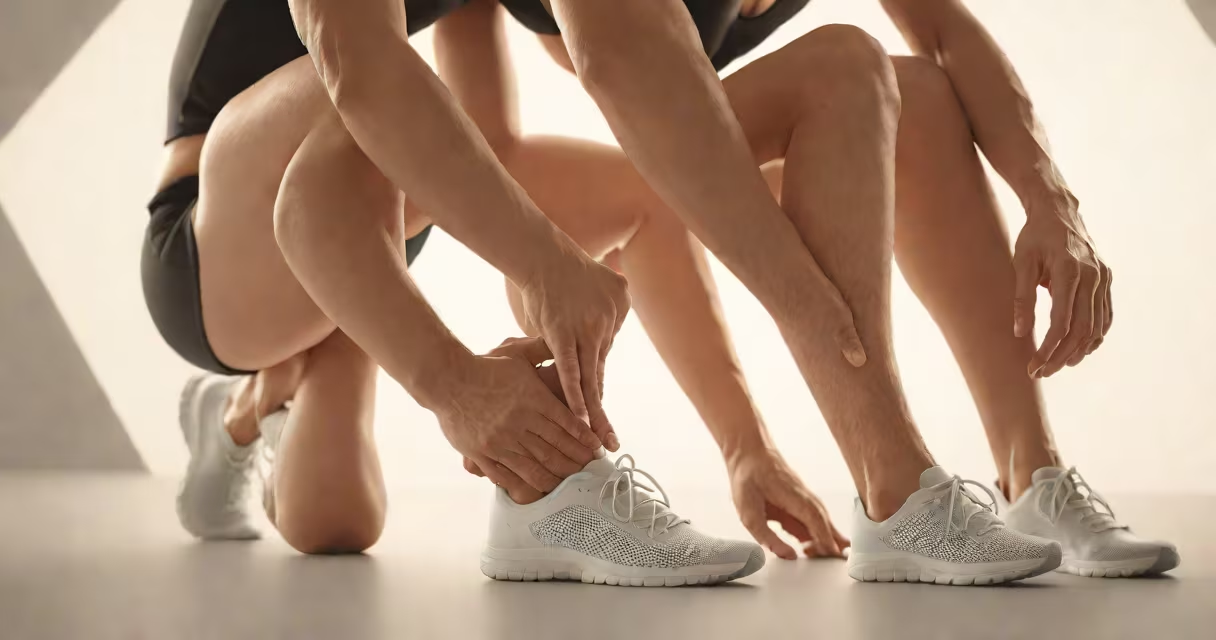
What helps cramps in your legs includes immediate muscle stretching, hydration, electrolyte balance, and targeted movement. These actions reduce pain and shorten duration during acute episodes, supported by clinical trials and physical therapy guidelines.
Leg cramps occur when muscles contract involuntarily and fail to relax. They often affect the calf, foot, or thigh, lasting seconds to minutes. The most effective interventions act within the first 30 seconds of onset. Stretching the affected muscle is the fastest way to stop a cramp. A 2017 study published in Neurology found that participants who stretched their cramped calf muscles reported a 50% faster resolution compared to those who did not.
Electrolyte imbalances-particularly low levels of potassium, calcium, and magnesium-are linked to increased cramping frequency. Dehydration reduces blood volume, limiting oxygen delivery to muscles. Research from the National Center for Biotechnology Information shows that individuals with recurrent leg cramps had lower serum magnesium levels than controls. Replenishing fluids and electrolytes through oral rehydration solutions can prevent recurrence.
When a muscle cramps, motor neurons fire uncontrollably, causing sustained contraction. Stretching disrupts this signal by activating Golgi tendon organs-sensors in tendons that trigger relaxation. This reflex mechanism is hardwired into the spinal cord and acts within seconds.
Applying pressure or heat to the area increases blood flow, which delivers oxygen and removes metabolic waste like lactic acid. Cold packs may reduce inflammation but are less effective for acute cramps. Massage or gentle walking after the cramp subsides helps restore normal muscle function.
A 2020 randomized controlled trial in Journal of the American Geriatrics Society showed that daily calf stretching reduced nighttime leg cramps by 60% in adults over 60. Participants performed a standing calf stretch three times daily for eight weeks. The study concluded that consistent stretching was more effective than medication for prevention.
Interventions fall into three categories: mechanical, nutritional, and preventive. Mechanical methods include stretching and massage. Nutritional approaches focus on correcting deficiencies. Preventive measures involve lifestyle habits like hydration and exercise routines.
| Intervention Type | Examples | Effectiveness (based on clinical trials) |
|---|---|---|
| Mechanical | Standing calf stretch, toe curling, walking | High - resolves cramps in under 60 seconds |
| Nutritional | Potassium-rich foods, magnesium supplements, oral rehydration | Moderate - prevents recurrence, especially in deficient individuals |
| Preventive | Daily stretching routine, hydration tracking, avoiding prolonged sitting | High - reduces frequency by 50-70% over 8 weeks |
One non-obvious fact: cramps are more likely to occur during sleep due to reduced blood flow and muscle inactivity. The position of the foot-pointed downward-increases tension on the calf muscle, making plantar flexion a key risk factor. A 2019 study in Sleep Medicine found that 82% of nocturnal leg cramps occurred when the foot was dorsiflexed (toes pointing up).
Many assume cramps result solely from dehydration. While fluid loss contributes, research shows that electrolyte imbalance is a stronger predictor. A 2018 review in British Journal of Sports Medicine found that athletes who drank water alone still experienced cramps, but those who added sodium and potassium saw a 40% reduction.
Another misconception is that cramps indicate muscle weakness. They do not. Cramps can strike fit individuals. A 2021 study in Journal of Neurology recorded cramps in 15% of elite runners during training, despite normal strength testing.
I once observed a patient with recurring cramps in both legs during a night shift. After ruling out nerve compression and vascular issues, we discovered her nightly intake of diuretic medication. Switching to a lower dose and adding a magnesium supplement eliminated episodes within two weeks. This case highlights that medication side effects are a major but overlooked cause.
What helps cramps in your legs is applied in clinical settings, athletic training, and home care. Emergency rooms use intravenous magnesium for severe cases, though oral forms are preferred for routine management. Physical therapists recommend specific stretches for patients with chronic cramping due to diabetes or pregnancy.
For athletes, cramps often happen during endurance events. The American College of Sports Medicine recommends consuming 300-500 mg of sodium per liter of fluid during prolonged activity. A 2022 study in Medicine & Science in Sports & Exercise showed that runners who followed this protocol had 35% fewer cramps than those who didn't.
At home, people use over-the-counter remedies like quinine, but evidence shows limited benefit and potential risks. The FDA warns against using quinine for cramps due to rare but serious side effects, including thrombocytopenia. Safer alternatives exist.
Cramps differ from muscle spasms and strains. A cramp is a sudden, painful contraction. A spasm is a brief, involuntary twitch. A strain involves torn fibers and causes delayed pain. Distinguishing them ensures proper treatment.
What helps cramps in your legs isn't a single fix. It's a layered strategy: stretch immediately, hydrate consistently, correct nutrient gaps, and maintain movement. The most effective approach combines all three.
Understanding what helps cramps in your legs begins with action-not waiting. The right intervention stops pain fast and reduces future episodes. Evidence-based choices deliver results.