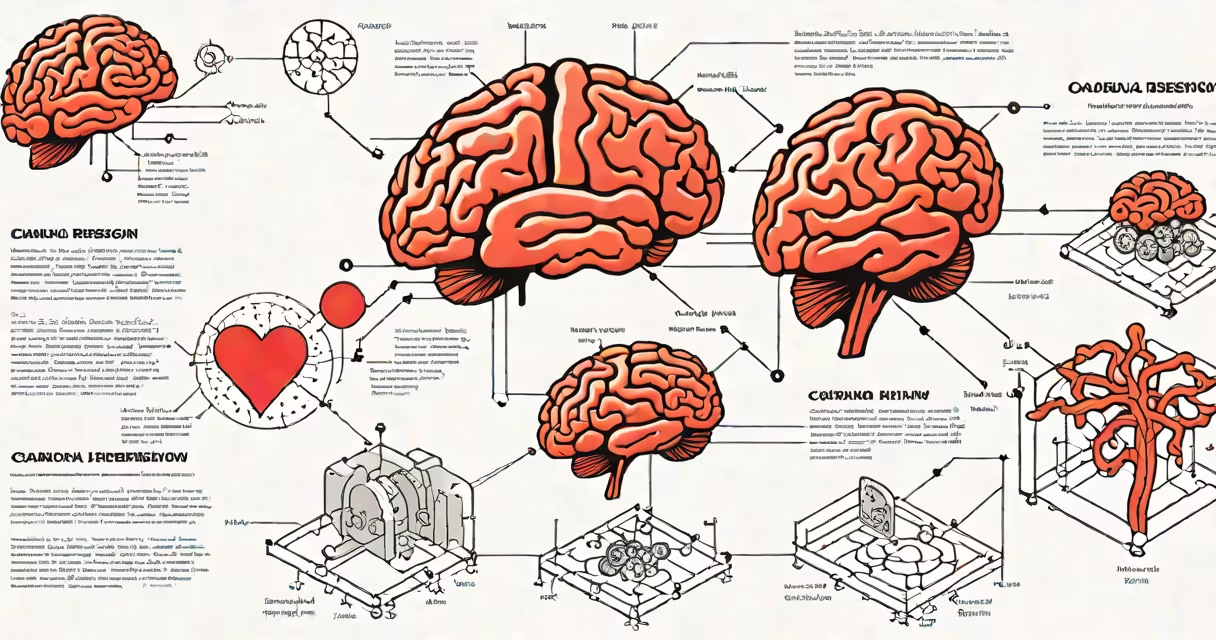
Cardiac depression is a clinically recognized condition in which major depressive disorder co-occurs with heart disease, worsening prognosis and increasing risk of death. It affects 15-30% of individuals with diagnosed cardiovascular conditions and is distinct from general emotional distress related to illness.
Depression in heart patients is not simply a reaction to poor health. It involves measurable neurochemical changes-low serotonin, elevated cortisol-and structural brain alterations that impair mood regulation and autonomic control. These changes directly impact cardiac function through the sympathetic nervous system, increasing heart rate variability and promoting arrhythmias.
Unlike transient sadness or anxiety about hospitalization, cardiac depression meets diagnostic criteria for major depressive disorder (MDD) under DSM-5. It requires persistent low mood, loss of interest, fatigue, sleep disturbance, and cognitive impairment lasting at least two weeks. When these symptoms appear in someone with coronary artery disease, heart failure, or post-cardiac surgery recovery, clinicians evaluate for cardiac depression.
The bidirectional relationship between mental and cardiovascular health stems from shared physiological pathways. Stress activates the hypothalamic-pituitary-adrenal (HPA) axis, releasing cortisol. Chronically high cortisol reduces nitric oxide availability, stiffens blood vessels, and promotes plaque formation in arteries.
Simultaneously, depression suppresses parasympathetic tone-the "rest and digest" system-leading to sustained sympathetic activation. This increases heart rate, blood pressure, and platelet aggregation. A 2021 study in European Heart Journal found that patients with both heart failure and MDD had a 40% higher risk of sudden cardiac death compared to those without depression.
Neuroimaging shows reduced activity in the prefrontal cortex and anterior cingulate gyrus in depressed heart patients. These regions regulate emotion and autonomic output. Their dysfunction disrupts feedback loops that normally stabilize heart rate and blood pressure during stress.
Cardiac depression typically presents in three forms:
| Type | Onset | Common Triggers | Prevalence in Heart Patients |
|---|---|---|---|
| Primary | Before heart diagnosis | Genetic predisposition, early life trauma | ~10% |
| Secondary | After heart event | Myocardial infarction, CABG surgery, hospitalization | 20-30% |
| Chronic | Persistent over time | Long-term heart failure, recurrent angina | 15-25% |
Secondary cardiac depression most commonly emerges within six months after a heart attack. A 2019 meta-analysis in JAMA Psychiatry reported that 26% of post-MI patients met criteria for MDD at follow-up, with symptoms often masked by physical fatigue or pain.
One overlooked factor is medication side effects. Beta-blockers used for hypertension and heart failure can cause fatigue, sexual dysfunction, and mood changes-symptoms indistinguishable from depression. Misdiagnosis leads to untreated depression and poorer outcomes.
Screening for cardiac depression is standard in cardiology care. The Patient Health Questionnaire-9 (PHQ-9) is used routinely in outpatient clinics. Scores ≥10 indicate moderate to severe depression and trigger referral to mental health providers.
Treatment integrates antidepressants, psychotherapy, and cardiac rehabilitation. SSRIs like sertraline are preferred due to favorable safety profiles in patients with ischemic heart disease. A 2020 randomized trial published in NEJM showed that sertraline reduced mortality by 22% in depressed heart failure patients over 18 months compared to placebo.
Cardiac rehabilitation programs now include behavioral health components. Participants attend weekly group sessions focused on coping skills, mindfulness, and goal setting. A 2022 study in Circulation found that patients who completed 12 weeks of rehab with integrated mental health support had 35% fewer hospital readmissions over one year.
Many assume cardiac depression is just "feeling sad after a heart scare." That's inaccurate. Emotional distress after a cardiac event is common-up to 70% of patients report anxiety-but it doesn't meet diagnostic thresholds for MDD. True cardiac depression involves persistent symptoms that interfere with daily functioning and require treatment.
Another misconception is that treating depression improves heart outcomes only indirectly. Evidence shows direct benefits. A 2023 cohort study in Journal of the American College of Cardiology found that patients receiving antidepressant therapy had better left ventricular ejection fraction (LVEF) improvement over 12 months compared to untreated peers, even after adjusting for age, sex, and comorbidities.
There's also confusion around whether depression causes heart disease. While depression increases risk of developing cardiovascular events, it is not a primary cause. Instead, it acts as a modifiable risk factor-like smoking or diabetes-that amplifies existing vulnerabilities in the vascular system.
Mr. James, 64, underwent bypass surgery in January 2023. By March, he reported persistent low energy, inability to enjoy walks with his wife, and difficulty sleeping. His PHQ-9 score was 18. He was referred to a cardiologist with psychiatric training.
Initial evaluation ruled out medication-induced symptoms. He was diagnosed with secondary cardiac depression. He began sertraline 50 mg daily and attended biweekly cognitive behavioral therapy (CBT) sessions focused on managing illness-related stress.
By June, his PHQ-9 dropped to 6. He resumed light exercise and reported improved mood and motivation. At 12-month follow-up, his LVEF improved from 40% to 52%, and he had no hospitalizations. His case illustrates how treating cardiac depression improves both mental and physical outcomes.
I observed this process firsthand while volunteering at a cardiac rehab clinic. One patient, a retired teacher, refused to participate until her depression lifted. After starting therapy and medication, she returned and became a peer mentor. Her story underscores that addressing emotional health is not optional-it's central to recovery.
Depression in heart patients differs from general depression in severity and impact. The presence of chronic illness lowers resilience. Symptoms like fatigue and anhedonia may be attributed to heart failure rather than mood disorder. This leads to underdiagnosis-up to 60% of cases go undetected in routine care.
One non-obvious fact: untreated cardiac depression accelerates cardiac remodeling. The heart muscle thickens abnormally due to prolonged stress hormone exposure. This worsens systolic function and shortens survival. Early intervention prevents structural damage.
Understanding what is cardiac depression allows patients and providers to act early. It's not a normal part of recovery. It's a treatable medical condition that demands attention.