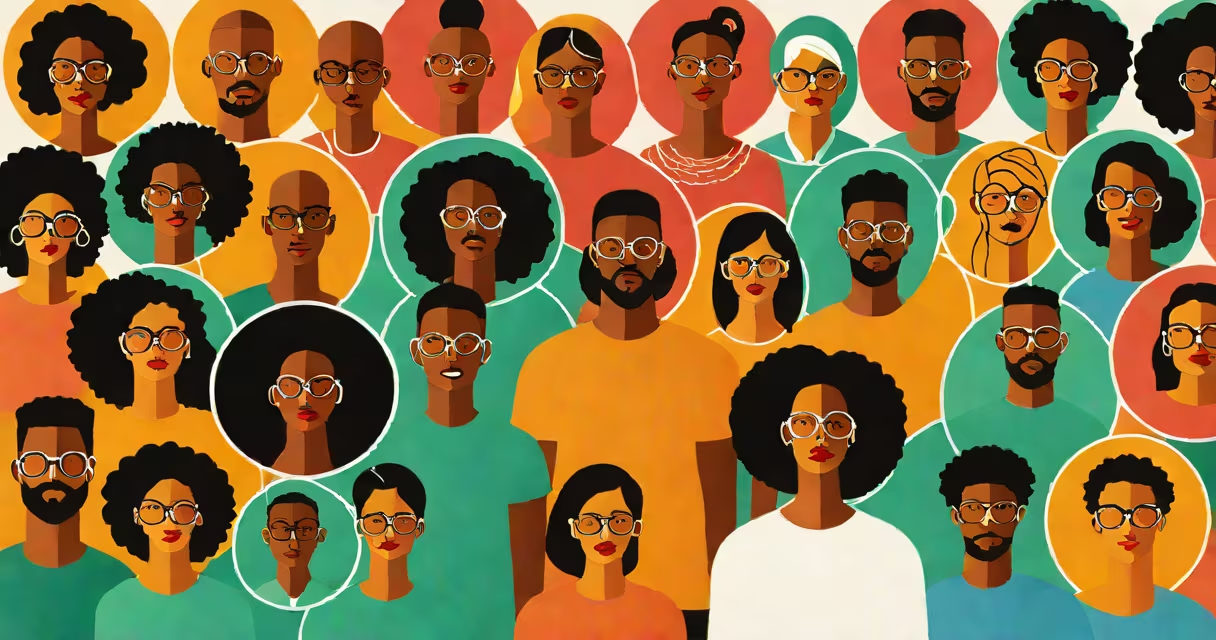
Intersectionality is the structure that reveals how systems of oppression-like racism, sexism, classism, and ableism-interact and compound rather than operate separately. It shows that people's lived experiences aren't shaped by one identity alone, but by the layered effects of multiple identities. This concept emerged from Black feminist thought and remains essential for understanding structural inequity.
When someone faces discrimination, it rarely stems from just one factor. A Black woman may experience both racial bias and gender-based marginalization. These forms of oppression don't simply add up-they intersect, creating distinct patterns of disadvantage. For example, a Latina woman working in tech might face exclusion because she's seen as "not fitting the mold" due to her ethnicity. Her experience isn't just about being a woman or being Latina-it's about being both simultaneously.
The term was coined by legal scholar Kimberlé Crenshaw in 1989 during her analysis of employment discrimination cases involving Black women. She showed that courts often failed to recognize their unique legal challenges because they treated race and gender as separate issues. The result? Legal protections designed for either Black people or women didn't apply to those who belonged to both groups. This gap in recognition became a foundational insight for intersectionality.
Think of identity as a series of overlapping filters. Each filter represents a social category-race, gender, sexuality, disability status, socioeconomic class, nationality, religion. When these filters intersect, they produce a specific outcome. For instance, a disabled LGBTQ+ person living in rural Appalachia faces barriers related to healthcare access, stigma around mental health, lack of inclusive public transportation, and limited visibility in policy discussions. Their situation cannot be reduced to any single factor.
Consider the U.S. maternal mortality rate. Black women are three times more likely to die from pregnancy-related causes than white women. This disparity isn't just about income or education-it reflects centuries of medical neglect, biased treatment, and systemic underfunding of care in Black communities. A white woman with similar income and education levels doesn't face the same risk. The difference lies in the intersection of race and gender within a healthcare system that historically devalues Black bodies.
Another example: In 2020, the U.S. Department of Education reported that students of color with disabilities were disproportionately suspended or expelled compared to their peers. The data shows that Black students with disabilities were nearly twice as likely to be suspended as white students with disabilities. This outcome results from the convergence of racial bias, ableist assumptions, and school discipline policies that fail to account for cultural context or neurodiversity.
While intersectionality applies to all combinations of identity, certain intersections have been studied extensively due to their documented impact on equity. Below is a breakdown of common overlapping categories and their documented consequences:
| Identity Combination | Key Challenge | Documented Outcome |
|---|---|---|
| Black woman | Healthcare bias | Higher rates of maternal death; less likely to be believed in pain reports |
| Disabled LGBTQ+ person | Access to affirming services | 1 in 3 report being denied care due to identity |
| Low-income immigrant | Legal and language barriers | Children in this group are 40% less likely to receive early childhood interventions |
| Trans man of color | Violence and policing | Black transgender men are 2.6x more likely to experience violence than white trans men |
These numbers illustrate that no single identity operates in isolation. Policies, institutions, and even personal biases reflect this complexity. Ignoring intersectionality leads to flawed solutions-such as programs that claim to support "women" but exclude women of color, or anti-poverty initiatives that assume all poor people face the same obstacles.
Intersectionality is frequently misunderstood as a call for division or identity competition. That's incorrect. It's not about ranking suffering or claiming which group is most oppressed. Instead, it's a tool for mapping how privilege and disadvantage interact across systems.
One myth is that intersectionality only applies to people of color. In reality, it applies to everyone. A white gay man may face homophobia, but he also benefits from racial privilege. His experience differs from that of a Black gay man, who navigates both racial and sexual marginalization. Understanding this difference prevents oversimplification in advocacy and policymaking.
A key correction: Intersectionality is not synonymous with "identity politics." While both involve identity, intersectionality focuses on structural analysis-the way systems reinforce inequalities through overlapping categories. Identity politics, by contrast, often refers to political movements centered on group identity, sometimes without examining how those identities intersect. The two concepts are related but not interchangeable.
I've observed this principle in action while volunteering with a community health clinic serving low-income families. We noticed that appointments for mothers with young children were consistently missed. Initial efforts to improve attendance focused on transportation and childcare. But when we asked patients directly, many said they feared judgment from staff about their parenting choices-especially if they were single mothers or had experienced domestic abuse.
One mother, a Somali refugee, shared that she avoided prenatal visits because she felt ashamed about her inability to speak English well and worried staff would see her as irresponsible. Her experience wasn't just about language or poverty-it was shaped by immigration status, cultural stigma, and fear of being labeled unfit. Addressing only one layer wouldn't have helped. Only by acknowledging the full picture did we design outreach that included multilingual peer advocates and trauma-informed training for providers.
Without intersectionality, solutions remain incomplete. A housing program targeting "low-income renters" might overlook the needs of disabled tenants who require accessible units. An anti-racism workshop that excludes discussions of gender or class fails to address the full scope of harm. True equity requires seeing the whole person-not just one part of them.
Understanding what is intersectionality in simple terms means recognizing that no one lives in a vacuum. Your race, gender, class, ability, sexuality, and geography don't exist independently-they shape your opportunities, risks, and daily realities. This structure doesn't divide people. It connects them by revealing shared struggles and hidden disparities.